
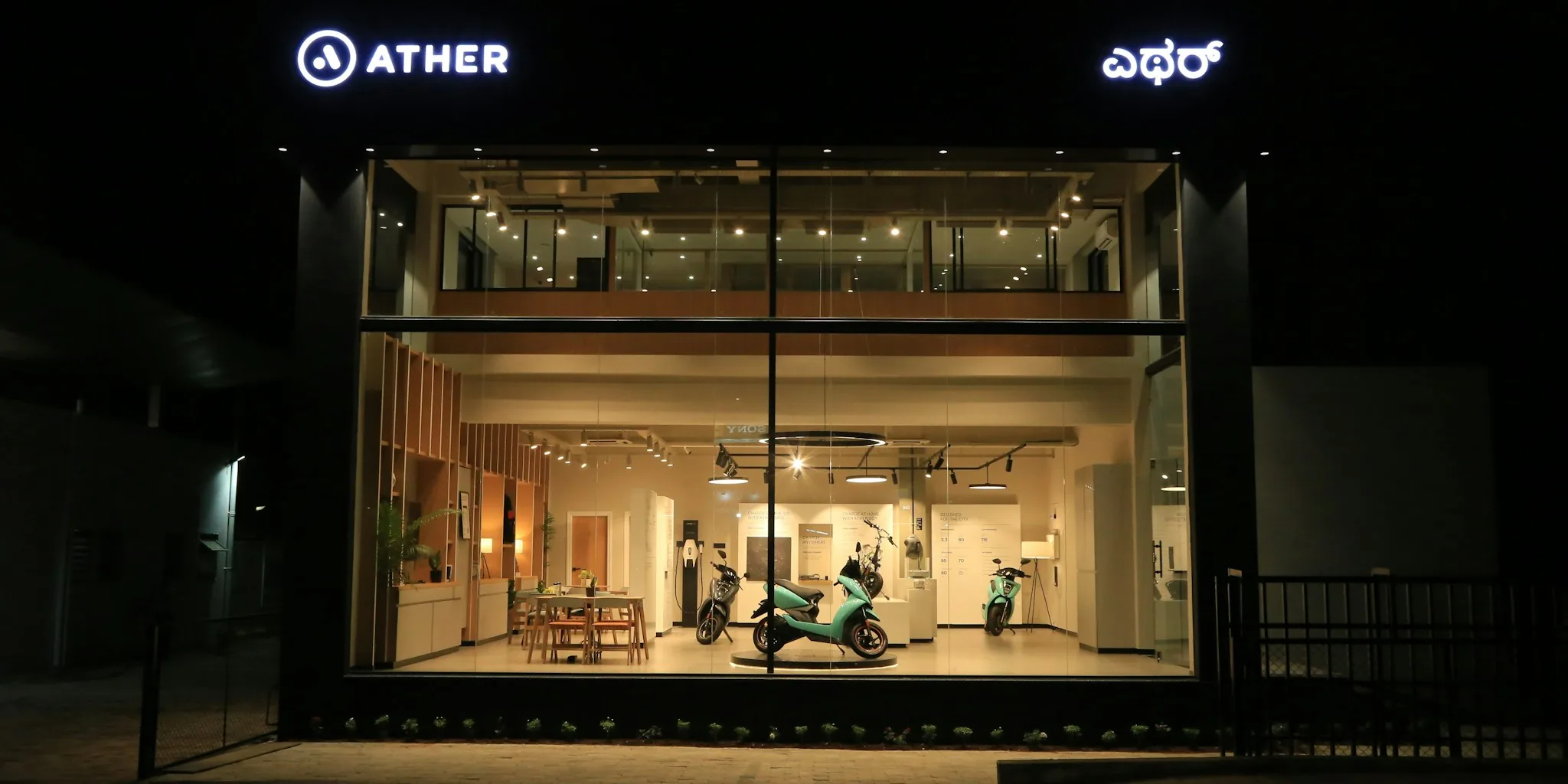

A Danish coffee roasting equipment manufacturer has recently established its first permanent regional headquarters in San Salvador, El Salvador, marking a significant shift in how specialty coffee equipment reaches Latin American consumers and roasters. This move signals growing accessibility for buyers across the region who want direct access to professional-grade roasting machines and expert support without long delays or language barriers.
Why Latin America Matters for Coffee Equipment
The decision to plant roots in El Salvador reflects a broader industry trend toward getting closer to where coffee originates. Latin America produces some of the world’s finest coffee beans, yet equipment manufacturers have traditionally kept their operations far removed from these coffee-growing regions. By establishing a permanent showroom and service center in San Salvador’s San Benito design district, this company is changing that dynamic.
The new 1,100-square-foot facility showcases four roasting machines, a dedicated sensory lab for evaluating coffee quality, and a filter coffee bar equipped with professional-grade grinding equipment. This hands-on environment allows prospective buyers to see equipment in action before committing to a purchase, something that was previously difficult for Latin American customers without traveling internationally or relying on remote demonstrations.
What This Means for Local Coffee Professionals
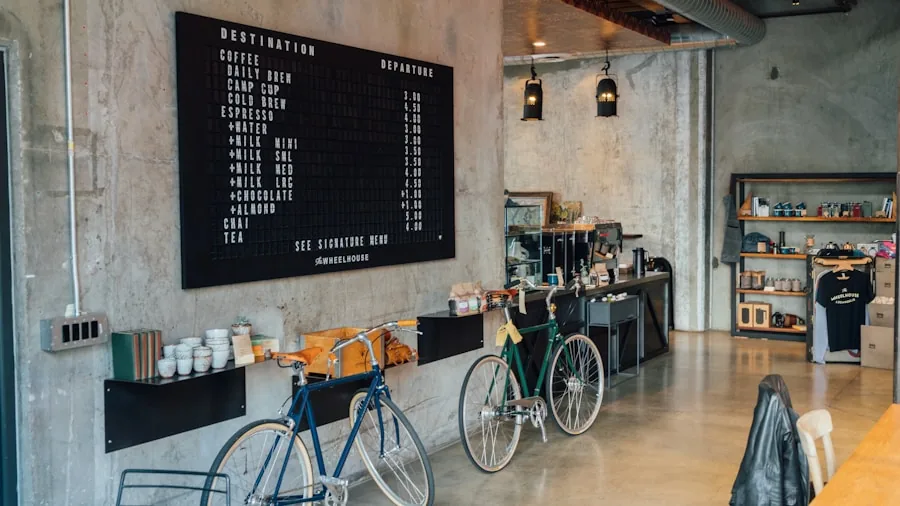
The showroom staff operates entirely in Spanish and provides sales, maintenance, education, and technical support across Latin America. This is a game-changer for small roasters, specialty coffee shop owners, and serious home coffee enthusiasts who previously struggled to get timely support for their equipment or had to navigate language barriers with distant distributors.
The facility specializes in compact electric roasting machines designed for small-batch operations and high-end home use. Whether you’re operating a micro-roastery or pursuing coffee roasting as a serious hobby, having local expertise and equipment demonstrations available removes significant friction from the buying process. You can visit in person, ask questions in your native language, and receive ongoing training and troubleshooting support from people who understand your regional coffee culture and needs.
Expanded Equipment Access and Training Programs
Beyond the showroom itself, the company plans to add more third-party equipment to the space over time, potentially creating a one-stop resource for coffee professionals in the region. The leadership team has already been organizing regional events and partnerships across Panama, Guatemala, Ecuador and other countries, and this permanent base will amplify those efforts.
If you’re serious about coffee brewing or roasting, having access to the best coffee equipment is crucial, but so is having expert guidance. The new Latin America operation provides both. Training programs, technical workshops, and direct access to equipment engineers give local professionals tools they need to improve their craft and troubleshoot problems quickly.
Timing and Soft Launch Details
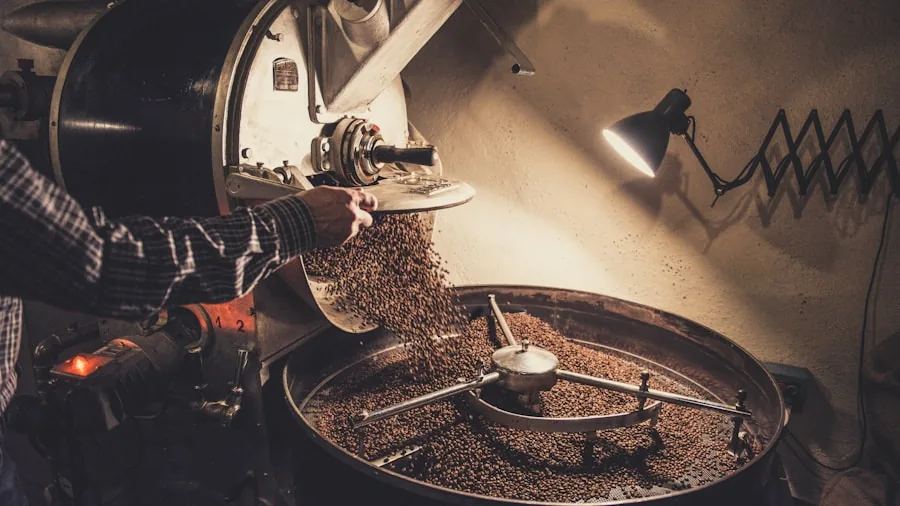
The facility officially soft-launched on July 27 for customer pickups and facility tours. Regular walk-in hours began the week of August 10, and a formal launch event for regional distributors, coffee ambassadors, media representatives, and diplomatic officials took place on August 14. This staged rollout suggests the company is building momentum thoughtfully rather than rushing to market.
The leadership structure matters too. A Salvadoran coffee industry veteran with experience at respected international coffee organizations now leads the Latin America division, bringing both credibility and insider knowledge of the regional market. This isn’t a distant corporate outpost; it’s staffed by people with deep roots in Latin American coffee culture.
Practical Implications for Coffee Buyers
Whether you’re looking at quality home brewing equipment or operating a commercial roastery, this development improves your options. Faster equipment delivery, local service, training in your language, and the ability to physically inspect machines before purchase all reduce risk and improve confidence in your equipment investment.
For specialty coffee shops and micro-roasteries, the availability of small-batch roasting equipment with direct manufacturer support could accelerate growth. For home enthusiasts, having a regional hub means less waiting for parts, repairs, and technical advice. The showroom’s sensory lab also provides an educational resource that helps coffee professionals refine their quality control processes.
This regional expansion reflects the global specialty coffee industry’s evolution toward building deeper relationships with coffee origins and the professionals who work there. For anyone serious about coffee in Latin America, having a manufacturer with genuine commitment to the region and direct customer support represents a genuine improvement in market conditions.



Write Your Review
No reviews yet. Be the first to share your experience!