
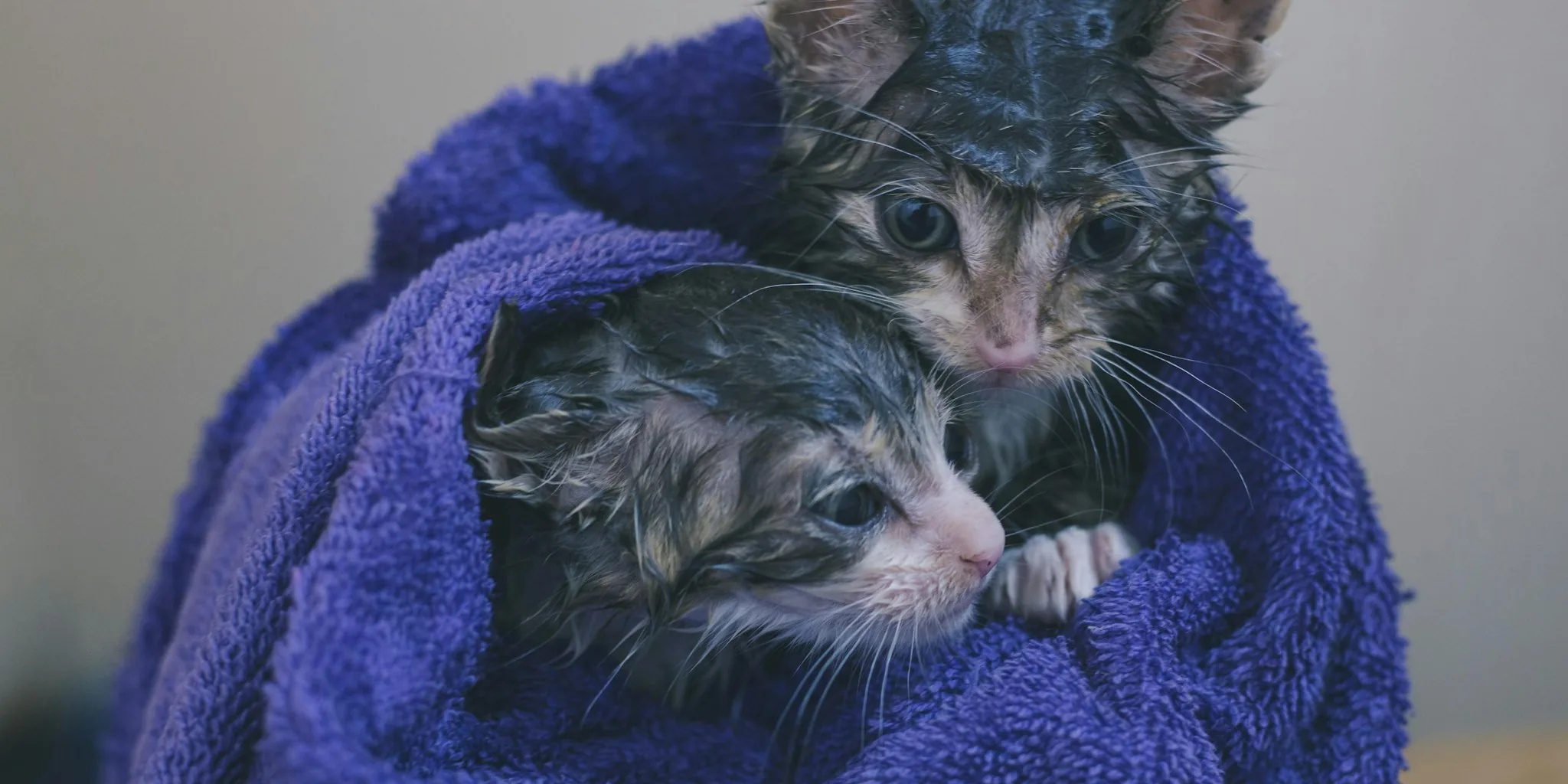

A critical shortage in resources for the youngest shelter residents is now driving sweeping changes across animal rescue facilities nationwide. More than 233,000 kittens die in shelters annually, with those under eight weeks old facing the highest risk. Unlike adult cats, newborn kittens require overnight feedings, specialized equipment, and round-the-clock medical attention that most traditional shelters were never designed to provide. This infrastructure gap has left countless vulnerable lives at risk, but a growing movement is now addressing these systemic failures head-on.
The Hidden Crisis Behind Shelter Statistics
The numbers tell a sobering story. Approximately 65 percent of all cats who perish in shelters are kittens, yet this tragic outcome rarely stems from a lack of compassion. Instead, shelters face genuine capacity challenges. Facilities built decades ago to house adult animals simply lack the specialized nurseries, feeding schedules, and veterinary infrastructure required for neonatal care. When a kitten arrives at closing time, euthanasia often becomes the only humane option available when no foster network exists to bridge the gap.
For potential adopters, understanding this reality has become increasingly important. The animals you bring home today are the direct beneficiaries of organizations working to transform how shelters operate. A national nonprofit founded in 2016 has now distributed over four million dollars in grants across more than 150 partner shelters and rescues, touching the lives of 250,000 kittens through targeted infrastructure investments.
How Grant Programs Are Rebuilding Shelter Systems
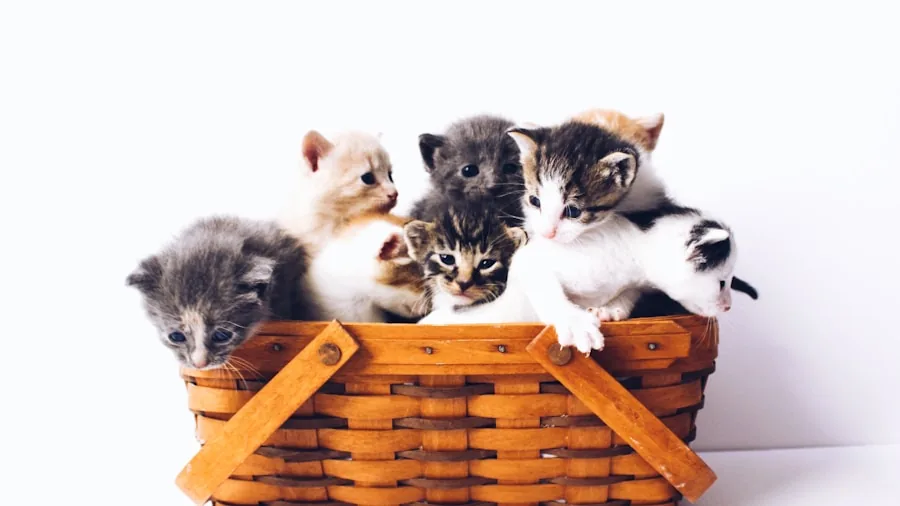
The transformation begins with funding that allows shelters to hire specialized staff and build dedicated kitten care spaces. In Kansas, one facility used a $40,000 grant to create the state’s first dedicated Kitten Care Attendant position. This role proved so successful that it evolved into an innovative partnership with a women’s correctional facility, where incarcerated women now participate in raising vulnerable kittens. This employment opportunity benefits both the animals and the people involved.
Mississippi’s Southern Pines Animal Shelter invested an $18,000 grant into a dedicated nursery space equipped with medical incubators and training areas. Within one year, the facility successfully cared for 277 kittens and achieved a 94.2 percent survival rate, a dramatic improvement from prior years in the same building. These concrete results demonstrate how strategic investments in physical infrastructure directly save lives.
Medical grants have also transformed outcomes for kittens with life-threatening conditions. Surgery for chest deformities, cleft palate repairs, and other critical procedures can now proceed even when individual shelters lack surgical funding. One notable case involved a kitten named Treble who arrived with a cleft palate that prevented normal nursing. Medical grants, combined with specialized feeding knowledge developed through previous cases, allowed veterinarians to save his life. Learning from individual cases then becomes institutional knowledge shared across the entire rescue network.
Research Filling Critical Knowledge Gaps
Beyond immediate care, research partnerships with universities like UC Davis are now addressing fundamental gaps in veterinary knowledge about kittens. The species remains dramatically underrepresented in medical literature, leaving caregivers without evidence-based guidelines for treatment decisions. By conducting ethical pediatric studies, rescue organizations are building the scientific foundation that improves standard care everywhere.
When you adopt a kitten, you benefit from decades of accumulated knowledge about proper care, nutrition, and medical protocols developed through this kind of rigorous research and real-world application. For prospective adopters, understanding special needs kitten adoption has become more practical thanks to shared expertise across the rescue community.
What Adopters Should Know Now
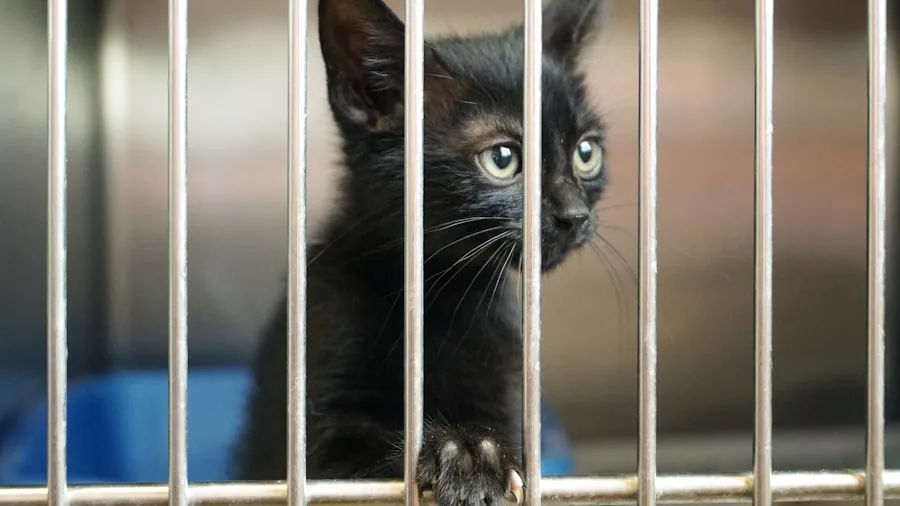
As a consumer, you’re entering a landscape where adoption practices have genuinely improved. Shelters now more frequently have proper weaning facilities, medical histories, and behavioral assessments for young cats. If you’re considering bringing home a kitten, expect shelters to be better equipped with health records and vaccination documentation than they were just a decade ago.
The infrastructure improvements also mean kittens spend less time in emergency situations. More facilities can accommodate bottle feeding, provide incubation for premature animals, and offer continuity of care rather than transferring animals between multiple locations. This translates to healthier, better-adjusted kittens entering homes.
For those adopting special-needs kittens, rescue organizations can now provide much better preparation and guidance. Whether your new family member requires appropriate litter box solutions or ongoing medical care, shelters have developed expertise in matching animals with equipped households and providing adoption support.
Supporting the Movement Forward
Understanding the scale of this transformation reveals why adoption from shelter partners matters. When you adopt a kitten from a facility participating in these collaborative networks, you’re supporting a model that saves more lives each year. The system is still underfunded and under-resourced, but momentum continues building as more shelters implement proven practices and join regional partnerships focused on neonatal care.
These changes represent not just sentiment but structural improvement, hardware investment, and systematic knowledge sharing. Every kitten adopted from these reformed facilities becomes a success story that demonstrates the model works, encouraging additional funding and expansion.





Write Your Review
No reviews yet. Be the first to share your experience!