


The coffee industry is undergoing significant transformations that could directly affect what you buy, how much you pay, and the sustainability of your favorite brews. From stricter pesticide regulations in Europe to major chain expansions across the United States, recent developments signal a shifting landscape for coffee consumers.
Stricter Pesticide Rules May Impact Coffee Prices and Availability
European regulators are taking a hard look at pesticide residues in imported coffee. The European Commission Joint Research Centre recently completed a study modeling the potential economic effects of tightening residue limits for 18 hazardous pesticides that are banned within the EU but sometimes found on imported goods. This analysis covers 235 different commodities and includes coffee from 86 exporting countries worldwide.
The implications are real. Tighter pesticide restrictions have already raised concerns among Vietnamese coffee exporters, one of the world’s largest suppliers. If Europe implements stricter rules, costs for importing coffee could rise, potentially passing through to consumer prices. Additionally, some coffee varieties or origins might face trade barriers if they cannot meet new residue standards. For U.S. shoppers, this matters because international trade dynamics can influence both availability and pricing of specialty and imported coffees on domestic shelves.
Packaging Requirements Add New Sustainability Standards
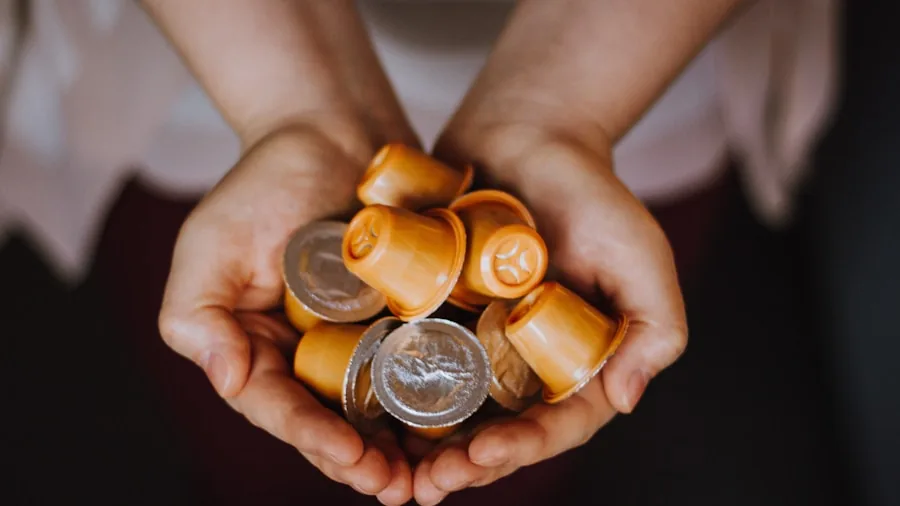
Starting August 12, the European Union’s Packaging and Packaging Waste Regulation officially began applying to single-use coffee capsules. This means capsules are now legally classified as packaging and subject to waste-responsibility requirements. By 2030, all packaging must be recyclable, and by 2035, it must be recycled at scale.
While this regulation applies in Europe, it signals a global trend toward sustainability. Major coffee capsule manufacturers and retailers will likely develop recyclable or compostable alternatives to meet these deadlines. American consumers who use coffee pods should watch for similar sustainability initiatives from manufacturers, and consider exploring alternative brewing methods that generate less packaging waste.
International Coffee Chains Expanding into U.S. Markets
London-based coffee chain WatchHouse is aggressively expanding its U.S. footprint. The company just opened its fourth Manhattan location and, according to reports, plans to enter Los Angeles by 2027. WatchHouse is also scouting sites in Austin, Chicago, and Miami. The expansion is backed by a $14.8 million Series B funding round announced earlier this year, signaling investor confidence in specialty coffee retail.
This expansion matters to shoppers because it increases competition among specialty coffee retailers, which typically drives innovation in product quality and customer service. More options in major U.S. cities mean consumers have greater choice and may see improved coffee sourcing, brewing techniques, and cafe experiences.
Coffee Equipment and Functional Beverages See Growth
The coffee market continues to diversify beyond traditional brewed coffee. Westrock Coffee Company reported strong growth at its Conway, Arkansas ready-to-drink facility, which opened in 2024, while company-wide sales rose 8.8% to $305.7 million. Meanwhile, functional coffee brands are attracting significant investment. South Carolina-based Javvy, which makes protein-infused coffee beverages, is reportedly exploring a sale that could value the company at approximately $1 billion.
For consumers, this growth means more innovation in how coffee is consumed. Ready-to-drink options continue to improve in quality, and functional coffee beverages targeting fitness enthusiasts represent a growing segment. If you’re looking to explore different brewing styles or premium equipment, single-serve coffee makers offer convenient options for households wanting variety without commitment to large quantities.
Supply Chain Consolidation and Market Restructuring
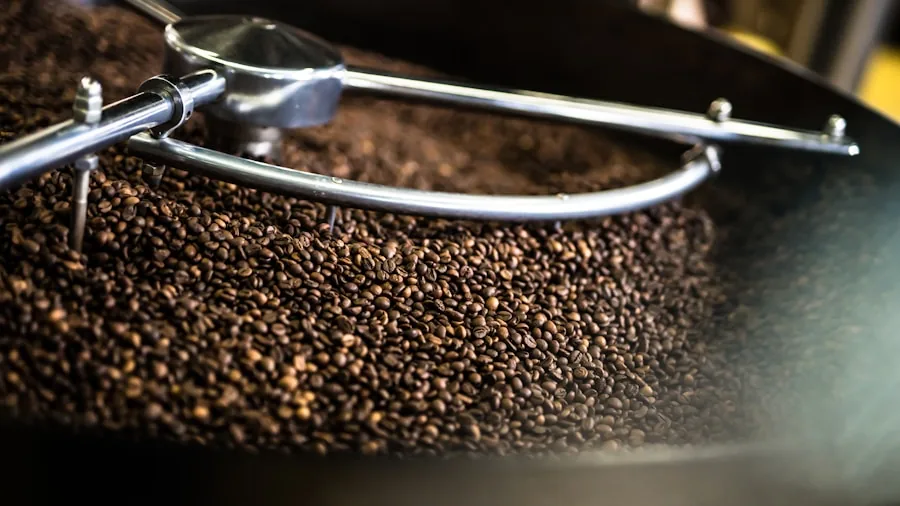
Financial services company StoneX reported strong growth partly driven by expansion into physical coffee trading. The company acquired Mercon Specialty and launched StoneX Specialty Coffee in 2024, contributing to a 47% increase in quarterly revenue. This consolidation suggests that the coffee supply chain is becoming more integrated, with financial and logistics companies playing larger roles in bringing coffee from farm to cup.
These market shifts can benefit consumers by improving supply chain efficiency and potentially stabilizing prices through better inventory management and hedging. However, consolidation can also reduce the number of independent importers and traders, which may eventually affect the diversity of available origins.
What Shoppers Should Do Now
Stay informed about where your coffee originates. With changing regulations and expanding chains, knowing whether your favorite coffee meets evolving sustainability standards or comes from regions affected by policy changes helps you make intentional purchasing decisions. Explore quality brewing equipment that suits your preferences, as better equipment often provides a better cup regardless of market conditions. Finally, consider supporting specialty roasters and fair-trade certified options to maintain diversity in the coffee supply chain during this period of consolidation and change.





Write Your Review
No reviews yet. Be the first to share your experience!