

What Happened
In 2024, a 24-year-old archaeology enthusiast named George Bird made a significant discovery in Derbyshire, England. While exploring his local woods near a known standing stone called Farley Moor, Bird suspected there was more to the site than met the eye. His curiosity led him to document what he observed and reach out to experts at Forestry England and the television program Time Team. The partnership resulted in an excavation that confirmed his hunch and uncovered something extraordinary: a 3,700-year-old ritual site that extends far beyond the single standing stone previously known to exist.
The archaeological team’s work revealed that five additional stones once stood in the area, forming an oval shape measuring approximately 82 feet by 75 feet. Using carbon dating analysis, researchers determined the site dates to around 1,700 B.C., placing it firmly in the Bronze Age. The excavation also identified a ceremonial platform that predates the standing stone itself, suggesting this location held sacred significance for hundreds of years. Most notably, the platform was positioned directly above a natural spring that feeds into Bentley Brook and ultimately the Derwent River, indicating that water played a central role in Bronze Age ritual practices.
Why This Matters for Modern Shoppers
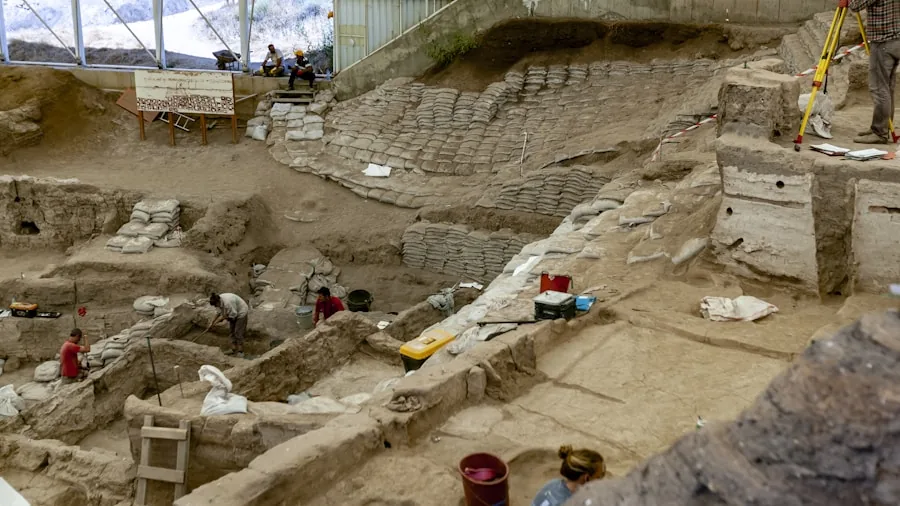
While this discovery primarily interests history buffs and archaeology professionals, it carries relevant implications for homeowners and DIY enthusiasts exploring historic preservation and land management. Understanding how ancient communities revered and protected natural features like springs and water sources can inform modern sustainable practices. For those managing property with historical significance or undertaking renovation projects, this find demonstrates the value of thorough site investigation before beginning any work.
The discovery also highlights the importance of community involvement in preserving national heritage. Bird’s persistence in asking questions and documenting his observations proved instrumental. Similarly, when undertaking home improvement or restoration projects, careful observation and professional consultation can prevent costly mistakes or inadvertent damage to historically or archaeologically significant areas. If you’re planning work with circular saws for demolition or cutting, ensuring your property doesn’t contain hidden historical value is a responsible first step.
What the Experts Found
Lawrence Shaw, Forestry England’s lead historic environment advisor, explained that the team uncovered evidence of a far more complex ceremonial landscape than previously understood. The stone platform predates the standing stone, suggesting continuous ritual use spanning centuries. The deliberate placement above a natural spring reveals how Bronze Age communities valued water not just for survival but for ceremonial purposes.
Derek Pitman, an associate professor of archaeology and anthropology at Bournemouth University, noted that this discovery showcases ritual activity extending well beyond famous sites like Stonehenge. The scale of activity in this particular landscape suggests Bronze Age communities invested significantly in ceremonial practices throughout the region. The find also implies numerous undiscovered archaeological sites remain hidden within England’s forests, waiting for curious observers to notice them.
What Comes Next
Forestry England has committed to protecting the Farley Moor site for future generations. The archaeological team plans to return in summer months for additional investigations, including deeper examination of the newly identified stones. Researchers hope to determine exactly when the site was first created and to measure the full extent of the ritual complex.
Bird remained involved throughout the excavation process, working alongside professional archaeologists. When undertaking any project involving landscape work, reciprocating saws for demolition and cutting may seem necessary, but professional consultation should always precede tool deployment. This principle applies whether you’re clearing land, renovating a structure, or conducting any significant property work. The Farley Moor discovery reinforces how initial research and expert guidance can reveal hidden value and prevent irreversible damage.
For homeowners in areas with known historical significance, the lesson is clear: consult local historical societies and archaeological resources before starting major projects. If your property contains natural water features or unusual stone formations, professional assessment could uncover important heritage value. Whether you’re working on detailed cutting projects with jigsaws or broader land management, informed decision-making protects both your investment and our shared historical legacy.
Bird’s discovery demonstrates that careful observation and willingness to question assumptions can lead to extraordinary findings. For modern consumers and homeowners, this translates to the value of thorough investigation, professional consultation, and respectful stewardship of our landscapes, whether they contain ancient secrets or not.





Write Your Review
No reviews yet. Be the first to share your experience!