


The audio accessory market is undergoing a quiet transformation. While traditional headphones and earbuds have dominated personal audio for decades, a new category is emerging that could fundamentally change how consumers listen to music, take calls, and stay connected. AI-enabled smart glasses with open-ear speakers are beginning to challenge the headphones industry’s assumptions about what audio devices should be and how they should work.
Understanding the New Contender
Recent developments in AI glasses have introduced sophisticated open-ear speaker systems built directly into eyewear frames. These devices allow audio to be directed toward the user’s ears without covering them, creating a listening experience fundamentally different from traditional headphones. Unlike their camera-equipped predecessors that raised privacy concerns, newer models prioritize audio functionality while eliminating recording capabilities, making them more palatable to privacy-conscious consumers and establishments alike.
The core proposition is straightforward: what if your everyday glasses could also serve as your audio device? For people who already wear corrective lenses or sunglasses, this consolidation eliminates the need to carry a separate gadget. The glasses simply remain on your face, available the moment you need audio functionality.
Sound Quality: Managing Realistic Expectations

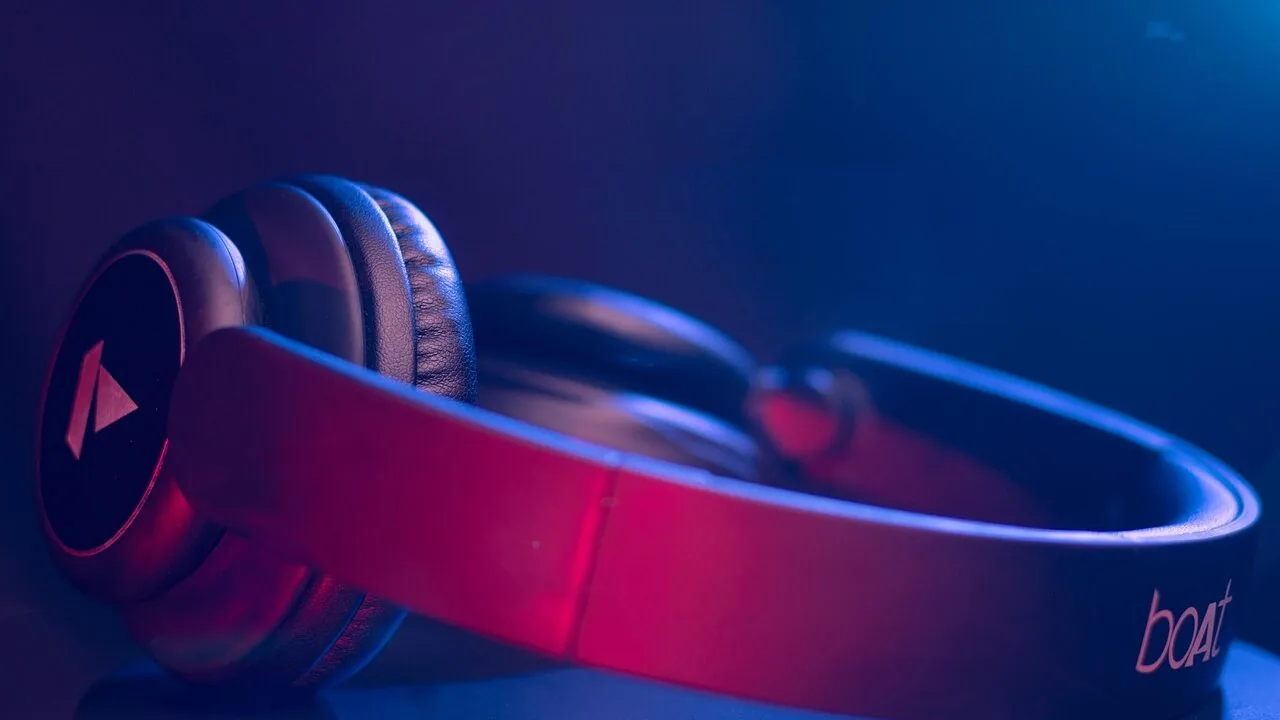
Let’s address the elephant in the room. Two miniature speakers embedded in glasses frames cannot compete with dedicated audio equipment. If pristine sound quality is your primary concern, AI smart glasses fall short compared to premium over-ear options or high-performance gaming headphones. The physics are simple: tiny drivers in glasses cannot match the acoustic engineering of devices designed specifically for audio reproduction.
However, raw audio quality tells only part of the story for many shoppers. The real value proposition centers on practical lifestyle advantages rather than technical specifications.
The Awareness Advantage
Traditional headphones, especially quality models, intentionally isolate you from ambient sound. This creates an immersive listening experience but comes at a cost: you become oblivious to your surroundings. You might miss a friend calling your name, fail to notice approaching traffic, or be unaware of other audio cues in your environment.
Smart glasses with open-ear speakers deliver audio while keeping your ears completely free. This means you can listen to a podcast or music while remaining aware of what’s happening around you. You can hold a conversation with someone without removing your glasses or pausing playback. A simple gesture adjusts volume, allowing seamless transitions between personal listening and social interaction. This mirrors the experience of listening to car audio or background music in a restaurant, familiar scenarios most shoppers navigate daily.
For commuters, travelers, and anyone concerned with situational awareness, this advantage cannot be overstated. Even premium noise-canceling headphones fundamentally disconnect you from your environment, which some users view as a liability rather than a benefit.
The Phone Call Revolution
One area where smart glasses shine is telephone communication. Holding a phone to your ear for extended periods causes fatigue and neck strain. Traditional headphones eliminate the holding problem but introduce new issues: over-ear models generate heat buildup, while earbuds create acoustic isolation that feels claustrophobic during long conversations.
Smart glasses eliminate all these problems simultaneously. You can conduct lengthy calls while walking, watching television, or doing household tasks. Your hands remain free, your ears stay open to your environment, and there’s minimal heat generation. Privacy is maintained adequately in most real-world scenarios; sound bleed is noticeable only in extremely quiet indoor settings with someone sitting directly beside you.
The Always-On Assistant Factor

Most consumers don’t carry headphones constantly. They put them on when needed and remove them afterward. Smart glasses, by contrast, stay on your face all day, ready to deliver alerts, read incoming messages, and facilitate quick interactions with AI assistants. This means notifications reach you immediately without requiring you to retrieve and activate a separate device.
Practically speaking, this reduces phone dependency. Instead of pulling out your device to check messages and subsequently falling into extended scrolling sessions, your glasses can relay information hands-free. For shoppers seeking better digital balance, this convenience factor represents genuine lifestyle improvement.
What This Means for Your Next Purchase
The emergence of smart glasses with quality audio doesn’t signal the immediate end of the headphones market. Traditional audio devices excel at delivering superior sound quality and remain the clear choice for audiophiles and serious music listeners. However, the smart glasses category offers compelling advantages for a growing segment of consumers: those who prioritize convenience, environmental awareness, and practical functionality over raw audio performance.
If you spend your day moving between multiple locations, value situational awareness, take frequent phone calls, or struggle with device clutter, exploring this emerging category makes sense. If you’re primarily concerned with audio fidelity, traditional headphones remain your best option. Most consumers likely benefit from owning both, using them for different situations and preferences.





Write Your Review
No reviews yet. Be the first to share your experience!