
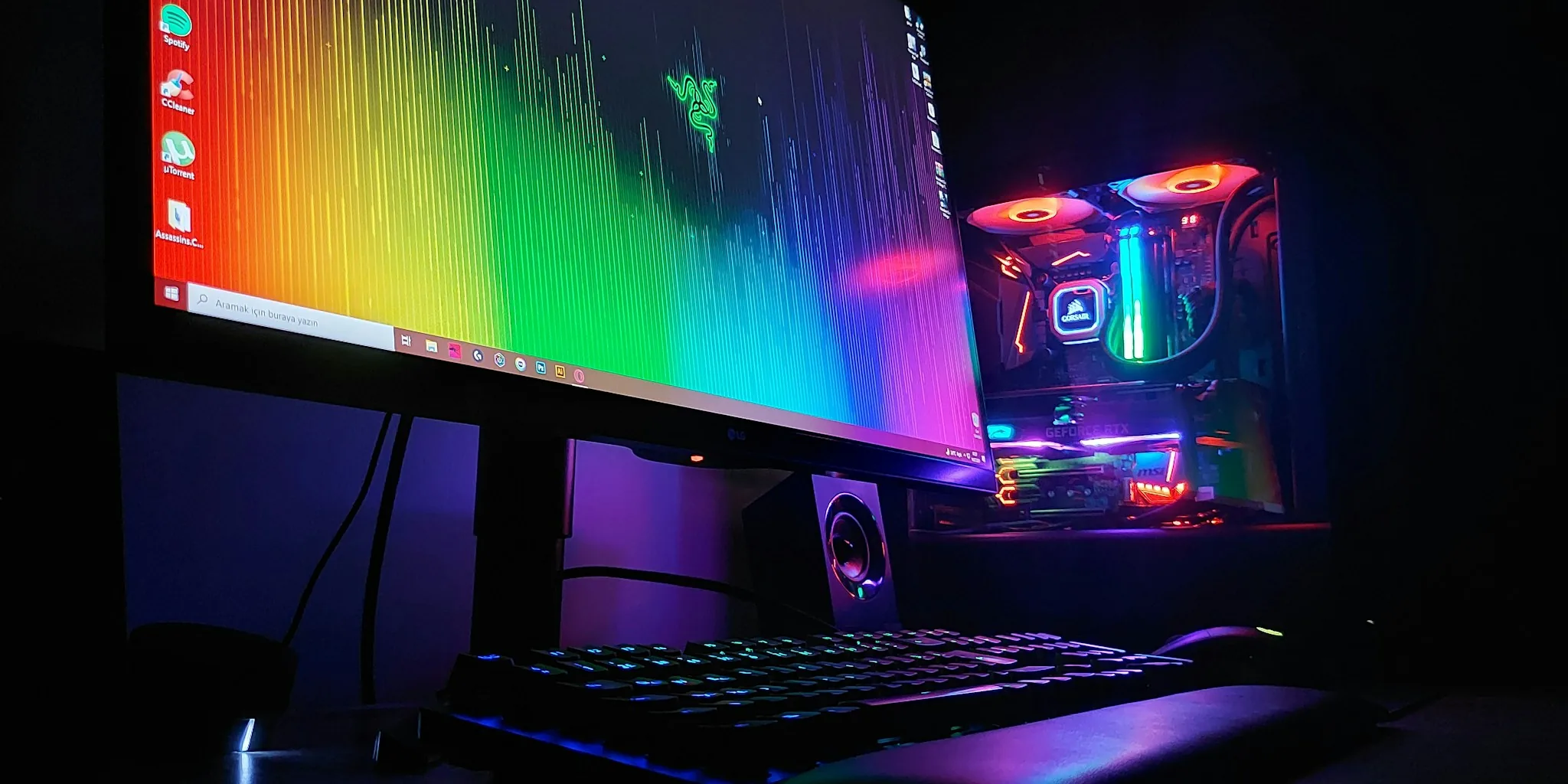

A major shift in display technology is coming to gaming monitors, laptops, and productivity screens. The newly introduced DisplayHDR True Black 1400 standard promises to redefine how bright and vivid your screen can get, and for the first time, OLED panels are competing directly with high-end mini-LED displays on pure brightness alone.
What DisplayHDR True Black 1400 Actually Means
DisplayHDR True Black 1400 is the latest certification tier from VESA, the video electronics standards body. Displays earning this certification reach peak brightness of 1,400 nits while maintaining full-screen brightness of 700 nits. To put that in perspective, most everyday gaming monitors hover between 250 and 400 nits, while average high-end models sit between 400 and 800 nits.
The real innovation here is the color contrast. All DisplayHDR True Black standards achieve a maximum black level of 0.0005 luminance, which means the deepest blacks physically possible from an emissive display. The 1400 standard delivers a 40 percent jump in peak and sustained brightness compared to the previous highest standard, making bright details like explosions, sun glare, and reflections appear dramatically more vivid and punchy without harsh dimming that older technology required.
Why OLED Finally Catches Up to Mini-LED

For years, OLED technology faced a trade-off: you could have the deepest, truest blacks because each pixel creates its own light and can turn completely off, or you could have maximum brightness with mini-LED backlighting. Buyers had to choose one or the other.
DisplayHDR True Black 1400 changes this equation, especially with tandem OLED technology backing the standard. Tandem OLED stacks two organic layers on top of each other, dramatically increasing peak brightness while reducing power consumption and extending the display’s lifespan. This technology solves the two biggest problems that plagued earlier high-brightness displays: excessive heat generation and heavy power draw.
The older DisplayHDR 1400 standard for mini-LED monitors consumed 75 watts at full brightness and generated tremendous heat, requiring active cooling systems and bulky chassis designs. By contrast, tandem OLED displays use roughly 40 percent less power and run four to eight degrees cooler than standard OLED panels, typically drawing between 30 and 55 watts depending on screen size.
The Price and Adoption Story
When the previous DisplayHDR 1400 standard arrived in 2019, adoption was limited by cost. Premium mini-LED gaming monitors with that certification often exceeded $2,500 to $3,000. A few budget models eventually emerged, with some OLED displays designed for both gaming and movie viewing reaching mainstream adoption at lower price points, yet the standard never became commonplace.
The shift to OLED technology has accelerated recently. Manufacturers increasingly prefer DisplayHDR True Black standards at lower certification tiers like 500 because OLED’s superior contrast justifies lower peak brightness numbers. You can purchase excellent DisplayHDR True Black 500 OLED gaming monitors for $500 to $700, compared to $2,000-plus for mini-LED alternatives with slightly higher brightness ratings.
DisplayHDR True Black 1400 has a genuine chance at wider adoption because tandem OLED manufacturing costs are dropping as more companies integrate the technology into monitors and OLED laptop displays. Cheaper production means manufacturers can finally offer premium brightness without charging premium prices.
Who Actually Needs This Brightness

A 1,400-nit peak brightness spec sounds impressive, but context matters. HDR highlights use peak brightness for accents, not constant illumination. Playing in a darker room requires far less brightness than gaming outdoors or near a sunny window, where you might use 15 to 50 percent of a monitor’s peak brightness capacity.
Content creators, video editors, and HDR-focused gamers will see the most tangible benefit. Advanced OLED panel technologies make premium displays more accessible than ever, but casual users may find little practical difference between a 700-nit and 1,400-nit display in everyday use.
What This Means for Your Next Monitor
DisplayHDR True Black 1400 represents a ceiling raise for display technology. The transition from mini-LED’s thermal and power challenges to tandem OLED’s efficiency removes the engineering barriers that previously kept brightness standards locked behind expensive, power-hungry equipment.
Over the coming years, expect more manufacturers to adopt this standard as production scales and costs normalize. Gaming monitors and laptop screens will become brighter, more vivid, and more power-efficient simultaneously. If you’re shopping for a high-end gaming display or productivity monitor, watch for DisplayHDR True Black 1400 certification as a genuine mark of next-generation performance, with realistic pricing that reflects the technology’s maturity rather than its novelty.






Write Your Review
No reviews yet. Be the first to share your experience!