

Mitsubishi Brings Back the Eclipse as a Modern Electric Vehicle
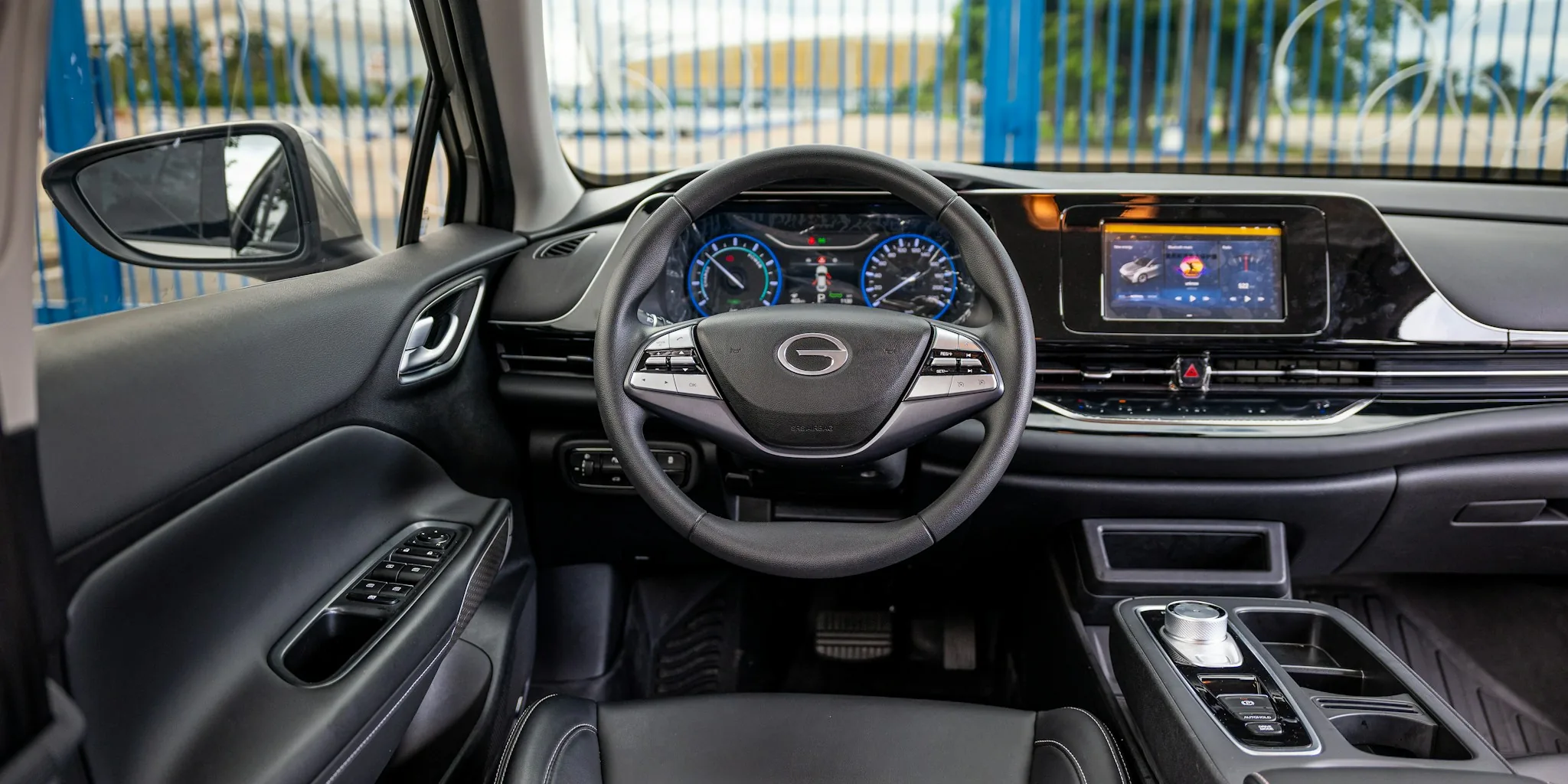
Mitsubishi has unveiled the interior design of the upcoming 2027 Eclipse Sportback EV, signaling the automaker’s continued commitment to the electric vehicle market. The prototype showcases a cabin that draws heavily from proven platform architecture, offering consumers a practical entry point into EV ownership with a familiar design language and straightforward technology integration.
Shared Platform Keeps Costs in Check
The interior architecture is based on existing EV underpinnings, which means Mitsubishi can deliver the vehicle at a competitive price point. Rather than reinventing the wheel, the company has borrowed extensively from successful models in its lineup, allowing for efficient manufacturing and lower development costs that should benefit shoppers at the dealership. This approach means the Eclipse Sportback EV inherits a proven foundation rather than experimental technology, potentially offering greater reliability for early adopters.
Dashboard and Control Layout
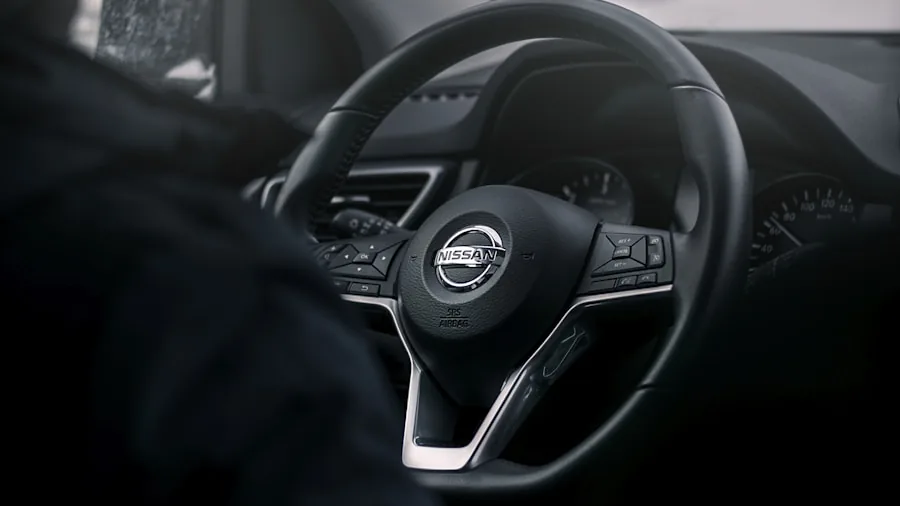
The cabin features a digital instrument cluster positioned alongside a central touchscreen display, creating a modern cockpit without overwhelming complexity. Mitsubishi has incorporated haptic touch buttons for climate control functions, eliminating the need for traditional rocker switches. This design choice reduces cabin clutter while maintaining intuitive operation once drivers become familiar with the interface. The steering wheel carries the three-diamond Mitsubishi badge prominently, establishing clear brand identity within the interior space.
Glass Roof and Ambient Features
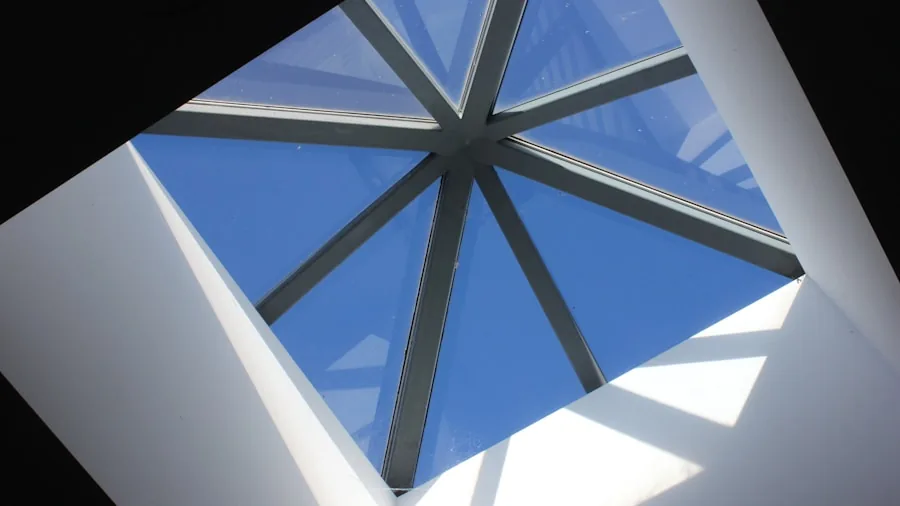
An available glass roof panel with electrochromic dimming technology provides buyers with an optional upgrade for enhanced interior ambiance. This smart glass can transition from clear to tinted, allowing occupants to control sunlight and heat penetration without deploying traditional shades. For shoppers prioritizing passenger comfort during long drives, this feature addresses one of the common complaints about EV cabins: excessive heat gain from large windows on sunny days.
What This Means for EV Shoppers
The Eclipse Sportback EV arrives at a pivotal moment in the EV transition, as consumers increasingly seek affordable electric options that don’t compromise on practicality. By leveraging an existing platform, Mitsubishi can offer a competitively priced alternative to purpose-built EV designs. The interior design signals that the automaker understands shoppers want straightforward technology and comfort features rather than experimental cabin concepts. For those considering the jump to electric, this prototype suggests Mitsubishi will deliver a vehicle that balances innovation with familiarity. If you’re exploring the EV landscape, consider checking out how other manufacturers are reimagining classic designs for the electric age, offering perspective on how heritage brands approach EV development.
Interior Comfort and Practicality
The cabin layout prioritizes driver and passenger comfort without unnecessary complexity. The haptic touch controls for climate functions mean fewer physical buttons to maintain and cleaner interior aesthetics. The digital instrument cluster provides customizable information displays, allowing drivers to prioritize the metrics most relevant to EV ownership, such as battery range and regenerative braking data. Storage solutions and material choices remain conventional, suggesting Mitsubishi expects buyers familiar with traditional car interiors to feel at home in the Eclipse Sportback EV.
Timeline and Availability
With the 2027 model year designation, this EV remains roughly two years away from showroom availability. The prototype stage allows Mitsubishi time to refine the interior based on consumer feedback and market conditions. By the time the Eclipse Sportback EV launches, the broader EV market landscape will have shifted substantially, potentially influencing final specifications and pricing. Early indications suggest Mitsubishi intends to position this model as an accessible gateway EV for shoppers hesitant about high entry prices. Those tracking EV announcements should also monitor how specialty automakers are pushing performance boundaries in parallel to understand the full spectrum of automotive innovation currently underway.
The Bottom Line for Buyers
The 2027 Eclipse Sportback EV interior design reflects a pragmatic approach to electrification. Mitsubishi is not attempting radical reinvention but rather delivering proven technology in a familiar package. For shoppers evaluating EV options, this strategy suggests a vehicle built on confidence in established systems rather than experimental platforms. The focus on practical controls, comfortable seating, and optional comfort upgrades indicates the target audience: practical buyers seeking reliable electrification without paying for cutting edge cabin concepts. The prototype interior suggests a vehicle worth monitoring as it approaches production, especially for those seeking a mainstream EV option from a trusted automotive name.




Write Your Review
No reviews yet. Be the first to share your experience!