
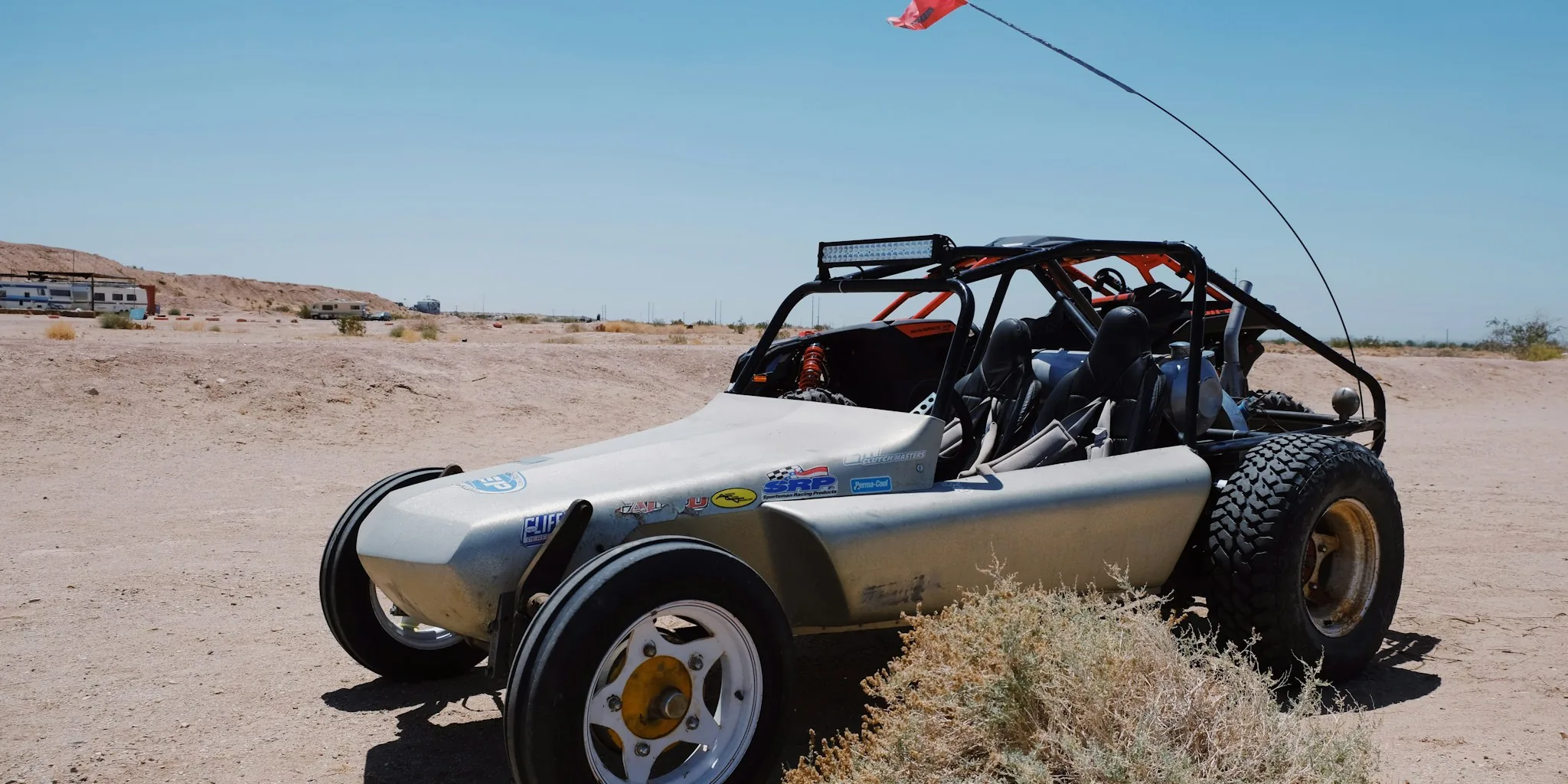

Meyers Manx has officially brought its electric buggy vision to life. The company unveiled the Manx 2.0, a street-legal electric vehicle that reimagines the iconic fiberglass buggy with modern battery power, at Monterey Car Week in August 2026. For decades, enthusiasts have built Manx vehicles from modified Volkswagen Beetle chassis. Now, the brand is targeting a different demographic: wealthy luxury buyers seeking a unique, eco-friendly driving experience.
What Makes the Electric Manx Different
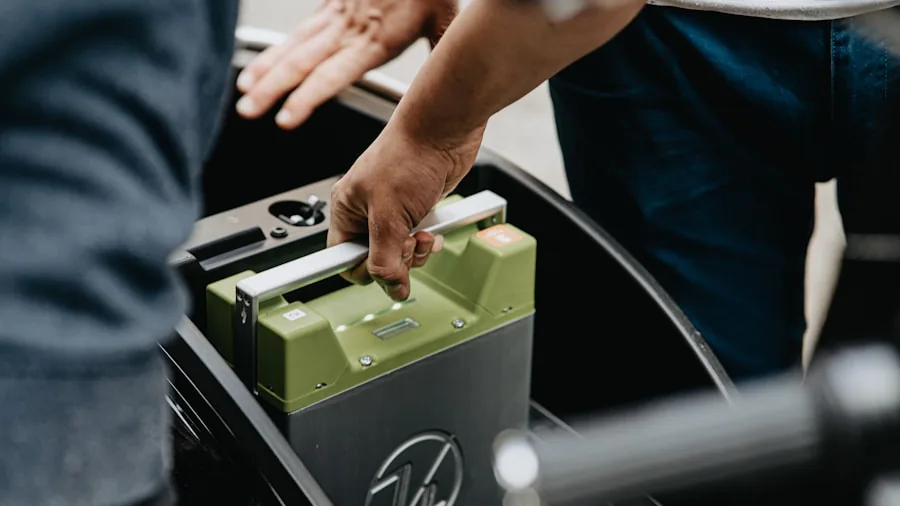
The Manx 2.0 retains the playful, instantly recognizable design that made the original famous, complete with fender-mounted headlights and a fiberglass shell available in eye-catching colorways. However, beneath that cheerful exterior lies a completely reimagined powertrain. Instead of a gasoline engine, the electric Manx pairs a single electric motor with a 45-kWh liquid-cooled battery to deliver 181 horsepower and 385 pound-feet of torque to the rear wheels.
This represents a significant power upgrade compared to traditional gasoline-powered Manx models, which typically featured modified Volkswagen four-cylinder engines or even radial engines. The electric motor delivers instant acceleration with no engine noise, a stark departure from the mechanical symphony vintage Manx owners have grown accustomed to hearing.
The estimated 100-mile range suits the intended use case: a leisurely runabout for resort driving, ranch work, or island exploration rather than a cross-country cruiser. With DC fast-charging compatibility and vehicle-to-load charging capabilities, owners can power tools or devices directly from the car while parked.
Structural Improvements and Handling
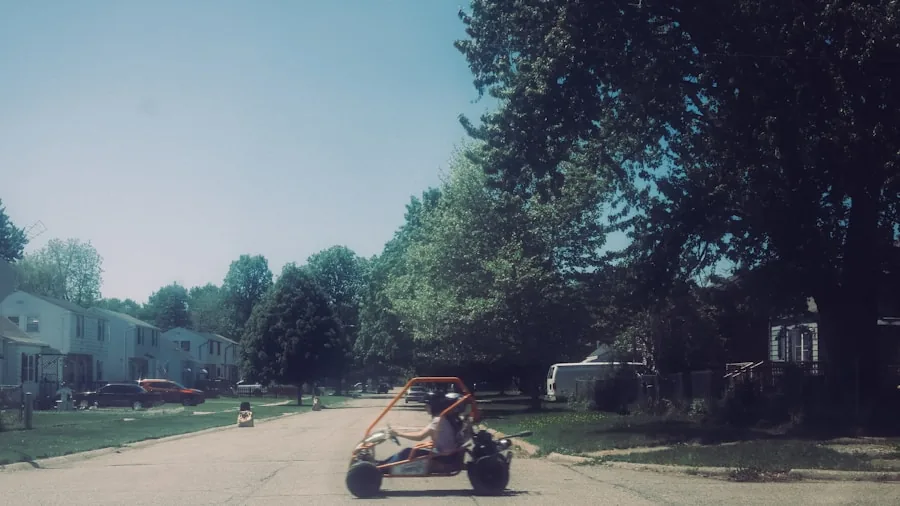
The Manx 2.0 rides on a completely new steel tube frame rather than a modified Beetle chassis, allowing engineers to incorporate modern suspension components. Bilstein coil-over dampers replace the traditional leaf springs, while an adjustable steering column and structural roll bar add practicality and safety. The vehicle measures slightly shorter and wider than the original, necessary modifications to accommodate the L-shaped battery pack mounted underneath.
Four-wheel disc brakes provide stopping power, though the production version features unassisted brakes without anti-lock systems, giving the driving experience a more mechanical feel. The unassisted steering, while pleasant at speed, requires extra effort during parking maneuvers.
Inside, the Manx 2.0 maintains the open-air two-seater layout with no doors. Drivers simply swing a leg over the side to climb into white bucket seats secured by modern three-point harnesses. A center-mounted touchscreen in cool blue glow controls key functions, and a sequential shifter handle manages the single-speed automatic transmission.
The Driving Experience
The transition from gasoline to electric power fundamentally changes the Manx experience. The whir of the electric motor replaces the iconic pops and snorts of a traditional engine. Some purists may find the silence disconcerting initially, but it enables conversations without shouting and removes the smell of gasoline in favor of fresher air. For off-road adventures, the quietness creates a serene driving environment where you can hear nature around you.
The quick acceleration makes the Manx 2.0 genuinely fast off the line compared to vintage alternatives. General Grabber all-terrain tires at all four corners provide traction while maintaining the buggy aesthetic. The improved suspension geometry delivers a tighter, more predictable ride than classic Manx models, which are known for their gentle wandering and bouncy characteristics.
Target Market and Pricing
Manx leadership has explicitly repositioned the 2.0 away from the traditional DIY builder community. Original Manx enthusiasts prefer to tinker with kits and build vehicles themselves. The 2.0 targets affluent buyers willing to pay $125,000 for a turn-key, fully assembled electric luxury item rather than a weekend project.
The first production run is limited to Launch Edition variants. Fifty vehicles will be finished in green and plaid, mirroring the prototype first shown in 2022. Another fifty units will sport the eye-catching creamsicle combination of metallic orange and white that turns heads on the road. Future production may expand color options, but initial availability remains carefully controlled.
Street Legal Status and Future Considerations
The Manx 2.0 achieves 50-state street legality under the Low Volume Manufacturers Act of 2015, eliminating regulatory obstacles that could have complicated sales. Storage under the frunk and in rear cubbies adds practical functionality despite the minimalist design.
Manx engineers acknowledge that certain features may evolve for future buyers. Assisted brakes and power steering could appear in later variants to appeal to less mechanically experienced drivers. However, the current production version deliberately maintains direct feedback and mechanical control, honoring the spirit of the original while embracing electric efficiency.
Whether you view this as innovation or sacrilege depends on your perspective. The electric Manx represents a bold pivot for a company steeped in automotive nostalgia. For forward-thinking enthusiasts who want quality protection for unconventional vehicles, the 2.0 offers exactly that rare combination of retro charm and modern technology.





Write Your Review
No reviews yet. Be the first to share your experience!