


The Roots of Modern Television Technology
The history of consumer electronics is filled with fierce rivalries and heated disputes over who invented what. One of the most famous confrontations in tech industry lore involves a particularly blunt observation about borrowed ideas and stolen innovations. Understanding this clash between software giants can shed light on how modern televisions and their operating systems have evolved into the sophisticated products we buy today.
A Legendary Dispute Over Graphical Interfaces

In the early 1980s, two computing titans clashed over the development of mouse-based operating systems. When one company unveiled a new windowed software platform at a major trade show, the other’s founder was reportedly furious. The tension centered on a shared understanding: both organizations had visited a research facility in California where engineers had pioneered groundbreaking visual interface concepts. One leader summed up the awkward situation with a quip, suggesting that both companies had borrowed from the same original source, making accusations of theft somewhat ironic.
The disagreement hinged on timing and contractual obligations. A 1981 agreement stipulated that one system could only be released a year after its competitor. When delays occurred, legal technicalities came into play. The relationship between these two tech powers remained icy for years, though they eventually reconciled decades later. This early conflict shaped how software development and intellectual property disputes would be handled in the consumer electronics industry going forward.
What This History Means for TV Buyers
This historical clash matters to modern television shoppers because it established precedents for how technology companies approach innovation and feature development. When you shop for a TV today, the operating system powering it reflects decades of evolution that began with these foundational disputes.
Modern televisions now come equipped with sophisticated software platforms that handle streaming, user interfaces, and smart home integration. The graphical systems that power these features trace their lineage back to the interfaces that sparked the conflict between Microsoft and Apple. Companies learned to license technology, respect intellectual property boundaries, and innovate within legal frameworks as a result of these early confrontations.
Additionally, the best OLED TVs for movie lovers and gamers in 2026 now feature operating systems with refined user experiences that owe something to the competitive pressure these companies created. The polish and intuitiveness of modern TV menus represent the maturation of concepts that were hotly contested in the early 1980s.
How This Affected Consumer Choice
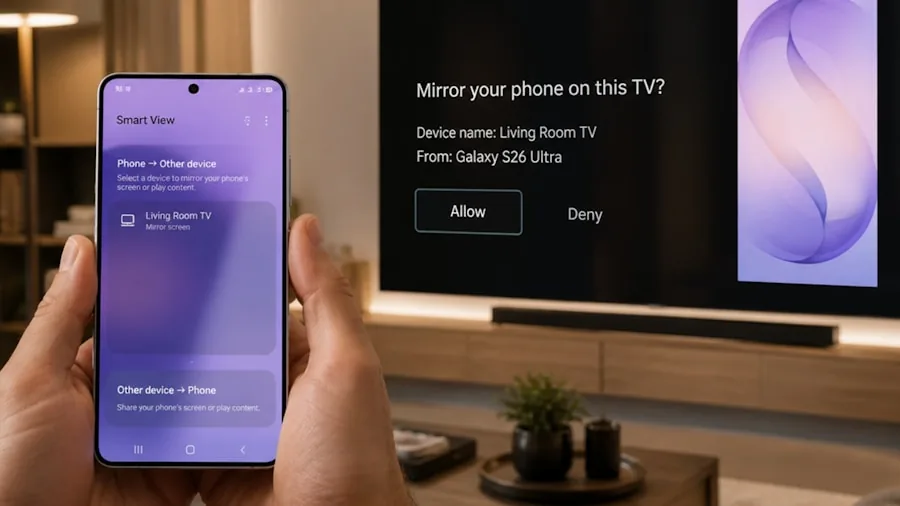
The competitive tension between these two firms accelerated innovation across the entire electronics industry. When companies are driven to improve their products through rivalry, consumers benefit from more advanced features, better interfaces, and faster technological progress. Television manufacturers have leveraged these developments to create increasingly user-friendly systems.
The lesson here is that bitter disputes, while uncomfortable, can drive progress. As you evaluate the best 75 inch TVs for every budget, you are choosing from products shaped by decades of competitive innovation. The thoughtful menu systems, responsive controls, and integrated streaming capabilities you expect in a modern TV emerged from the kind of technological competition that started with those early clashes.
Looking Forward: Operating Systems and Picture Quality
Today’s TV market reflects the outcomes of these historical innovations. Smart television platforms are more intuitive, hardware is more reliable, and integration with other devices is seamless. When pairing your new television with accessories like the best soundbars for TVs, you are benefiting from ecosystems that evolved from these foundational software and operating system advances.
The competitive spirit that defined the early conflict between technology firms continues today. Television manufacturers compete on processing power, display technology, and software responsiveness. Understanding the roots of this competition helps shoppers appreciate how and why modern TVs offer such sophisticated features.
The next time you navigate a TV menu or enjoy a crystal-clear picture on a modern display, remember that behind those conveniences lies a long history of innovation, occasional borrowed ideas, and friendly competition that has ultimately served consumers well. The sophistication of today’s television technology exists because companies were willing to compete fiercely and improve continuously.





Write Your Review
No reviews yet. Be the first to share your experience!