


If you’ve found yourself binge-watching intense crime dramas late into the night, you’re not alone. Recent insights from actor Scoot McNairy reveal something surprising about why audiences are drawn to dark, violent television content: it serves as a form of decompression rather than the opposite.
McNairy, who appears in the new Hulu and Disney+ series Furious, explained that viewers consciously and subconsciously turn to extreme content as a way to escape the stresses of daily life. This psychological mechanism works because the fictional violence is so removed from reality that it provides genuine mental relief. When we watch stories that feel stranger than fiction yet are grounded in real crime, our brains process it as a safe outlet for the anxieties we carry.
The appeal of crime-focused television has grown exponentially over the past decade. Networks and streaming platforms have flooded their libraries with detective dramas, true crime documentaries, and psychological thrillers. Despite this oversaturation, quality productions continue to attract millions of viewers who seek out these narratives. Understanding the psychology behind this trend helps explain why the best smart TVs for streaming shows have become increasingly popular in American households.
Why Crime Drama Dominates Home Entertainment
According to McNairy’s perspective, the human attraction to law enforcement narratives and family-centered conflict isn’t accidental. He argues that playing or watching police officers represents a modern rite of passage for both actors and viewers. The reason is straightforward: the most compelling human drama naturally occurs within families and law enforcement settings. These environments contain the raw material of real human emotion, violence, and trauma that audiences find compelling and authentic.
When you examine why certain TV shows become cultural phenomena, the pattern becomes clear. Stories about FBI agents, detectives, and corrupt systems resonate because they touch on genuine aspects of society. They allow viewers to explore dangerous situations, moral ambiguity, and human psychology from the safety of their living rooms. This protective distance between the viewer and the on-screen action is precisely what makes the experience cathartic rather than disturbing.
The news media, true crime documentaries, and fictional dramas all serve this decompression function simultaneously. We consume all these formats to process the chaos and uncertainty of real life through stories that have clear narrative arcs and resolution. Streaming services have recognized this demand and invested heavily in producing content that satisfies it. For those looking to upgrade their viewing experience, the best TVs for every budget and room size in 2026 offer improved picture quality that enhances the immersive nature of these intense narratives.
What This Means for Your Streaming Choices
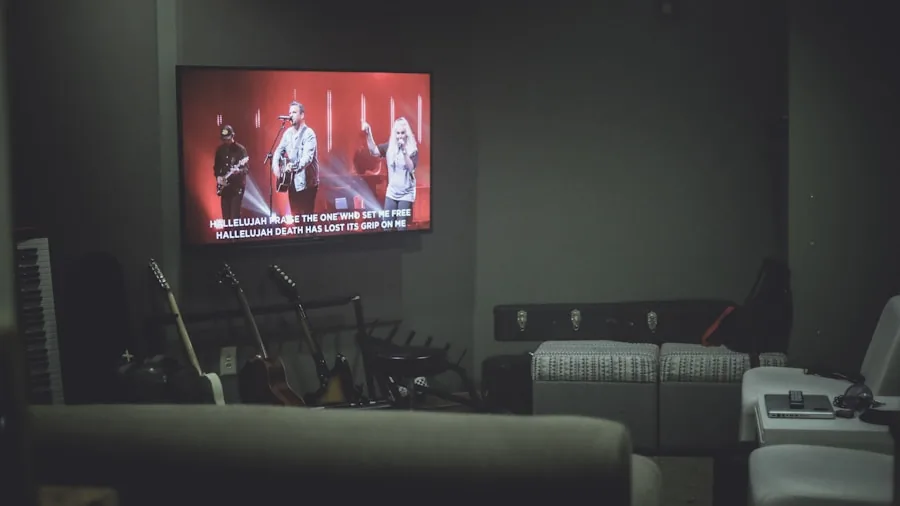
Understanding the decompression function of dark television content can change how you approach your streaming habits. Rather than feeling guilty about watching intense dramas, recognize that you’re engaging in a legitimate form of stress relief. The key is choosing quality productions that offer compelling storytelling alongside their darker themes.
When selecting what to watch next, consider that you don’t necessarily need to balance intense dramas with lighter fare. Many viewers have found satisfaction by leaning into the content that genuinely serves their emotional needs. If crime dramas and dark thrillers are what help you unwind, there’s no need to force yourself to watch comedies or feel-good movies as palette cleansers.
The growth of streaming platforms means more options than ever exist for finding shows that match your specific interests. Whether you’re drawn to serialized mysteries, police procedurals, or psychological thrillers, the quality and variety available today far exceed what cable television could offer. The best Samsung TVs for every budget and room size can deliver these stories with the visual clarity and audio quality they deserve.
As you continue to build your streaming watchlist, remember McNairy’s insight: watching extreme content isn’t escapism in the traditional sense. It’s a sophisticated form of decompression that allows you to process complex emotions and societal themes in a controlled environment. This perspective transforms what might feel like a guilty pleasure into a valuable part of your wellness routine.






Write Your Review
No reviews yet. Be the first to share your experience!