


As summer heat intensifies, many homeowners ask themselves whether they should keep mowing their lawns on the same schedule they followed in July. The answer is more nuanced than you might think. August presents unique challenges for lawn care because weather conditions change dramatically, and your grass responds accordingly. Understanding how to adjust your mowing routine this month will help you maintain a healthy, vibrant lawn heading into fall.
Why August Mowing Differs from Earlier Summer Months
During late spring and early summer, grass grows consistently because temperatures remain moderate and rainfall is usually reliable. August disrupts this pattern. In most parts of the country, August brings intense heat and dry conditions that slow turf growth significantly. Your grass doesn’t need to be cut as frequently, yet stopping altogether would be a mistake. The goal is to mow thoughtfully based on what your lawn actually needs, not on a rigid weekly schedule.
Cutting grass too often during hot, dry weather creates serious problems. Each time you mow, you stress the turf further when it’s already struggling with heat and drought. Short grass loses its ability to absorb energy through photosynthesis, which weakens the blades over time. Additionally, removing too much grass height at once makes your lawn vulnerable to disease, pest invasion, and weed proliferation. Conversely, letting grass grow too tall traps moisture and reduces airflow, which encourages fungal diseases and attracts unwanted pests.
The One-Third Rule: Your August Mowing Guide

The most reliable method for deciding when to mow is the one-third rule. Never remove more than one-third of your grass height in a single cutting session. If your lawn hasn’t grown enough to warrant removing that proportion, it’s not time to mow yet. This simple principle takes the guesswork out of scheduling and keeps your grass healthy.
In practice, this means your mowing frequency depends entirely on weather. During wet, cool August weather, you might still need to mow weekly. If you’re experiencing typical hot, dry conditions, mowing every two weeks is usually sufficient. Some homeowners find they can stretch to three weeks between cuts. The key is observing your lawn’s actual growth rate rather than following a predetermined schedule.
Factors That Control How Often You Should Mow
Several variables influence how quickly your grass grows in August. Understanding these factors helps you make smarter mowing decisions:
- Grass type: Cool-season grasses naturally slow their growth during August heat, while warm-season varieties may continue growing vigorously and require more frequent cutting.
- Water availability: Rainfall and irrigation are the biggest growth drivers. Without adequate water, grass barely grows, so there’s no need to mow. During drought, delay mowing until rain returns or you can water your lawn.
- Temperature: Extremely hot spells cause cool-season grasses to slow dramatically or even go dormant. During these periods, mowing should decrease or stop entirely.
- Local lawn conditions: Soil type, compaction, shade levels, and other site-specific factors affect growth rates. You might need to mow different sections of your yard on different schedules.
Preparing Your Lawn for Fall Recovery
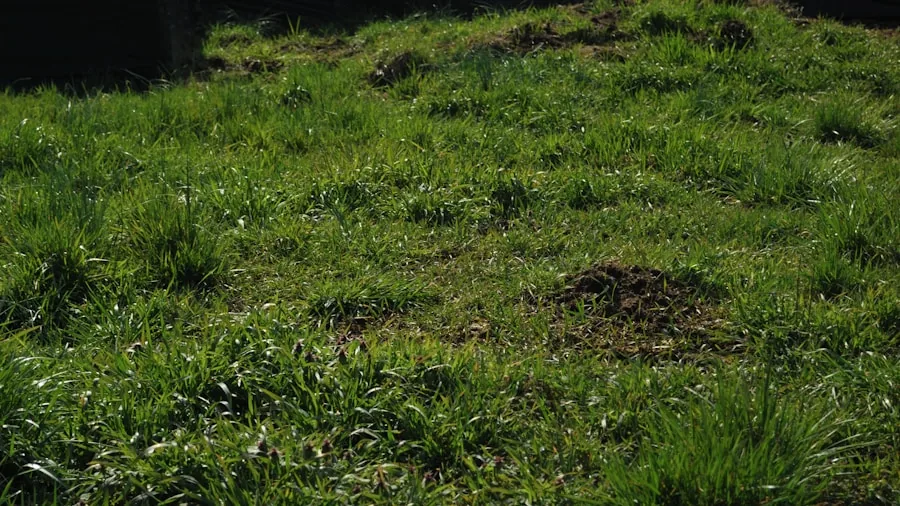
As August progresses and your grass prepares for fall dormancy, your mowing approach becomes even more critical. One smart adjustment is to raise your mower blades slightly. Keeping grass a bit taller helps it gather more sunlight and store energy for the stressful dormant season ahead. Taller grass also competes better against weeds.
Check your mower blades before August mowing and sharpen them if needed. Dull blades tear grass instead of cutting cleanly, which damages the plant and invites disease. Sharp blades create clean cuts that heal faster and strengthen your turf.
When shopping for a new mower or upgrading your equipment, consider options that suit your yard size and maintenance style. The best lawn mowers for every yard size and budget offer various cutting heights and scheduling options to match your August mowing needs. For those managing smaller properties, the best robot lawn mowers for small yards and busy homeowners can maintain consistent cutting without constant oversight.
Creating a Responsive August Mowing Plan
Avoid the common mistake of mowing automatically every Saturday or Sunday regardless of conditions. Instead, check your lawn’s height two or three times per week. When grass has grown enough to meet the one-third rule threshold, that’s when you mow. This responsive approach reduces turf stress and keeps your lawn dense and resilient.
Proper August mowing supports your lawn’s recovery and active growth in early fall, which determines how strong and healthy your turf will be throughout winter. By thinking strategically about when and how you mow this month, you’ll set yourself up for a thick, vibrant lawn next spring.






Write Your Review
No reviews yet. Be the first to share your experience!