
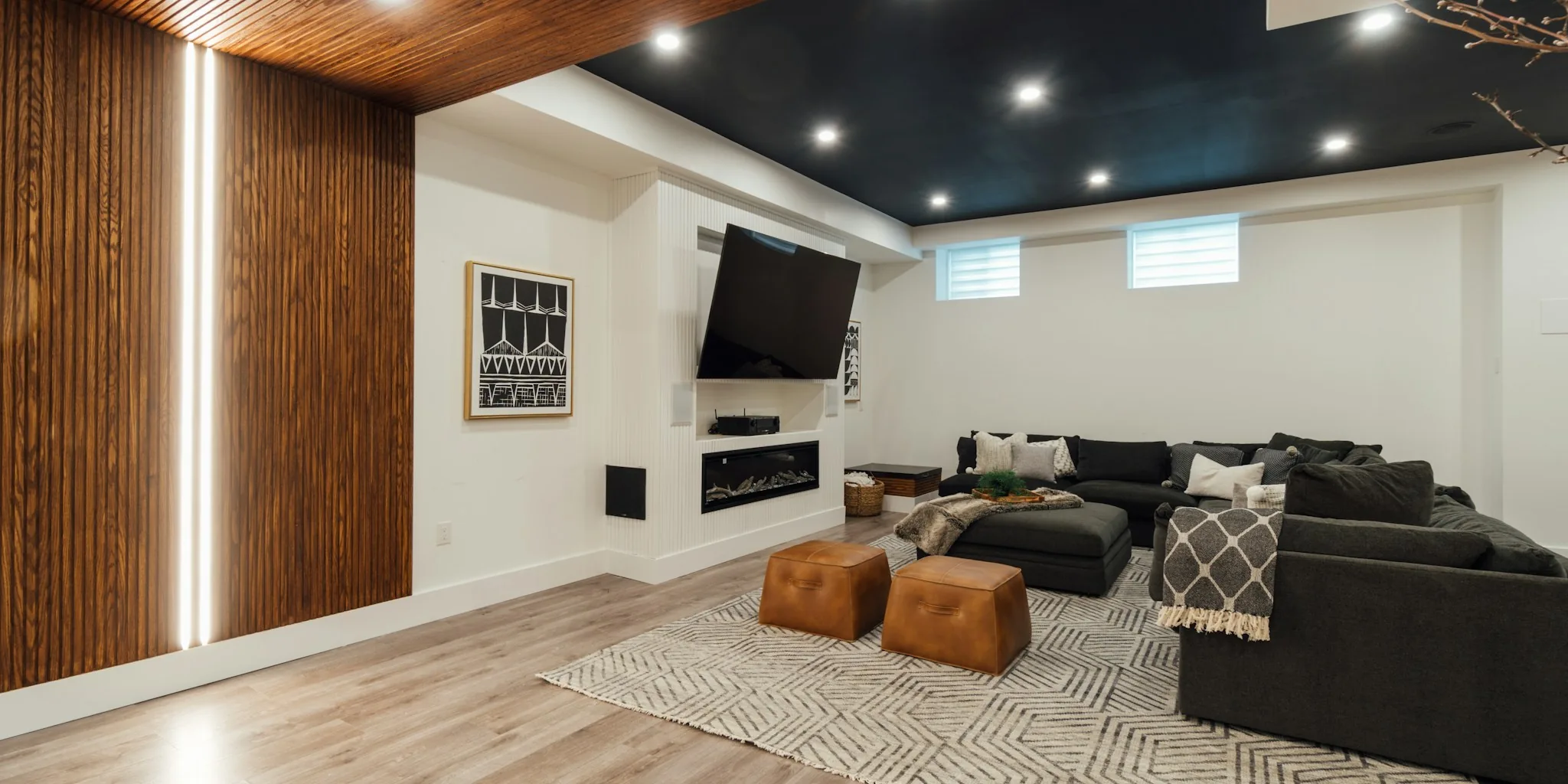

In late 2025, Epson released the LifeStudio Grand, a new ultra-short-throw projector positioned at the $2,699 price point. However, buyers should know that this isn’t an entirely new product. The LifeStudio Grand is essentially a rebranded version of Epson’s earlier EpiqVision Ultra LS650 model with some modest upgrades. While Epson has made a few quality-of-life improvements, the projector still struggles to keep pace with rival offerings from competitors like Hisense and Xgimi that have made significant advances over the past year.
What Has Changed From the Previous Model
Epson made several tweaks worth noting. The company upgraded to Google TV as the operating system, which runs smoothly and launches apps without lag. An extra HDMI port means you now get three instead of two, addressing a common frustration for users with multiple devices. The projector also ships with Wi-Fi 6E support, enabling faster wireless streaming. For gamers, Epson added ALLM (Auto Low Latency Mode) and a 1080p/120Hz mode. Additionally, the fan noise has been reduced compared to its predecessor, which is a genuine improvement for quiet viewing.
Where It Still Falls Short
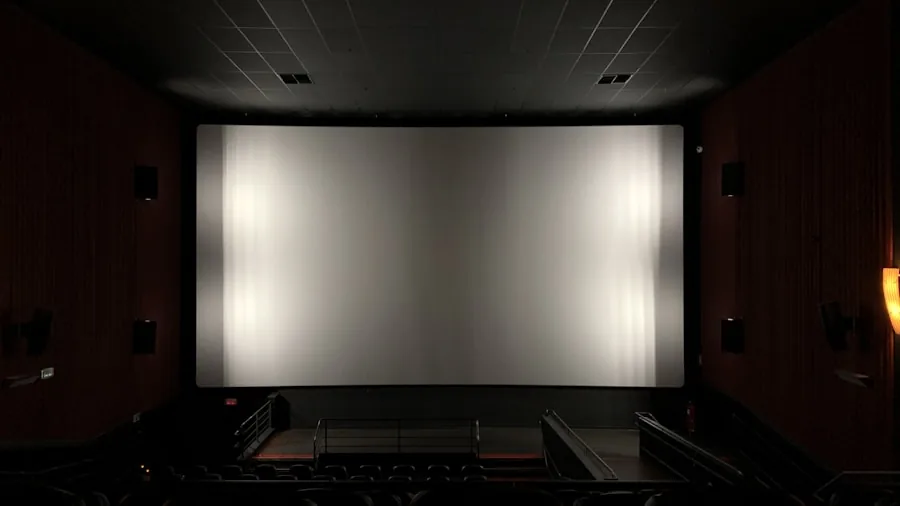
Despite these refinements, the LifeStudio Grand has significant limitations. The projector uses Epson’s 3LCD technology, which doesn’t deliver color vibrancy comparable to RGB laser systems now common among competitors. The image can appear soft due to the pixel-shifting approach, and contrast is merely decent. Motion handling remains problematic, with motion interpolation that smooths some pans but introduces strange artifacts with people and objects moving across the screen, making animated content look smeared and choppy. Hand motions particularly suffer, appearing almost artificially generated.
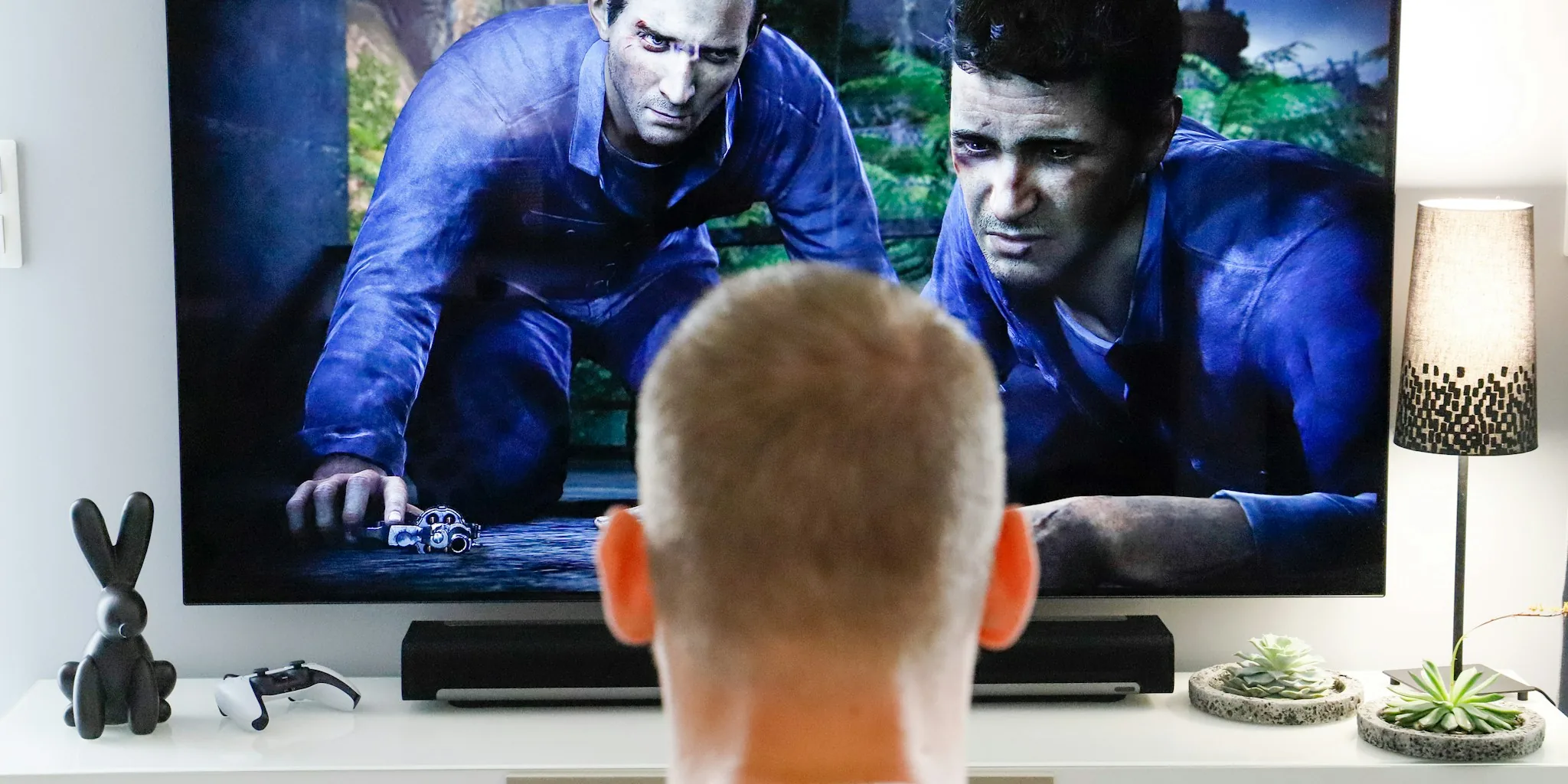
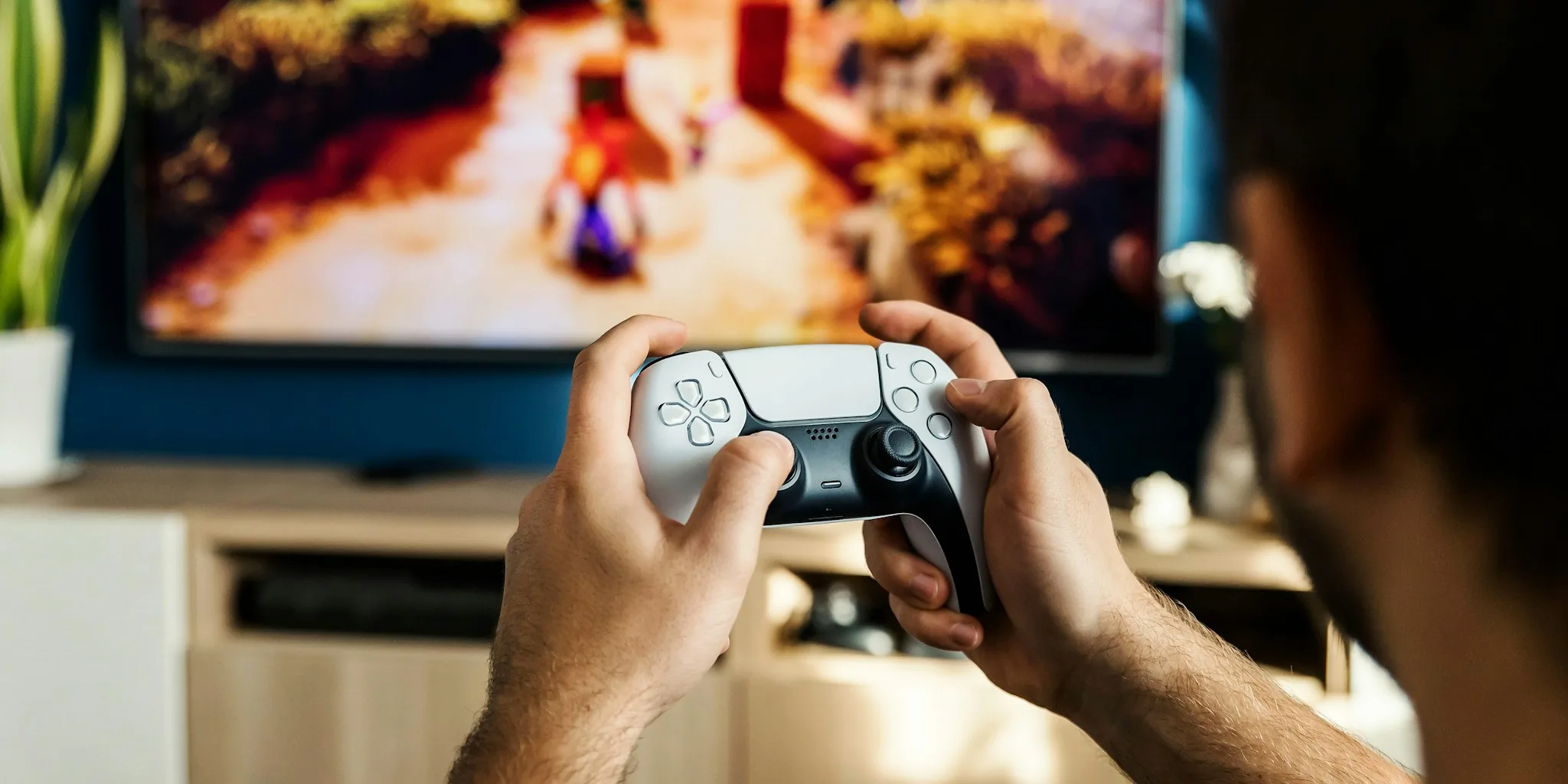
Sound quality is underwhelming despite a tuning partnership with Bose. The speakers lack soundstage width and can’t match a proper home theater audio setup. In rooms larger than 200 square feet, you’ll find yourself maxing volume regularly. For gaming enthusiasts, the projector can’t eliminate latency issues in fast-action titles, making it unsuitable for competitive or reflex-demanding games. Wall-mounted displays offer better gaming responsiveness at similar price points.
Design and Physical Considerations
The LifeStudio Grand looks nearly identical to its predecessor, with a plain white plastic chassis and gray grille. The industrial appearance feels dated, and at 15.7 inches deep, it protrudes further than competing UST projectors like the Hisense L9Q (12.5 inches) and PX3-Pro (11.7 inches). This depth causes practical issues: it can stick out awkwardly from media consoles, interfere with soundbar placement, and potentially require your furniture arrangement to accommodate the projector. The 0.25:1 throw ratio means your console might need repositioning for a large image.
The included remote is a cheap plastic unit that feels mismatched to the $2,699 price. It lacks backlighting and a mute button, forcing you to endure unmuted advertisements. While the projector’s adjustment capabilities are functional, manual focus and tilt correction mean you won’t enjoy the convenience of automatic setup.
Brightness: The One Real Strength
The projector’s 3,600 lumens brightness is genuinely impressive for the price range and represents its strongest selling point. This means it handles bright-room viewing better than many competitors, though bright sunlight still ruins dark scenes. The brightness doesn’t offset other shortcomings, but it’s useful if your viewing space has significant ambient light.
Value Assessment for Shoppers

At $2,699, the LifeStudio Grand sits near the entry-to-mid range for premium UST projectors. However, the value proposition weakens when you consider what alternatives offer. The Hisense C2 Ultra, a standard-throw RGB laser projector, has been discounted to around $2,000 and delivers far superior color, contrast, and gaming performance. For comparison, high-end 85-inch televisions in this price range provide versatile content viewing without the installation concerns of projectors.
Competitors haven’t stayed still. The Hisense PX3-Pro costs more upfront but has seen frequent sales bringing it closer to the LifeStudio Grand’s price while offering superior color gamut, versatility, and aesthetics. The Xgimi Aura 2 sacrifices some brightness but delivers much more attractive industrial design and overall stronger image quality. If avoiding the DLP rainbow effect is your priority, the LifeStudio Grand serves a niche purpose. For everyone else, superior alternatives exist at or below this price point.
Who Should and Shouldn’t Buy
Consider the LifeStudio Grand only if you struggle with DLP rainbow artifacts (which many people don’t notice) or need to watch content primarily in bright rooms. Skip it if you’re building a serious home theater, enjoy gaming, want vibrant colors, or value compact furniture placement. Outdoor entertainment setups might benefit more from dedicated outdoor-rated displays than this indoor projector.
The rebranding represents a missed opportunity. Epson made improvements but at a pace that competitors have already surpassed. Before spending nearly $2,700, shop alternatives and demand more than just brightness at this price tier.




Write Your Review
No reviews yet. Be the first to share your experience!