
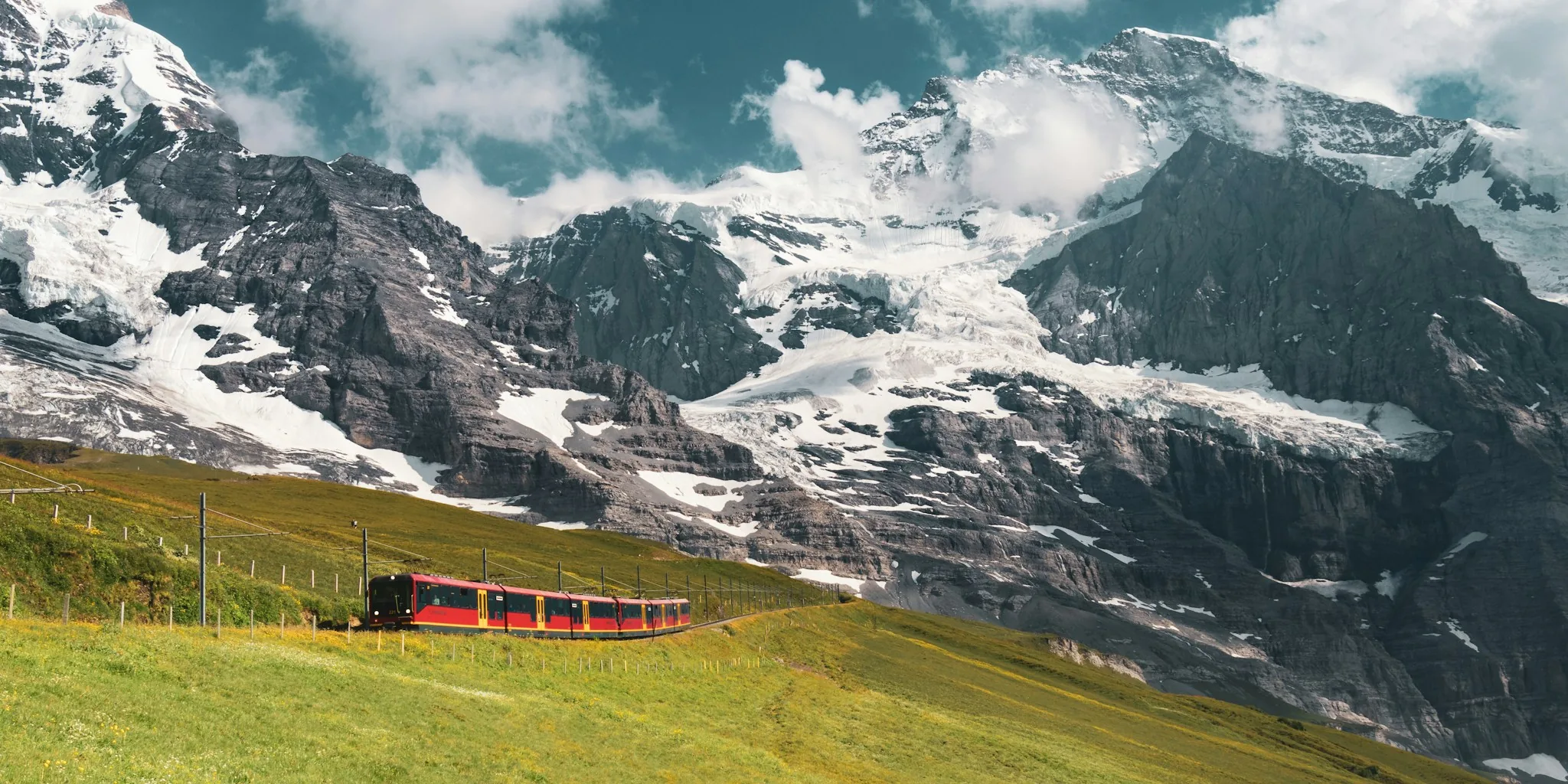

Record numbers of Americans are discovering that train travel offers a refreshing alternative to flying and driving. With 34.5 million riders in 2025, Amtrak is experiencing a surge in popularity, and for good reason: no security lines, no parking headaches, and a far more relaxed journey overall. But here’s what many travelers don’t realize: the train itself can be your gateway to some of the country’s most spectacular hiking destinations.
The Empire Builder Route, one of America’s most iconic train journeys, runs between Chicago and Seattle across three days and two nights. This legendary line follows historic pathways through the Pacific Northwest, tracing the route of Lewis and Clark exploration. What makes it truly special for hikers is that the route doesn’t just connect point A to point B; it strings together dozens of hiking opportunities across prairies, mountains, and national parks in Wisconsin, Minnesota, North Dakota, Montana, Idaho, and Washington.
Planning Your Hiking Strategy on Amtrak
The key to maximizing this adventure is treating your ticket as a series of stopovers rather than a single continuous journey. Round-trip fares average $600 for coach seating and upwards of $1,500 for private bedrooms during peak summer months. The Empire Builder runs daily in both directions, so you can hop off at any stop, spend days hiking and exploring, then catch the next available train to continue your journey.
Pack wisely: Amtrak allows one personal item and two carry-on bags totaling 50 pounds, which accommodates most hiking backpacks. However, stove fuel and bear spray cannot be brought aboard, so you’ll need to purchase these items locally at each stop.
Hiking Highlights Along the Route
Wisconsin and Minnesota: The journey begins with views of Wisconsin Dells, where sandstone cliffs rise over 100 feet above the Wisconsin River. Day hikers can tackle the Chapel Gorge Trail or explore the narrow slot canyon at Witches Gulch. For those seeking state park adventures, proper hiking boots for women make navigating Devil’s Lake State Park’s famous East Bluff Trail much more comfortable. Further west, Perrot State Park and Great River Bluffs State Park offer stunning Mississippi River vistas and excellent wildflower viewing from March through May.
North Dakota: Williston sits near Little Missouri State Park, where over 45 miles of trails wind through dramatic badlands terrain. This is one of the least-visited sections of the route, featuring sculpted rock formations, buttes, and coulees with golden eagles overhead and occasional rattlesnakes underfoot.
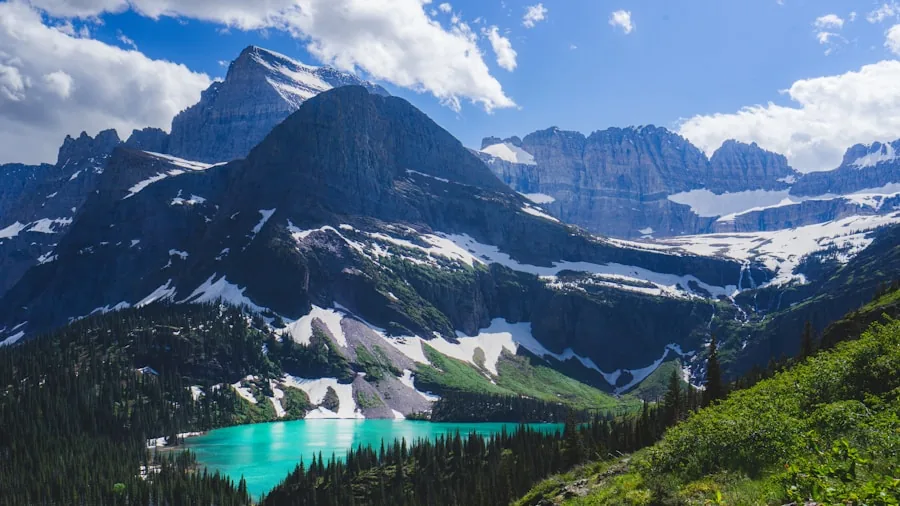
Montana and Glacier National Park: This is the showstopper. Getting off at East Glacier Park gives you access to Two Medicine, the park’s quieter corner, with trails dating back to the railroad era of 1913. The 7.4-mile round-trip Scenic Point Trail rewards hikers with views of where the Great Plains meet the Rockies. The more challenging Dawson-Pitamakan Loop stretches 18 miles and crosses the Continental Divide. For comfort on these mountain trails, quality hiking shoes designed for trail comfort are essential investments.
Idaho: Sandpoint offers lakeshore beauty, though the train arrives early morning eastbound. If you overnight, explore the Pend d’Oreille Bay Trail or venture to Little Sand Creek Basin Trails in the Selkirks, featuring 25 miles of paths descending nearly 4,000 feet through temperate rainforest.
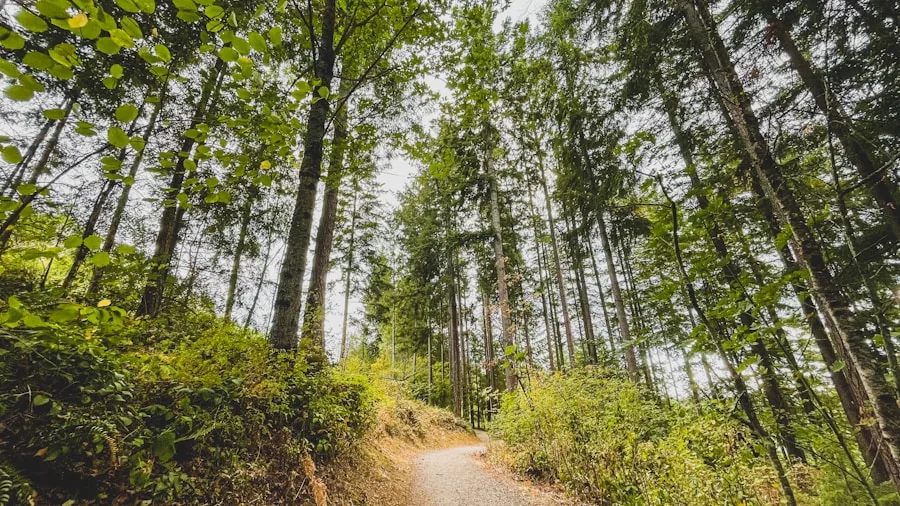
Washington: Rather than rushing to Seattle, consider staying longer at earlier stops to hike the Enchantments Loop near Leavenworth. However, Seattle’s urban trails deserve attention too. Discovery Park’s 2.8-mile loop offers meadows, old-growth forest, and Puget Sound views. Warren G. Magnuson Park provides excellent birdwatching, and Seward Park’s 2.4-mile perimeter loop showcases the Pacific Northwest’s signature mossy, fern-filled old-growth forest.
Timing Your Trip Right
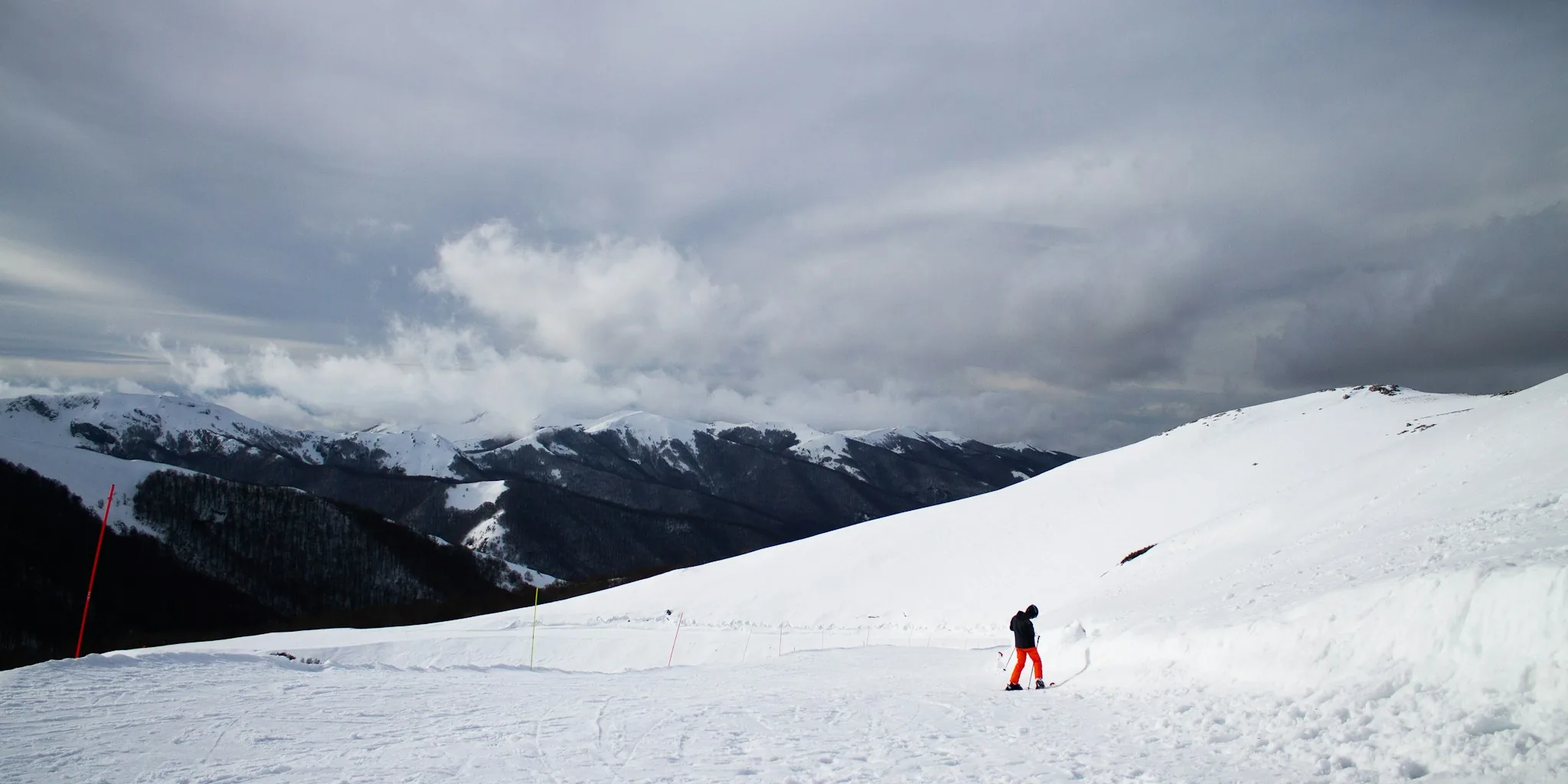
July through September offers the best conditions for high-alpine hiking. Popular areas around Glacier and the Cascades often remain snow-covered into midsummer. Late summer also provides extended daylight hours, meaning more time to explore on foot and more time to enjoy scenery from the train windows. September is particularly special for leaf-peeping in Minnesota and spotting golden larches in Montana.
Getting from Station to Trailhead
Some stops, like Wisconsin Dells and Whitefish, sit within walking distance of trailheads. East Glacier offers hotel-to-trailhead shuttle services running June through September. For more remote areas, rideshare services like Uber and Lyft operate near major towns along the route. Some hikers choose women-specific hiking shoes for their supportive fit during the mix of train travel and trail time.
The beauty of the Empire Builder hiking adventure is flexibility. You control your pace, choosing to spend an afternoon on a short day hike or several days on a backcountry thru-hike. With shuttle services, rideshare options, and numerous hotel stays available at each stop, this cross-country train experience opens up hiking possibilities that driving or flying simply cannot match.


Write Your Review
No reviews yet. Be the first to share your experience!