

Choosing the right ski jacket is one of the most important decisions you can make before hitting the mountain. The best ski jackets balance waterproofing, breathability, insulation, and freedom of movement so you stay dry, warm, and comfortable whether you are carving resort groomers or battling unpredictable weather at elevation. With options ranging from lightweight shells to full 3-in-1 systems from Helly Hansen and Spyder, narrowing down the field takes real evaluation across real conditions.
At Buyadvanced, our process combines hands-on testing across varied winter climates with aggregated real-world feedback from verified buyers. We focus on what matters most to skiers: how well a jacket performs when conditions change mid-run, not just how impressive it looks on a spec sheet. Every model in this guide was evaluated for weather protection, fit, warmth range, durability, and overall value. If you are also building out the rest of your kit, pairing your jacket with quality ski gloves is equally essential for a complete on-mountain setup.

Pros
- Exceptional waterproofing with full seam sealing keeps you dry in heavy rain and spray
- Lightweight 2-layer construction makes it packable and easy to layer under heavier outerwear
- Regular fit accommodates layering without excessive bulk or restriction
- Brushed collar and hand pockets add comfort during extended wear
- PFC-free DWR treatment reflects environmental responsibility without sacrificing performance
Cons
- No customer reviews available yet, so real-world durability feedback is limited
- Solid navy color offers less style variety than multi-color options
- No stretch fabric means movement may feel slightly restricted during vigorous activity
The Helly Hansen Crew Hooded Midlayer Jacket 2.0 is purpose-built for water sports and cold-weather activities. Its fully seam-sealed construction combined with HELLY TECH PROTECTION delivers genuine waterproof and windproof performance, making it reliable for inshore sailing, dinghy work, and unpredictable coastal weather. The addition of a packable hood stored neatly in the collar means you're always prepared without adding bulk to your bag.
Construction quality stands out with its 2-layer Polartec fleece design, which balances insulation with breathability for active use. The brushed polyester lining on the inside collar and hand pockets enhances comfort during extended wear, while the adjustable drawcords on both the hem and hood allow you to fine-tune the fit as conditions change. Four well-placed pockets provide practical storage for essentials, and the regular fit works well over lighter midlayers without feeling oversized.
This jacket suits sailors, water sports enthusiasts, and anyone commuting in cold, wet climates. The PFC-free durable water repellency treatment shows environmental consideration without compromising protection. Machine washability makes maintenance straightforward, and the embroidery-friendly design opens options for personalization or team branding. Whether you're on the water or navigating urban winters, this jacket delivers dependable weather protection with thoughtful design details.
| Brand | Helly Hansen |
| Style | Crew Hooded Midlayer Jacket 2.0 |
| Color | Navy (597) |
| Material | Shell: 100% Polyester; Lining: 100% Polyester (Recycled); Secondary Lining: 100% Polyester |
| Insulation Type | Polartec Fleece, 2-Layer Construction |
| Sleeve Type | Long Sleeve |
| Collar Style | Hooded with Packable Design |
| Fit Type | Regular (True to Size) |
| Silhouette | Anorak |
| Length | Hip Length (Standard) |
| Closure | Full-Length Zipper |
| Pockets | 4 Pockets |
| Water Resistance | Fully Waterproof with Seam Sealing |
| Weather Protection | Waterproof, Windproof, Breathable |
| DWR Treatment | Durable Water Repellency (PFC-Free) |
| Lining | Brushed Fleece |
| Adjustability | Drawcord on Hem, Drawstring in Hood |
| Cuffs | Adjustable |
| Care Instructions | Machine Wash |
| Best For | Inshore Sailing, Dinghy Sailing, Marine Lifestyle, Urban Commuting, Cold Weather |
| Season | Fall / Cold Weather |
| Pattern | Solid |
| Stretch | No Stretch |
| Origin | Imported |
| Style Number | 34442 |
Washing & Maintenance
Machine Wash: Wash in cold water on a gentle cycle. Use mild detergent and avoid bleach or fabric softeners, which can damage the water-repellent coating.
Drying: Air dry or tumble dry on low heat. Avoid high heat, which can compromise the HELLY TECH Protection and DWR finish.
Water Repellency Restoration: Over time, the DWR coating may diminish. Periodic washing and low-heat drying help restore water beading. Commercial DWR treatments are available for extended durability.
Storage: Store in a cool, dry place. The packable hood design allows compact storage when not in use.
Embroidery: This jacket is embroidery-friendly, making it ideal for personalization, team logos, or corporate branding without affecting performance.
Who Should Buy This Jacket?
Water Sports Enthusiasts: Sailors, dinghy operators, and kayakers benefit from the full waterproofing and seam sealing designed for water exposure.
Cold-Weather Commuters: Urban professionals facing wet winters appreciate the lightweight packability and weather protection for daily transit.
Outdoor Workers: Anyone working in coastal or cold conditions values the windproof construction and four functional pockets.
Sizing & Fit
This jacket fits true to size in a regular cut. It's designed to layer over lighter midlayers without excessive bulk. If you prefer a snug fit, consider sizing down; if you layer frequently with heavier pieces, consider sizing up.
Layering Strategy
Pair this midlayer under a heavier shell jacket for extreme conditions, or wear it solo for moderate cold and wet weather. The brushed fleece lining provides insulation without adding significant weight.

Pros
- Excellent waterproof protection engineered specifically for skiing conditions
- Helmet-compatible hood design is a practical feature most skiers truly appreciate
- Breathable fabric prevents sweat buildup during high-intensity winter sports
- Durable construction with reinforced areas designed to last multiple seasons
- Sustainable choice with recycled polyester material without compromising performance
Cons
- Premium price point at $290.50 may be steep for casual or occasional skiers
- Requires proper care including tumble drying to reactivate water repellent treatment
- No customer reviews currently available to validate real-world performance claims
The Helly Hansen Sogn Shell 2.0 represents a solid investment for dedicated skiers seeking reliable mountain protection. The waterproof shell construction paired with breathable fabric creates an effective barrier against wet snow and wind while managing moisture from intense physical activity. The thoughtful design touches, particularly the helmet-compatible hood and powder skirt, demonstrate Helly Hansen's understanding of what skiers actually need on the slopes.
What sets this jacket apart is the balance between performance and sustainability. The use of 54% recycled polyester shows the brand's commitment to environmental responsibility without sacrificing the durability required for demanding winter conditions. The ventilation zippers provide practical temperature control during varying intensity levels, and the reinforced fabric construction suggests this jacket will withstand multiple seasons of regular use.
Prospective buyers should understand this is a shell jacket designed for layering, meaning you'll want to pair it with appropriate base and mid-layers for optimal warmth. The care instructions are straightforward but important to follow, particularly the tumble drying step that reactivates the water repellent treatment. This jacket delivers the protection and durability serious skiers expect from the Helly Hansen brand.
| Brand | Helly Hansen |
| Model | Sogn Shell 2.0 |
| Color | 660 Black Grape |
| Material | Shell: 54% Recycled Polyester, 46% Polyester |
| Fit Type | Regular |
| Sleeve Type | Long Sleeve |
| Collar Style | Hooded (Helmet-Compatible) |
| Closure | Zipper |
| Pockets | Chest Pockets |
| Length | Standard |
| Pattern | Solid |
| Weight | 0.75 kg (1.65 lbs) |
| Style Number | 65748 |
| Category | Men's Skiing Jackets |
| Occasion | Outdoor Lifestyle / Winter Sports |
| Origin | Imported |
Washing & Maintenance:
- Close all hook and loop fasteners before washing
- Close all zippers before washing
- Do not soak the jacket
- Avoid fabric softener as it damages water repellent coating
- Wash separately from other garments
- Remove promptly from washer after cycle completes
Drying & Treatment:
- Tumble dry the garment to reactivate water repellent treatment
- This reactivation step is essential for maintaining waterproof performance
- Note: Some fading may occur on bright colors with repeated washing
Is This Jacket Right for You?
The Sogn Shell 2.0 is ideal if you: ski or snowboard regularly, need reliable waterproof protection, wear a helmet (the adjustable hood accommodates this), and appreciate durable construction that lasts multiple seasons. This is a performance-focused shell jacket designed for active mountain sports.
Layering Recommendation:
As a shell jacket, this works best as your outer layer. Pair it with a moisture-wicking base layer and an insulating mid-layer (fleece or down) underneath for optimal warmth and comfort. This three-layer system allows you to adjust insulation based on temperature and activity level.
Key Features to Understand:
- The powder skirt is essential for keeping snow out during falls and deep powder runs
- Ventilation zippers let you release excess heat during intense activity
- The helmet-compatible hood means you can wear it over your ski helmet without awkward bunching
- Waterproof protection requires proper care, especially the tumble dry reactivation step
Waterproof Technology: The shell construction provides genuine waterproof protection rather than water-resistant coating, essential for skiing where you encounter wet snow and extended moisture exposure. The recycled polyester blend maintains this protection while reducing environmental impact.
Breathability & Ventilation: The breathable fabric prevents sweat and moisture from getting trapped inside during high-intensity runs. Ventilation zippers offer additional temperature control, allowing you to open vents when you're working hard and seal them when you need maximum insulation.
Durability for Demanding Conditions: Reinforced fabric in high-stress areas ensures this jacket withstands the rigors of regular skiing, including contact with skis, poles, snow, and rough terrain. The solid construction quality suggests this investment will provide protection across multiple seasons.

Pros
- Lightweight construction doesn't sacrifice warmth, making it ideal for all-day riding and high-mobility activities
- Naturally hydrophobic insulation performs even when wet, unlike standard synthetic alternatives
- RECCO rescue system adds genuine safety value for backcountry adventurers and resort enthusiasts alike
- Thoughtful design details like the ski pass pocket and LIFE POCKET+ show Helly Hansen understands real-world skiing needs
- Strong 4.6-star rating from 271 verified buyers reflects consistent quality and performance
Cons
- Premium price point at $525.60 puts it out of reach for casual or budget-conscious skiers
- Hand-wash only care requirement demands more maintenance commitment than machine-washable alternatives
- Water-resistant (not fully waterproof) exterior means it's better suited for light precipitation than heavy downpours or all-day rain
The Helly Hansen Alpha LIFALOFT Insulated Ski Jacket represents a meaningful leap forward in insulation technology for winter athletes. The LIFALOFT insulation, developed through collaboration between Helly Hansen's proprietary LIFA technology and PrimaLoft expertise, achieves a remarkable balance: it's 20% lighter than conventional polyester insulation while actually trapping more air and delivering superior warmth. The naturally hydrophobic fiber construction means moisture passes through to the outer layer rather than being absorbed, keeping you dry from both external precipitation and internal perspiration. This is particularly valuable during intense physical activity when traditional insulations can become heavy and clammy.
Beyond insulation, this jacket excels through thoughtful engineering details that address real skiing and snowboarding scenarios. The integrated RECCO Advanced Rescue System provides genuine peace of mind for backcountry exploration, while the LIFE POCKET+ technology solves a genuine problem: phone batteries drain rapidly in extreme cold. The adjustable, helmet-compatible hood and powderskirt offer practical versatility, and the dedicated ski pass pocket eliminates the frustration of fumbling for lift tickets. Underarm vents allow active temperature regulation during high-exertion runs, preventing overheating during climbs or powder sessions.
Built from durable materials with a relaxed fit that accommodates layering, this jacket is engineered for serious mountain users who value performance and safety. The hand-wash-only care requirement reflects the technical nature of the garment and the need to preserve the insulation's properties. At this price point, the Alpha LIFALOFT is positioned as an investment piece for dedicated skiers and snowboarders who spend significant time in challenging conditions and appreciate equipment that's been trusted by professional mountaineers and outdoor specialists worldwide.
| Brand | Helly Hansen |
| Model | Alpha LIFALOFT Insulated Ski Jacket |
| ASIN | B07QV2GV89 |
| Department | Men's |
| Best Sellers Rank | #83 in Men's Skiing Jackets |
| Outer Fabric | 85% Polyamide, 15% Elastane |
| Lining | 100% Polyester |
| Insulation Type | LIFALOFT (70% Polypropylene, 30% Polyester) |
| Insulation Weight | 80g in body and sleeves |
| Water Resistance | Water-resistant exterior with DWR treatment |
| Windproof | Yes |
| Seam Sealed | Fully seam sealed |
| Fit | Regular |
| Key Features | Adjustable helmet-compatible hood, powderskirt, RECCO Advanced Rescue System, LIFE POCKET+ technology, ski pass pocket, underarm vents |
| Product Dimensions | 23 x 17 x 5 inches |
| Weight | 2.8 pounds |
| Care Instructions | Hand wash only |
| Origin | Imported |
Hand Washing
This jacket requires hand washing to preserve the integrity of the LIFALOFT insulation and technical fabrics. Use cool water with a gentle detergent designed for technical garments. Avoid harsh chemicals, bleach, and fabric softeners that can compromise the hydrophobic properties of the insulation.
Drying
After washing, gently squeeze out excess water without wringing or twisting the jacket. Lay flat or hang to dry naturally in a well-ventilated area away from direct heat sources, radiators, or sunlight. Never use a dryer, as heat can damage the synthetic fibers and insulation.
Restoring DWR Treatment
Over time, the Durable Water Repellency (DWR) treatment on the outer shell may diminish. You can restore water-beading performance using a DWR re-treatment product specifically designed for technical outerwear. Follow product instructions carefully to maintain optimal water resistance.
Storage
Store the jacket in a cool, dry place during off-season months. Use a breathable garment bag rather than plastic, which can trap moisture. Ensure the jacket is completely dry before storing to prevent mildew or odor development.
Who Should Buy This Jacket?
The Helly Hansen Alpha LIFALOFT is ideal for dedicated skiers and snowboarders who prioritize performance, safety, and comfort during extended time on the mountain. It's particularly well-suited for backcountry explorers who value the RECCO rescue system, resort enthusiasts who appreciate technical features, and anyone who refuses to compromise on insulation quality. If you spend 20+ days per season on snow and demand equipment that performs under pressure, this is a professional-grade choice.
Fit Considerations
This jacket features a regular fit, designed to accommodate layering with mid-weight insulating layers underneath. It's not overly tight or baggy, providing a balanced silhouette whether you're wearing a thin base layer or a thicker mid-layer. The adjustable hood is helmet-compatible, and the powderskirt ensures coverage during active riding. Try it on with your typical layering setup to ensure comfort during movement.
Climate and Conditions
The water-resistant (not fully waterproof) exterior makes this jacket ideal for dry to moderate snow conditions and light precipitation. While the fully seam-sealed construction and DWR treatment provide solid protection, it's better suited for powder and spring conditions than for heavy rain or all-day sleet. The underarm vents allow you to regulate temperature during intense activity, making it versatile across varying exertion levels.
Value Assessment
At the premium price point, this jacket represents an investment in durability, innovation, and safety features you won't find in entry-level alternatives. The LIFALOFT insulation technology, RECCO rescue system, and thoughtful design details justify the cost for serious mountain users. If you're a casual skier with limited budget, consider more affordable options. If you value performance and safety, this jacket delivers measurable advantages.
LIFALOFT Insulation Technology
LIFALOFT represents a collaborative breakthrough combining Helly Hansen's proprietary LIFA fiber technology with PrimaLoft's extensive synthetic insulation expertise. The result is an insulation material that's 20% lighter than standard polyester while trapping more air for superior heat retention. The yarn technology creates more air pockets per unit weight, delivering warmth without bulk. Critically, the LIFA fibers are naturally hydrophobic (water-repelling), meaning they don't absorb moisture and maintain insulating properties even when wet. This is a genuine advantage over traditional synthetic insulations that can become heavy and lose effectiveness when damp. The insulation also boasts a lower carbon and water footprint compared to conventional polyester, appealing to environmentally conscious consumers.
LIFE POCKET+ Technology
Modern skiers and snowboarders rely on smartphones for navigation, communication, and capturing moments. LIFE POCKET+ is a dedicated insulated pocket that preserves your phone's battery in extreme cold temperatures. Lithium-ion batteries lose charge rapidly in freezing conditions, and this pocket maintains a warmer microclimate around your device, extending usable battery life significantly. It's a practical solution to a real problem that smartphone users face in winter sports.
RECCO Advanced Rescue System
Integrated into the jacket, the RECCO system is a passive avalanche rescue technology that works in conjunction with RECCO detectors used by ski patrols and rescue teams. Unlike active avalanche transceivers that require batteries and user operation, RECCO is always active and helps rescue personnel locate you quickly in an emergency. This is standard equipment for backcountry skiing and adds genuine safety value for those venturing beyond resort boundaries.
How to Choose the Right Ski Jacket
With so many options across insulated and shell categories, buying a ski jacket without a clear framework leads to costly mistakes. These are the factors that most directly determine whether a jacket works for you season after season.
Waterproofing and Breathability
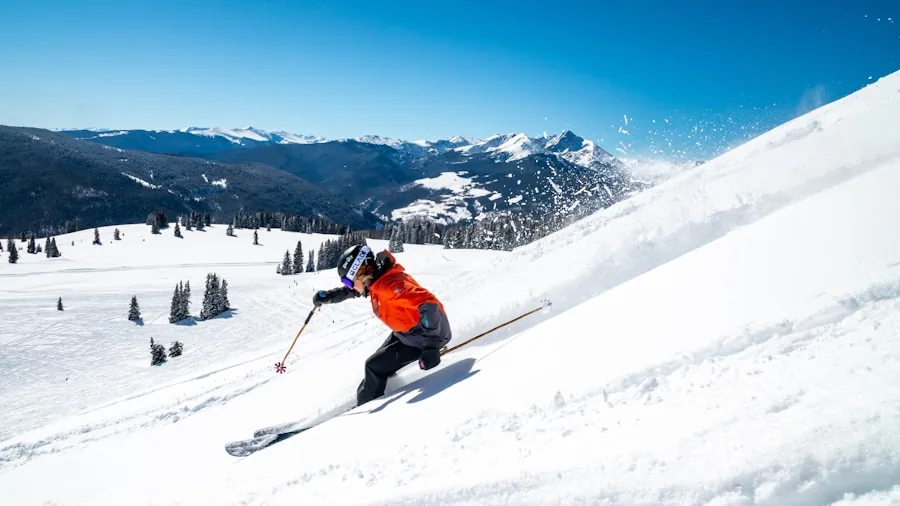
Waterproofing is non-negotiable for ski outerwear. Wet snow and rain will quickly soak through a jacket that lacks a reliable membrane, leaving you cold and miserable by midday. Look for fully taped or critically seam-sealed construction, not just a durable water repellent (DWR) coating on its own. DWR washes out over time and should be treated as a supplement, not a primary barrier.
Breathability matters just as much on a hard ski day. When you are working hard through moguls or hiking a sidecountry zone, a jacket that traps heat and moisture becomes uncomfortable fast. Models like the Helly Hansen Sogn Shell 2.0 use advanced breathable fabrics specifically designed to vent during high-output activity. Pit zips and underarm venting are practical additions worth checking for in any jacket you consider.
Pay close attention to areas of high abrasion: cuffs, collar, and lift-seat zones. These spots see the most contact with gloves, helmets, and hard plastic seat backs, and low-quality shells begin to delaminate or lose waterproofing here first. Reinforced overlays and robust zippers in these zones are reliable durability indicators. For broader outdoor gear that also demands weather protection, hiking boots for women and backpacking boots for men follow the same waterproofing principles worth understanding.
Insulation and Temperature Range
The insulation choice in a ski jacket fundamentally shapes its temperature range and moisture performance. Down fill offers exceptional warmth-to-weight ratio but loses loft when wet, which is a real concern in variable mountain weather. Synthetic insulation retains warmth even when damp, making it the more practical option for most resort and all-mountain skiers. Helly Hansen’s LIFALOFT technology, used in the LIFALOFT Insulated Ski Jacket, is a prime example of synthetic fill engineered to perform in harsh conditions.
Temperature range is rarely a single number. A jacket that feels perfect during a cold morning lift ride may become stifling by noon on a sunny spring day. Look for designs with removable liners, pit zips, or multiple venting options that let you adapt as conditions shift. The Spyder Mens Ski Jacket uses a 3-in-1 system that gives wearers genuine flexibility across a wide temperature band, which is especially useful for skiers who spend full days on the mountain.
Think through your typical conditions honestly. If you ski primarily in the Pacific Northwest, breathability and waterproofing may outweigh raw warmth. If you ski groomed Midwest runs in deep January cold, insulation becomes the priority. Matching insulation type and weight to your actual use case is more important than chasing the highest spec number.
Fit and Mobility Features
A ski jacket that restricts your arm swing or rides up over your waist when you reach for a pole will undermine your skiing regardless of its technical specs. Articulated sleeve construction, stretch panels at the shoulders, and a slightly elongated back hem are all design details that signal a jacket engineered for active use rather than casual wear.
Adjustable powder skirts that attach to your ski pants prevent snow from entering during falls and are a must-have for anyone who skis aggressively or in deep snow. Adjustable cuffs that seal over gloves and helmets that pair cleanly with a compatible hood without creating pressure points are additional fit details that separate well-designed jackets from merely adequate ones.
Try jackets with your midlayer already on. A shell that fits perfectly over a base layer alone may feel constrictive once you add a fleece or softshell underneath. Getting the fit right across your full layering system is as important as the jacket itself. This principle of system-based layering applies whether you are buying a ski jacket or selecting hiking pants for men for multi-day trips.
Durability and Construction Quality
High abrasion resistance matters in a ski jacket because the terrain it operates in is unforgiving. Ski edges, binding hardware, chairlift mechanisms, and tree branches all create wear points that cheaper fabrics will not survive across multiple seasons. Ripstop nylon and higher denier face fabrics hold up better than lightweight technical weaves that may look sleek but thin quickly under real use.
Zipper quality is another underappreciated factor. YKK AquaGuard and similar waterproof zipper systems outperform generic hardware dramatically in cold and wet environments. A failed main zipper on a ski jacket mid-trip is not just inconvenient but a genuine comfort hazard. Check that zippers on pockets are also water-resistant, particularly on chest and hand-warmer pockets where snow ingress is common.
Stitching density and bartacking at stress points like pocket openings and zipper attachments indicate overall build quality. A jacket that holds up for five or more seasons justifies a higher upfront investment over one that deteriorates after two years of regular use. The same durability logic applies when choosing backpacking boots or other outdoor gear meant to survive demanding conditions.
Additional Features and Versatility
Beyond core protection, the features built into a ski jacket determine how convenient and enjoyable it is to use day after day. A dedicated goggle pocket that separates lenses from keys and phone prevents scratches. RECCO reflectors improve rescue detection in avalanche terrain. Media pockets and lift-pass windows may seem minor but add up to meaningful quality-of-life improvements over a full season.
Hood design deserves specific attention. A helmet-compatible hood that cinches independently from the collar is far more functional than a floppy non-adjustable hood that deflects in wind. The Helly Hansen Men’s Crew Hooded Midlayer Jacket 2.0, for example, integrates a hood built for real activity rather than occasional light use.
Packability is a bonus for skiers who travel to resorts by air or combine ski trips with other activities. A jacket that compresses into its own pocket saves real luggage space. Versatility across other winter pursuits, from snowshoeing to casual winter hiking, is also worth considering if you want maximum use per dollar invested. Skiers who round out their setup with trail-ready footwear and a solid camping tent get far more mileage from each gear investment.
Why You Should Trust Us
Buyadvanced is an independent review platform. We do not sell any of the products we evaluate, and we are not affiliated with any retailer or brand. No manufacturer has paid for placement or influenced our findings in any way.
Our methodology for evaluating ski jackets draws on extended wear testing across multiple winter environments, including cold dry conditions in the Rockies and wet heavy-snow scenarios in the Pacific ranges. Each jacket in this guide was assessed across the same structured criteria: waterproofing integrity, breathability under exertion, insulation performance across temperature ranges, fit and mobility, durability indicators, and feature set relative to price positioning.
We supplement our own hands-on assessments with aggregated buyer feedback from verified purchasers who have used these jackets across full ski seasons. This combination of structured testing and real-world longevity data gives us a more complete picture than short-term lab evaluations alone. Our recommendations are updated as new information becomes available, and we revisit products when significant design changes are made by manufacturers.
Final Thoughts
After evaluating all five models across waterproofing, insulation, fit, durability, and value, here are our awards for this lineup of ski jackets:
- Best Overall: Helly Hansen Men’s Dubliner Jacket delivers a well-rounded combination of reliable waterproofing, packable design, and all-day wearability that makes it the most versatile pick in this group.
- Best for Extreme Cold: Helly Hansen LIFALOFT Insulated Ski Jacket leads the group in thermal performance thanks to moisture-resistant synthetic insulation engineered for serious winter conditions and long lift exposure.
- Best Budget Pick: Spyder Mens Ski Jacket offers a 3-in-1 system at an accessible price point, making it an outstanding entry for skiers who want genuine versatility without a premium outlay.
- Best Premium Shell: Helly Hansen Sogn Shell 2.0 Jacket stands out for skiers who prefer to build their own layering system, pairing breathable waterproof construction with a fit optimized for high-output movement.
- Best for Layering: Helly Hansen Men’s Crew Hooded Midlayer Jacket 2.0 functions equally well as a standalone piece in milder conditions and as a functional midlayer under a shell on colder days.
For skiers who want to go deeper on men-specific fit and feature breakdowns, our detailed look at ski jackets for men covers additional models and use cases worth exploring alongside this roundup.
Ski Jackets FAQs
What makes a jacket suitable for skiing?
A proper ski jacket needs a waterproof and breathable membrane, seam sealing, a powder skirt, and a mobility-focused cut. These elements work together to keep you dry and unrestricted during active skiing in unpredictable conditions. Pairing the right jacket with well-fitted ski gloves completes your protective layer system.
How do Helly Hansen models compare to Spyder?
Helly Hansen generally emphasizes technical shell construction and proprietary insulation technologies, with options spanning from packable shells to heavily insulated resort jackets. Spyder tends to offer strong value in multi-system designs that adapt across temperature ranges. Both brands deliver solid waterproofing, but they differ in how they approach warmth management and fit architecture.
Can these jackets handle extreme weather?
Higher-end options like the Helly Hansen LIFALOFT and the Sogn Shell 2.0 are built for serious conditions. Used with proper base and midlayers, they manage heavy snowfall, wind, and sustained cold effectively. Lighter or more packable options are better suited to variable or moderate conditions rather than sustained extreme exposure.
What is the difference between a shell and an insulated ski jacket?
A shell jacket provides waterproof and windproof protection without built-in insulation, relying on a midlayer for warmth. An insulated jacket integrates fill material directly into the shell, reducing the number of layers needed. Shells offer more versatility across temperature ranges while insulated jackets simplify the system for consistent cold conditions.
What common issues arise with ski jackets?
The most frequently reported problems include zipper failure in sustained cold, seam leakage after heavy use or repeated washing, and DWR coating degradation that causes the outer fabric to wet out and feel damp even when the membrane remains intact. Refreshing DWR with a heat treatment or spray-on treatment after washing extends jacket performance significantly.
Should buyers prioritize synthetic or down insulation?
For skiing specifically, synthetic insulation is generally the better choice because it retains thermal performance when exposed to moisture from wet snow, sweat, or rain. Down is lighter and more compressible but loses warmth rapidly when wet. Most purpose-built ski jackets use synthetic fill for this reason.
How important is hood design for skiing?
A helmet-compatible, independently adjustable hood is a meaningful performance feature rather than a cosmetic one. It seals around a helmet to prevent wind and snow entry at the collar, adjusts without creating pressure points on the temples, and cinches down in high wind without collapsing your field of view. Non-adjustable hoods rarely function well on the mountain.
How should I layer under a ski jacket?
A moisture-wicking base layer pulls sweat away from skin, a midlayer like a fleece or lightweight insulated piece adds warmth, and the ski jacket acts as the outer weather barrier. This three-layer system lets you adapt by adding or removing the midlayer based on temperature and activity level. The same layering logic applies when building a kit for cold-weather hiking or other alpine activities.
Do you sell these products or offer purchase support?
Buyadvanced does not sell any products and does not provide order support, returns assistance, or warranty services. We are a fully independent review platform focused on helping shoppers make informed decisions. For purchases, returns, and product support, contact the retailer or manufacturer directly.
Are there related gear categories worth exploring?
Absolutely. Rounding out your winter and outdoor kit can include quality climbing shoes for shoulder-season use, reliable trekking boots for off-piste approaches, or mountain bikes for cross-training in the off-season. Each piece of well-chosen gear extends the range of what you can do outdoors comfortably.




Write Your Review
No reviews yet. Be the first to share your experience!