
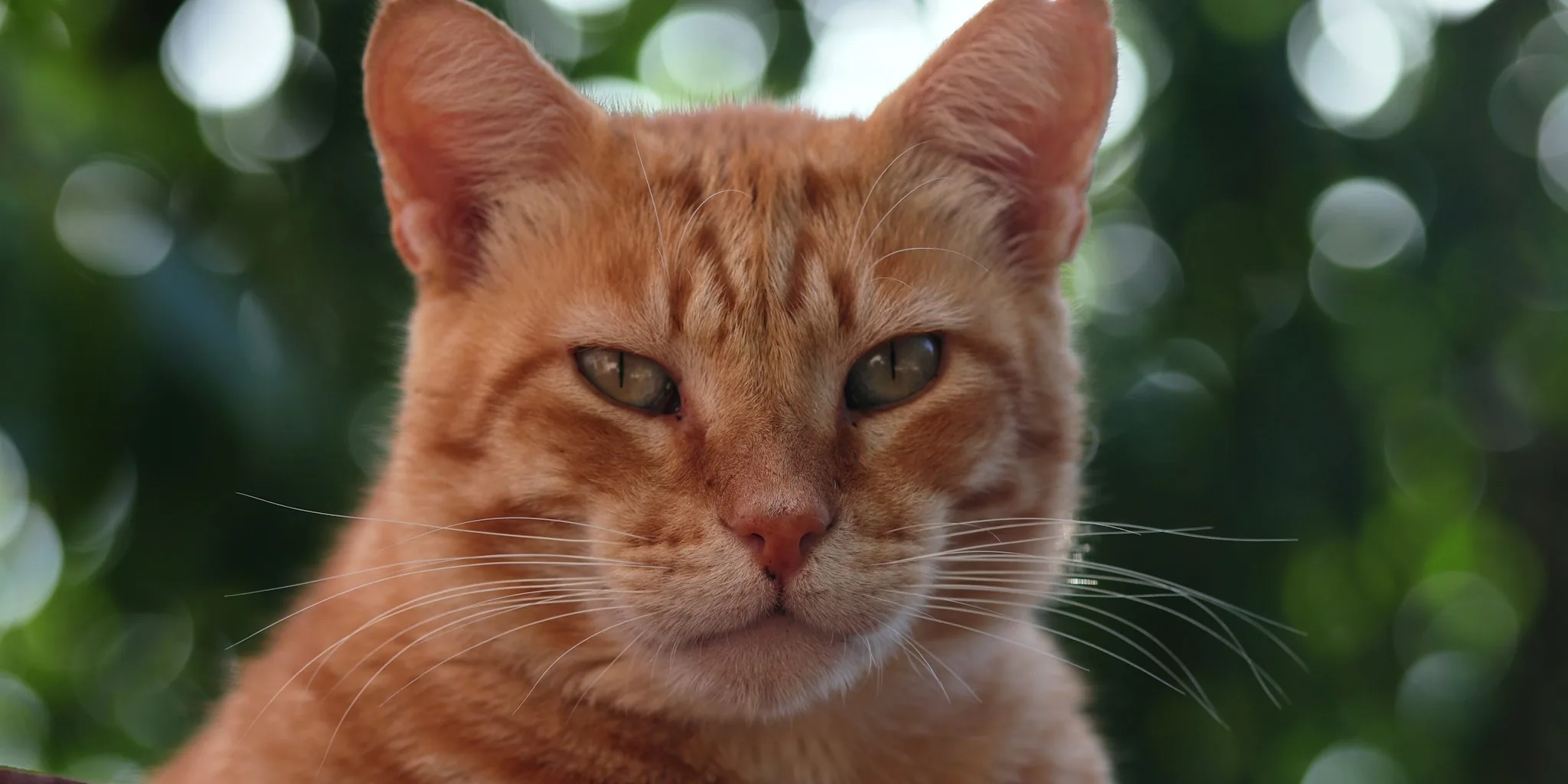

Scientists have discovered something fascinating about our feline companions: each cat’s purr is as distinctive as a fingerprint. Researchers from the Museum für Naturkunde Berlin and the University of Naples Federico II analyzed cat vocalizations and found that purrs contain enough individual characteristics to identify one cat from another. For pet owners who have always suspected their cat’s purr was special, this research offers scientific validation of what many of us already knew intuitively.
How Purrs Stand Out Among Cat Sounds
While researchers initially expected a cat’s meow to be the most identifying vocalization, they uncovered a surprising finding: purrs actually carry stronger individual identity signals than meows do. Meows are flexible and change depending on what a cat needs or what is happening around them, but purrs appear to maintain consistent, cat-specific characteristics.
You may already recognize your own cat’s purr without even seeing them. Some cats produce deep, motor-like rumbles, while others have soft, squeaky vocalizations. A few cats seem to turn their purr up to maximum volume the moment they climb onto your lap. These variations are not random. They appear to be tied to something fundamental about each individual cat’s identity and communication style.
Understanding What Purrs Really Mean
Many people assume purring simply means a cat is happy and content, and while that is often true, the reality is more nuanced. Kittens begin purring when they are only days old, using the sound to stay connected with their mother while nursing. This early bonding function suggests that purring is a deeply rooted communication behavior that extends well beyond contentment.
Cats can purr when they are stressed, uncomfortable, or seeking reassurance. The sound serves multiple purposes in feline communication, which is why noticing changes in your cat’s normal purr patterns could be valuable. Unlike the highly adaptable meow, the purr may preserve characteristics that are closely tied to the individual cat. This means that monitoring your cat’s typical purring sound could help you detect when something has changed.
Could Purr Analysis Become a Diagnostic Tool?
Researchers are now exploring whether vocal analysis might eventually help detect changes in a cat’s health or behavior. Scientists studying animal sounds are increasingly interested in whether vocalizations can provide clues about an animal’s stress level, welfare, or health status. If future research confirms that a cat’s purr remains relatively consistent over time, scientists may eventually develop ways to identify variations that correspond to pain, illness, stress, or aging.
This possibility is intriguing, especially as pattern recognition technology continues to evolve. However, it is important to note that we are not yet at the stage where purr analysis could serve as a veterinary diagnostic tool. Much more research is needed before such applications become practical. Still, paying closer attention to your cat’s vocalizations is a good habit to develop, particularly if you notice changes in how often or how intensely your cat purrs.
What This Means for Multi-Cat Households
The question of whether cats themselves can recognize each other through their purrs remains unanswered by current research. Although scientists have identified distinctive purr characteristics unique to individual cats, they have not yet determined whether cats interpret and use those differences when interacting with one another. If cats do recognize individuals through purrs, it would reveal something fascinating about how they identify familiar cats, including mothers, kittens, and companions that share their home.
Understanding your cat’s unique communication style can deepen the bond between you and your pet. Consider exploring premium cat food options that support your cat’s overall wellness, as nutrition plays a role in your cat’s vocal health and behavior. Many owners find that cats with optimal nutrition and care are more vocal and communicative with their families.
The Broader Picture of Feline Communication
Cats rely on multiple forms of communication beyond sound alone. Scent, body language, facial expressions, and various vocalizations all work together to convey information. Your cat’s purr is just one part of a complex communication system. The bigger cats, such as lions, tigers, and leopards, roar rather than purr due to differences in their hyoid bone structure. Their roars can be heard up to five miles away and convey information about territory, reproductive status, and dominance. Given this context, it seems entirely plausible that the purr of our smaller domestic companions contains more information than we have previously realized.
As a cat owner, you might consider investing in products that support your cat’s wellbeing and encourage natural behaviors. Quality water fountains and comfortable litter boxes create an environment where cats feel secure enough to express themselves vocally. Cats that feel safe and content are more likely to purr regularly, allowing you to establish a baseline for what their normal vocalizations sound like.
Moving Forward with Feline Research
This research reminds us that cats are far more complex communicators than we sometimes acknowledge. We have shared our homes with cats for thousands of years, yet we continue to discover new aspects of their behavior and communication. The next time you hear your cat’s familiar purr beside you, consider that you are hearing a sound unique to that individual cat. Pay attention to subtle variations, and do not hesitate to contact your veterinarian if your cat’s purring patterns change significantly. Science is still uncovering the secrets of our feline friends, and your everyday observations as a pet owner contribute to our collective understanding of these remarkable animals.






Write Your Review
No reviews yet. Be the first to share your experience!