


Understanding Body Recomposition
Body recomposition is a fitness approach that allows you to build muscle and lose fat simultaneously, rather than following the traditional cycle of bulking up and then cutting down. For example, a 190-pound person carrying 25 percent body fat could gain five pounds of muscle while losing five pounds of fat over six months, ending up at 195 pounds with a lower body fat percentage. The result is a leaner, more muscular appearance without the awkward in-between stages that come with conventional bulk-and-cut cycles.
This method challenges traditional fitness wisdom, which suggests you must choose between building muscle or losing fat. The trade-off is that you will not gain as much muscle as during a dedicated bulking phase, nor will you get as lean as quickly as during a strict cut. However, most people can still achieve meaningful progress in both directions when following the right program.
Two Essential Principles for Success
Maintain a Caloric Deficit
Weight loss fundamentally comes down to consuming fewer calories than your body burns. To support body recomposition, aim for a gradual deficit by eating about 250 calories below your maintenance level daily, which translates to losing roughly half a pound per week. This slower approach preserves your energy levels so you can still lift heavy weights and stimulate muscle growth.
Beyond diet alone, increase your daily movement through non-exercise activities. Take the stairs instead of elevators, schedule 30-minute walks each day, and pace during phone calls to boost your step count. Adding five to seven minutes of intense cardio after strength sessions using a rower, assault bike, or jump rope creates additional calorie burn without requiring extra time in the gym.
Prioritize Progressive Overload
Training is what triggers muscle growth. You must consistently push yourself to lift heavier weights or perform more reps each week. Progressive overload means systematically increasing your training frequency, volume, and intensity. When you lift the same weight for additional reps or add weight for the same rep count week after week, your body responds by building new muscle fibers, even while eating in a caloric deficit. When you grow stronger week after week, that data signals real muscle development alongside improved technique.
The Complete Four-Week Workout Structure
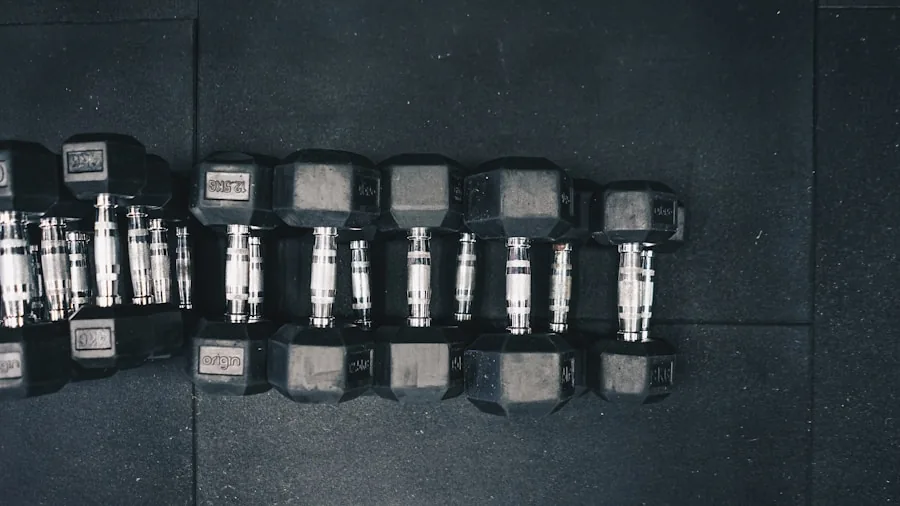
This program consists of four training days per week, split between lower body and upper body work. You perform only two to three warm-up sets of increasingly heavy weights before your working sets. For your primary exercise each day, increase the weight on your final set while reducing reps progressively across four weeks. For accessory movements, either add weight for the same reps or add one additional rep at the same weight if you are consistently hitting the lower end of the rep range. Rest periods matter: too short and fatigue prevents heavy lifting; too long and you lose momentum. Follow the prescribed rest times carefully to build muscle effectively.
Lower Body Days
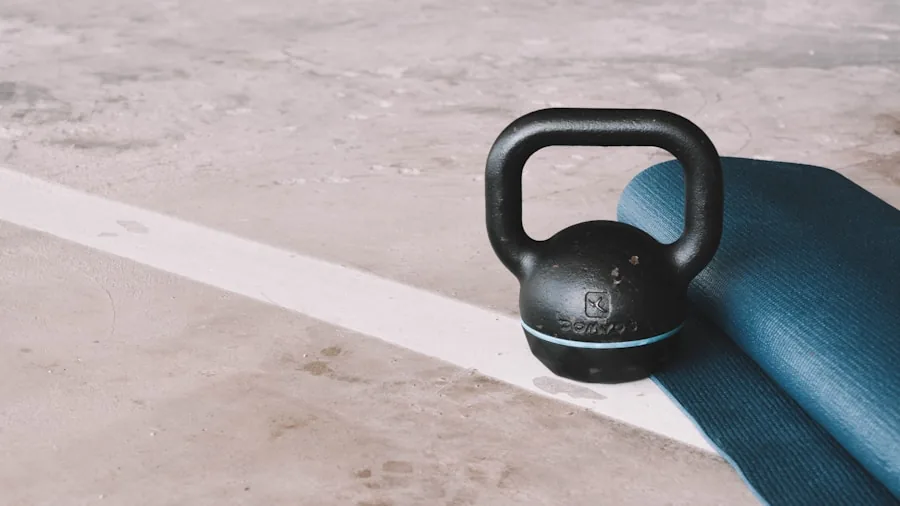
Workout 1 emphasizes the hip hinge pattern with barbell Romanian deadlifts targeting hamstrings and glutes, followed by dumbbell walking lunges for quad-dominant movement. Finish with a superset of leg extensions and seated leg curls to exhaust remaining muscle fibers. Workout 2 introduces the barbell split squat, lateral lunges to work movement in multiple planes, and kettlebell swings for explosive power development.
Upper Body Days
Workout 1 begins with heavy dumbbell rows to target your lats, followed by low-incline alternating dumbbell presses. Complete the session with a superset of dumbbell hammer curls and skull crushers for arm and forearm work. Workout 2 starts with incline dumbbell presses for comprehensive chest development. When shopping for the best workout shoes, prioritize stability and support since you will be handling heavy loads throughout these sessions.
Key Takeaways for Your Fitness Journey
This four-week plan requires only five hours of training per week, making it realistic for people with jobs, families, and other commitments. Success depends on eating in a caloric deficit while training hard with heavy weights and progressive overload. The combination of reduced calories, consistent heavy lifting, and increased daily movement creates the conditions for simultaneous muscle gain and fat loss.
Proper equipment supports this effort. Beyond workout apparel like quality workout shorts, invest in dumbbells, kettlebells, and access to machines if possible. Track your progress week to week by recording weights and reps, which provides clear evidence that your training is driving muscle growth even while you lose weight. This program delivers a realistic path to looking leaner and stronger without consuming your entire life, provided you stay consistent with both training and nutrition discipline.






Write Your Review
No reviews yet. Be the first to share your experience!