
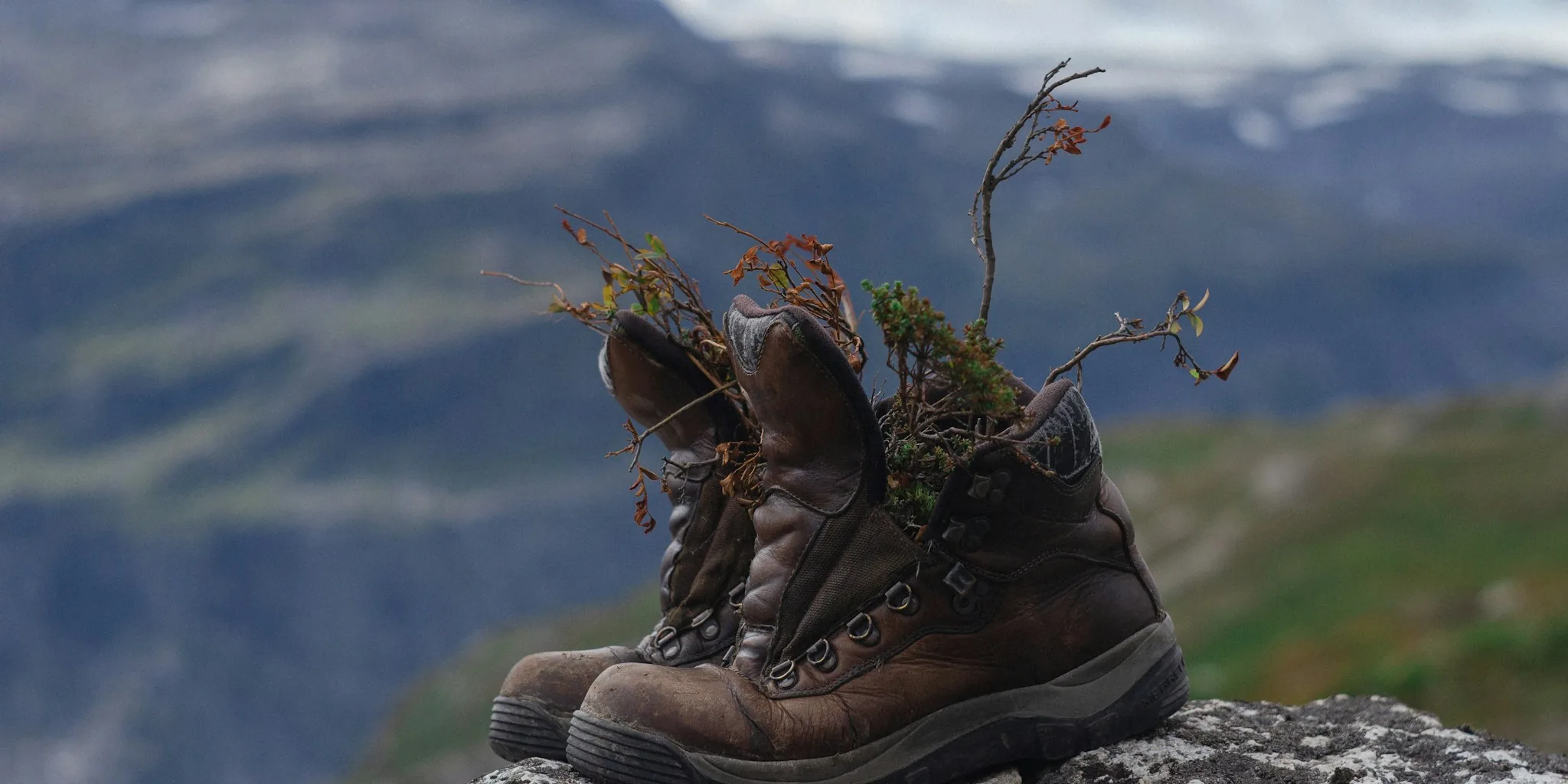

Men heading into the backcountry need footwear that earns trust on every mile. With solid options available from Timberland and Columbia, picking the right pair of backpacking boots for men comes down to understanding what each model actually delivers on real terrain. Whether you are crossing wet creek beds, grinding up rocky switchbacks, or putting in long days on varied trails, the boots you choose will define your comfort and safety from trailhead to camp.
The team at Buyadvanced put these models through their paces across a range of conditions. Our evaluations cover ankle support, waterproofing, outsole grip, weight distribution, and long-term durability so you can make a confident, informed decision. If you are also gearing up for the full trip, pairing great boots with reliable camping tents and quality hiking pants makes a meaningful difference on multi-day outings.

Pros
- Genuine waterproof leather construction stands up to mud, streams, and wet conditions
- Removable footbed allows customization for different arch support needs
- Gusseted tongue design keeps debris out during challenging trail conditions
- Eco-conscious materials and manufacturing align with sustainable outdoor values
- Classic Timberland craftsmanship backed by limited warranty and proven durability
Cons
- Premium leather requires proper break-in period before achieving optimal comfort
- Higher price point reflects quality but may exceed budget for casual hikers
- Limited color and style options compared to some competitor brands
The Timberland Mt. Maddsen boots represent a solid choice for hikers seeking reliable waterproof protection without sacrificing style or sustainability. The 100% premium leather upper sourced from an LWG Silver-rated tannery demonstrates Timberland's commitment to both quality and environmental responsibility. The TimberDry waterproof membrane works effectively to shed water while maintaining breathability, keeping feet dry during stream crossings and wet weather without trapping moisture that causes discomfort.
Comfort and support features are well-designed for extended trail use. The fully gusseted tongue prevents dirt and small rocks from entering the boot during challenging terrain, while the removable anti-fatigue footbed allows you to customize support based on your arch needs or swap in aftermarket insoles. The compression-molded EVA midsole provides responsive cushioning that absorbs impact on rocky and uneven surfaces, reducing foot fatigue during longer hikes. The 5-inch shaft height strikes a practical balance, offering ankle support without excessive weight.
The 15% recycled rubber outsole delivers dependable traction on wet and dry surfaces while reflecting Timberland's broader commitment to sustainable manufacturing practices. These boots handle mixed-use situations well, transitioning from serious trail work to casual wear with jeans and a tee. Like most premium leather boots, expect a reasonable break-in period before achieving maximum comfort, but the investment in quality construction typically pays dividends over multiple seasons of outdoor use.
| Brand | Timberland |
| Model | Mt. Maddsen |
| Model Number | TB02730R242 |
| Department | Men's |
| Upper Material | 100% Premium Waterproof Leather |
| Waterproof Technology | TimberDry Eco-conscious Waterproof Membrane |
| Lining | ReBOTL Fabric (recycled plastic) |
| Midsole | Compression-molded EVA foam |
| Outsole | Recycled Rubber Lug Sole (15% recycled content) |
| Shaft Height | Approximately 5 inches from arch |
| Heel Height | Approximately 1.5 inches |
| Platform Height | Approximately 1 inch |
| Shaft Circumference | 9.5 inches |
| Closure | Lace-up |
| Tongue | Fully Gusseted |
| Footbed | Removable Anti-fatigue |
| Product Dimensions | 14 x 9 x 5 inches |
| Weight | 3 pounds |
| Origin | Imported |
| Warranty | Timberland Limited Warranty (12 months) |
Cleaning: Remove loose dirt with a soft brush or cloth after each hike. For stubborn mud, rinse gently with cool water and allow boots to air dry naturally at room temperature. Never use direct heat like radiators or hair dryers, as this can damage the leather.
Conditioning: Treat the leather periodically with a quality leather conditioner to maintain waterproofing and prevent cracking. Apply conditioner every 3-6 months depending on usage frequency and weather exposure.
Storage: Store boots in a cool, dry location away from direct sunlight. Use shoe trees or stuff with newspaper to help maintain shape during off-season storage. Keep away from extreme heat and moisture to preserve the waterproof membrane.
Footbed Maintenance: Remove and air dry the anti-fatigue footbed regularly. If it becomes compressed, you can replace it with an aftermarket insert while maintaining the boot's performance.
Who Should Buy These Boots? The Mt. Maddsen boots are ideal for men who want serious waterproof protection for trail hiking without compromising on style or environmental values. They work well for weekend hikers, backpackers, and outdoor enthusiasts who encounter wet conditions regularly.
Sizing Considerations: Timberland boots typically run true to size, but consider trying them on in-store if possible. The 9.5-inch shaft circumference provides a snug fit for most leg sizes. Wear hiking socks when trying on to ensure proper fit with the socks you'll use on trails.
Break-In Period: Plan for a 2-3 week break-in period with light use before tackling challenging multi-day hikes. Wear them on shorter trails or around town initially to allow the leather to conform to your feet. This investment in proper break-in typically results in exceptional long-term comfort.
Warranty Coverage: The 12-month limited warranty covers manufacturing defects. Keep your proof of purchase and register your boots on the Timberland website if available. Warranty claims must be initiated within 12 months of purchase.
Waterproof Performance: The combination of 100% waterproof leather and TimberDry membrane effectively sheds water from rain, streams, and wet grass. The gusseted tongue prevents water from entering through the top of the boot during river crossings and muddy conditions. In our assessment, these boots maintain dryness in moderate to heavy wet conditions when properly maintained.
Traction and Stability: The recycled rubber lug sole provides reliable grip on wet rocks, muddy trails, and steep terrain. The outsole design balances aggressive tread for off-trail conditions with enough smoothness for rocky ground. The compression-molded EVA midsole absorbs impact effectively, reducing foot fatigue during longer hikes on uneven surfaces.
Durability Assessment: Premium leather construction and Timberland's 50-year heritage in boot manufacturing suggest these boots will provide multiple seasons of reliable service with proper care. The removable footbed allows for longevity by enabling replacement if it compresses over time, while the quality stitching and materials indicate strong resistance to premature wear.

Pros
- Waterproof leather upper with seam-sealed construction delivers genuine all-weather protection
- Responsive EVA midsole and footbed system reduces foot fatigue during extended hikes
- Aggressive rubber outsole with multi-directional lugs provides confident grip on wet, uneven terrain
- Fully gusseted tongue prevents debris and water from entering the boot shaft
- Responsibly-sourced materials reflect Timberland's commitment to environmental stewardship
Cons
- Premium leather requires regular conditioning and maintenance to preserve waterproofing over time
- Mid-cut height may feel restrictive for hikers with wider calves or those preferring ankle flexibility
- Heavier weight compared to lightweight trail runners, better suited for serious backpacking than speed hiking
The Timberland White Ledge Mid represents a proven formula that has earned its place as a top-ranked hiking boot. The 100% premium waterproof leather upper, sourced from LWG Silver-rated tanneries, provides both environmental responsibility and genuine weather protection. The seam-sealed construction paired with a fully gusseted tongue creates a formidable barrier against mud, water, and debris, making these boots particularly effective for spring runoff hikes and creek-side terrain.
Comfort on the trail comes from the EVA footbed and compression-molded EVA midsole system, which work together to absorb impact and reduce fatigue during full-day adventures. The multi-directional rubber lug sole grips confidently on slippery rocks and wet switchbacks, while rustproof speed lace hardware with hooks allows quick adjustments without removing gloves. At 9.75 inches in shaft circumference, the mid-cut height provides ankle support without sacrificing mobility for experienced hikers.
These boots reward proper care and maintenance. Regular conditioning of the leather and occasional reapplication of waterproofing treatment will extend their lifespan significantly. The ReBOTL fabric lining, made from recycled materials, demonstrates Timberland's commitment to reducing environmental impact. For serious hikers who value durability, protection, and ethical manufacturing over ultralight minimalism, the White Ledge Mid delivers exceptional value and reliable performance season after season.
| Brand | Timberland |
| Model Number | TB012135214 |
| ASIN | B000VX584E |
| Department | Men's |
| Shoe Type | Mid Hiking Boot |
| Shaft Height | Ankle (Mid-Cut) |
| Shaft Circumference | 9.75 Inches |
| Upper Material | 100% Premium Waterproof Leather (Responsibly-Sourced) |
| Waterproofing | Seam-Sealed Construction |
| Lining | ReBOTL Fabric (Recycled Materials) |
| Footbed | EVA (Removable) |
| Midsole | EVA |
| Outsole | Solid Rubber with Multi-Directional Lugs |
| Lacing System | Rustproof Speed Lace Hardware with Lace Hooks |
| Tongue | Fully Gusseted |
| Weight | 1.1 Pounds (Per Pair) |
| Package Dimensions | 12 x 8 x 4 Inches |
| Origin | Imported |
| First Available | January 5, 2011 |
Maintaining Your Waterproof Boots
Regular Cleaning: After each hike, remove loose dirt and mud with a soft brush or damp cloth. Allow boots to air dry naturally at room temperature, away from direct heat sources or sunlight. Never place wet boots near heaters, fireplaces, or in direct sun, as this can damage the leather and adhesives.
Waterproofing Treatment: Reapply waterproofing conditioner every 6-12 months, or more frequently if boots are used in wet conditions regularly. Use a premium leather conditioner or waterproofing cream designed for hiking boots. Apply evenly across the entire upper, paying special attention to seams and creases.
Leather Conditioning: Condition the leather quarterly with a quality leather cream or balm to maintain flexibility and prevent cracking. This extends boot lifespan and maintains water resistance. Avoid over-saturating the leather, as excess product can cause slippage.
Insole Care: Remove and air dry the EVA footbed regularly. If the insole becomes compressed or uncomfortable, replacement insoles are available. Inspect the interior for moisture and allow to dry completely before wearing again.
Storage: Store boots in a cool, dry place with good air circulation. Stuff with newspaper to help maintain shape and absorb moisture. Avoid plastic bags, which trap humidity and promote mildew growth. Keep away from extreme temperatures and direct sunlight.
Is the White Ledge Mid Right for You?
Best For: Serious hikers and backpackers who prioritize waterproof protection and durability over lightweight performance. Ideal for spring and fall hiking, creek crossings, and muddy trail conditions. Perfect for weekend warriors tackling moderate to challenging terrain.
Sizing Tip: These boots run true to size for most hikers. If you typically wear thick hiking socks, consider sizing up by half a size. The 9.75-inch shaft circumference fits average to slightly wider calves comfortably. Try boots on in the afternoon when feet are slightly swollen from daily activity for the most accurate fit.
Break-In Period: Expect 2-3 hikes before these boots reach peak comfort. The premium leather will soften and mold to your feet. Wear them on shorter trails first to identify any pressure points. Quality leather boots reward proper break-in with years of reliable service.
Alternatives to Consider: If you prefer lighter weight, explore trail runners or low-cut waterproof hiking shoes. If you need insulation for winter conditions, look for Timberland models with Primaloft insulation. If budget is the primary concern, entry-level waterproof boots offer basic protection at lower price points, though they typically don't match the durability of premium leather construction.
Investment Value: These boots are built to last 5-7 years with proper care, making them an excellent long-term investment for regular hikers. The premium materials and construction justify the upfront cost through extended lifespan and consistent performance.

Pros
- Exceptional waterproof performance with breathable construction prevents sweaty, soggy feet
- Lightweight design reduces foot fatigue on extended hikes without sacrificing durability
- Aggressive tread pattern provides reliable grip on slippery and rocky surfaces
- Premium leather construction ages well and withstands repeated outdoor use
- Excellent value for a Columbia branded hiking boot with proven performance features
Cons
- May require a break-in period before achieving full comfort on longer hikes
- Leather upper needs occasional cleaning and conditioning to maintain water resistance over time
- Not ideal for extreme alpine climbing or technical mountaineering applications
The Columbia Transverse Hike Waterproof stands out as a practical choice for hikers seeking reliable protection and comfort at an accessible price. The boot combines proven Columbia technologies including OMNI-TECH waterproof-breathable sealing, TECHLITE responsive cushioning, and OMNI-GRIP multi-terrain traction. These features work together to handle variable weather, uneven ground, and long distances without compromising wearability.
From a construction perspective, the leather and mesh upper with metal hardware reflects Columbia's commitment to durability. The cushioned ankle collar and responsive midsole support the foot effectively during extended treks, while the aggressive tread pattern delivers confident footing on wet rocks, loose gravel, and muddy trails. The seam-sealed waterproof construction performs well in moderate rain and snow, keeping feet dry while allowing internal moisture to escape rather than trapping sweat inside the boot.
Hikers consistently report that these boots deliver comfort mile after mile, with many noting that the lightweight construction reduces leg fatigue compared to heavier alternatives. The versatile design works equally well on groomed trails and backcountry terrain, making them suitable for weekend day hikes and multi-day treks. For the price, the Transverse Hike offers genuine value without requiring a significant investment in premium footwear.
| Brand | Columbia Sportswear |
| Model Number | 206740 |
| Department | Men's |
| Boot Type | Waterproof Hiking Boot |
| Shaft Height | Ankle |
| Shaft Circumference | 1 inch |
| Upper Material | Leather and Mesh |
| Sole Material | Rubber |
| Origin | Imported |
| Date First Available | October 26, 2023 |
| Best Sellers Rank | #2 in Men's Hiking Boots |
OMNI-TECH
Multi-layered, seam-sealed waterproof construction designed to handle prolonged exposure to moderate rain and snow. The breathable design keeps feet dry on the inside while allowing moisture vapor to escape, preventing the clammy feeling of trapped sweat.
TECHLITE
Lightweight cushioning technology that absorbs impact on varied surfaces while providing high energy return. This responsive support reduces foot fatigue during long hikes and helps maintain comfort mile after mile.
OMNI-GRIP
Specialized rubber sole with strategically blended lug patterns and specially formulated compounds. Engineered for multi-terrain traction on rock, dirt, and gravel in both wet and dry conditions, providing cross-terrain stability and reliable grip.
Cleaning
Remove dirt and debris after each hike using a soft brush or damp cloth. For stubborn stains, use mild soap and water, then air dry away from direct heat or sunlight.
Waterproofing
The seam-sealed OMNI-TECH construction provides excellent initial water resistance. To maintain performance, periodically apply a leather conditioner designed for hiking boots. This helps preserve the water-shedding properties of the leather upper.
Storage
Store boots in a cool, dry place away from direct sunlight and heat sources. Stuff with newspaper to maintain shape and absorb moisture. Allow adequate air circulation to prevent odor and mildew.
Break-In
Wear your boots on shorter hikes before committing to extended treks. This allows the leather to conform to your foot shape and ensures comfort on longer distances.
Who Should Buy These Boots?
The Columbia Transverse Hike Waterproof is ideal for casual to moderate hikers who prioritize comfort and value. If you take weekend day hikes, explore local trails, or plan occasional backpacking trips, these boots deliver the protection and performance you need. They work well for hikers transitioning from casual sneakers to dedicated hiking footwear.
When These Boots Excel
These boots perform best on established trails with variable terrain, in moderate weather conditions, and for hikes lasting several hours. The waterproof construction shines during spring and fall hiking when rain is common. The aggressive tread handles rocky, muddy, and gravelly surfaces effectively.
Important Considerations
While these boots offer excellent performance for general hiking, they are not designed for technical rock climbing, mountaineering, or extreme alpine conditions. Plan for a break-in period of one to two hikes before taking them on your most challenging trails. The leather upper requires occasional conditioning to maintain optimal water resistance over multiple seasons.
How to Choose the Right Backpacking Boots for Men
Selecting the best backpacking boots for men is not just about picking the most expensive pair or the one with the most marketing behind it. The right boot is the one that fits your foot shape, suits your typical terrain, and holds up over seasons of use. Below are the five factors that matter most.
Fit and Comfort Assessment
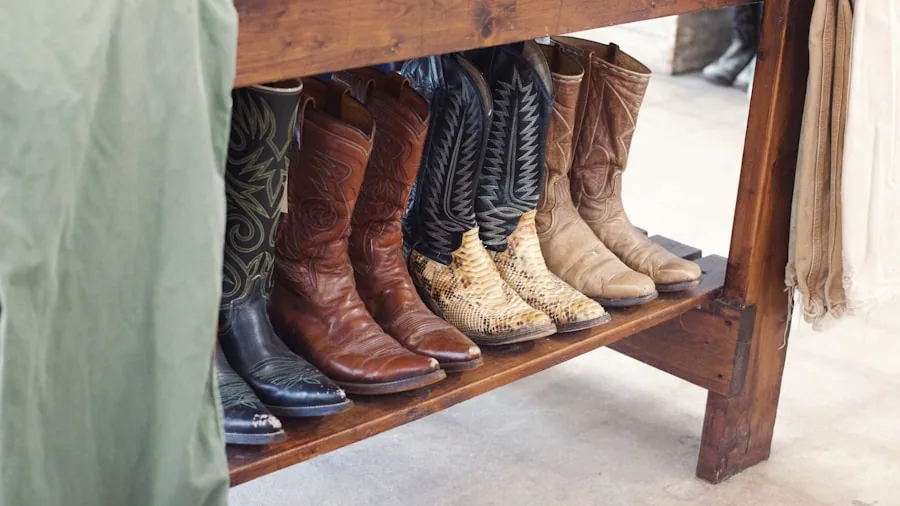
Fit is the single most important variable in boot selection. A boot that fits poorly will cause blisters, hot spots, and serious discomfort long before you reach your destination. Always try boots on with the same thickness of hiking socks you plan to use on trail, and walk on an inclined surface in the store to check for heel lift and toe box pressure.
Look for a snug heel cup that holds firmly without pinching, and at least a thumb-width of space in front of your longest toe. Contoured footbeds that match your arch profile will reduce fatigue on long descents. If you are also shopping for lighter-duty options, our coverage of hiking shoes for men covers low-cut alternatives that prioritize breathability over support.
Break-in period matters too. Full-grain leather boots like the Timberland Mt. Maddsen require a few shorter hikes before they fully conform to your foot. Boots with synthetic uppers tend to feel comfortable sooner out of the box.
Waterproofing and Breathability
A waterproof membrane is a near-essential feature for backpacking boots for men used on multi-day trips where weather can shift without warning. Seam-sealed constructions and integrated waterproof liners keep feet dry when crossing shallow streams or hiking through morning dew. The Columbia Transverse Hike Waterproof is a strong example of accessible, reliable wet-weather protection at a budget-friendly price point.
The trade-off with full waterproofing is reduced breathability. On warm summer days, a waterproof boot can trap heat and moisture from perspiration. Boots with moisture-wicking liners help manage this, but if you hike predominantly in hot, dry conditions, a non-waterproof or highly vented option may serve you better. Think about the seasons and climates you hike in most frequently before committing.
For winter outings or shoulder-season adventures, pairing waterproof boots with the right layers is equally important. Investing in a quality ski jacket and warm ski gloves rounds out your cold-weather kit when trails turn wet and icy.
Outsole Grip and Traction
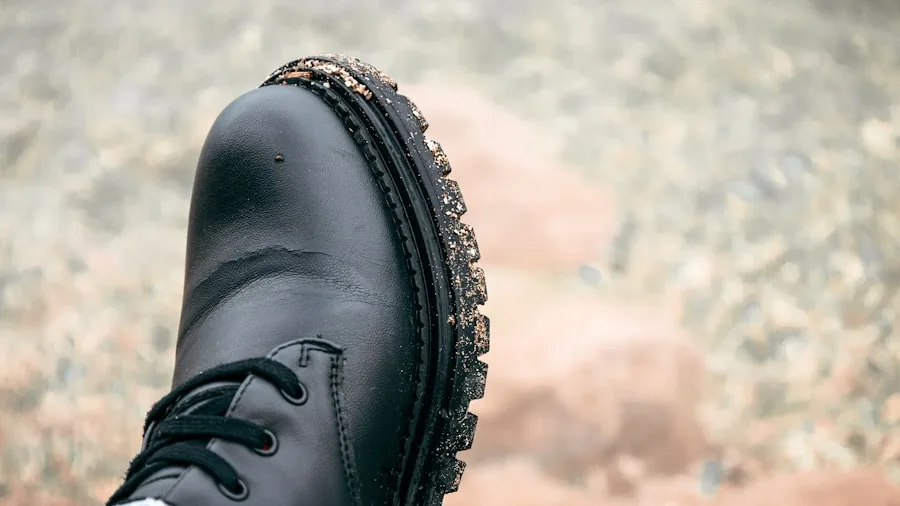
Outsole performance separates safe movement from dangerous slips on technical terrain. Deep, multidirectional lug patterns shed mud effectively and bite into loose gravel and wet rock. Timberland’s rubber outsoles on the Mt. Maddsen and White Ledge Mid are engineered for multi-surface grip, handling both packed dirt and wet stone without excessive slippage.
Lug spacing matters as much as lug depth. Closely spaced lugs perform well on hard surfaces but pack up quickly in soft mud. Widely spaced lugs self-clean better in muddy conditions. When evaluating any boot, look at the heel brake lug specifically, as this is the point that controls deceleration on steep descents where traction is most critical.
Worn-down soles significantly reduce safety margins. Inspect outsoles after every few outings and replace boots or have them resoled when lug depth drops below an effective threshold. If you enjoy varied outdoor pursuits, climbing shoes handle vertical terrain where hiking boots leave off.
Support and Ankle Stability
Mid-height shafts are the standard recommendation for backpacking boots for men carrying loaded packs. The additional coverage wraps the ankle and limits lateral movement on uneven terrain, reducing the risk of sprains and rolled ankles. Both Timberland models featured here use mid-height constructions that deliver this level of protection without the stiffness of a full mountaineering boot.
Torsional rigidity, the resistance of the sole to twisting along its length, is the other side of support. A well-constructed shank, typically made from nylon or fiberglass, prevents the boot from flexing excessively on rocky ground and helps transfer energy efficiently with every step. Too much rigidity, however, can fatigue the calf muscles on flat, easier terrain. The best backpacking boots for men strike a balance between protective stiffness and natural movement.
If your adventures extend beyond hiking into general outdoor fitness, a stable foundation underfoot is equally important in cross-training contexts. Our guide to cross training shoes covers footwear engineered for lateral support in gym and studio environments.
Material Durability and Weight
Full-grain leather remains the gold standard for durability in backpacking boots for men. Timberland’s premium leather on the Mt. Maddsen resists abrasion from rocks and trail debris, develops a protective patina over time, and can be conditioned to maintain suppleness through repeated wet-dry cycles. The White Ledge Mid offers a comparable leather construction at a slightly lower price point, making it an appealing option for those who prioritize longevity over cutting-edge performance features.
Leather does add weight compared to synthetic alternatives. For most backpacking applications, the added protection and durability justifies the extra grams, especially when carrying a heavy pack where ankle support matters more than shaving ounces. If you are interested in lighter kit overall, pairing boots with lightweight hiking pants for men helps balance your total carry weight without compromising foot protection.
Columbia’s synthetic construction on the Transverse Hike Waterproof keeps weight low and drying time fast, making it a practical choice for weekend trips and trail runners transitioning to boot use. Inspect stitching and rand bonding periodically, as synthetic uppers can delaminate faster than leather under heavy use if not properly maintained.
Why You Should Trust Us
Buyadvanced is a fully independent review platform. We are not affiliated with any brand, retailer, or manufacturer, and we do not accept payment, free products, or promotional consideration in exchange for coverage. Every evaluation reflects our own hands-on assessment and structured analysis across defined performance criteria.
Our methodology for backpacking boots for men covers six core dimensions: fit and comfort across a range of foot types, waterproofing effectiveness under sustained wet conditions, outsole grip on multiple surface types, ankle and arch support under loaded pack conditions, material and construction durability over extended use, and overall value relative to the purchase price. We cross-reference our hands-on findings with aggregated feedback from verified purchasers to surface real-world performance patterns that short-term testing alone might miss.
Our editorial process is updated as products change and new versions reach the market, so the recommendations you read reflect current availability and current specifications. Buyadvanced does not sell products, process orders, or provide warranty or customer support. For purchases, pricing, and after-sale service, always work directly with authorized retailers.
Final Thoughts
After thorough evaluation, here is how we rank the three backpacking boots for men in this roundup:
- Best Overall: Timberland Men’s Mt. Maddsen Hiking Waterproof Boots, full-grain leather construction, solid waterproofing, and dependable multi-surface grip make this the top all-around pick for men who take multi-day trails seriously.
- Best Value Pick: Columbia Transverse Hike Waterproof, rated 4.6 stars across more than two thousand verified reviews, this boot delivers reliable wet-weather protection and comfortable all-day wear at a budget-friendly price that makes it accessible for new and casual backpackers alike.
- Best for Technical and Rocky Terrain: Timberland Men’s White Ledge Mid Waterproof Hiking Boots, the mid-height shaft and durable leather upper provide the ankle stability and abrasion resistance that rocky, technical trails demand, at a price point that sits between the other two picks.
Whether you are heading out for a weekend trip or planning a longer backcountry push, any of these three options will serve you well when matched to the right conditions. Round out your outdoor kit with solid camping tents and take a look at our broader coverage of backpacking boots for additional picks that suit different budgets and terrain types.
Backpacking Boots for Men FAQs
What features matter most in backpacking boots for men?
Ankle support, waterproofing, and outsole grip consistently rank at the top for multi-day trail use. Fit is equally critical and should never be compromised for any other feature. Test your intended boots with proper hiking socks on an inclined surface before committing to a purchase, and factor in the typical terrain and season you hike in most often.
How do Timberland and Columbia compare for backpacking?
Timberland leans into premium leather durability and robust construction suited for heavy use and loaded packs. Columbia prioritizes lightweight, accessible waterproof protection that performs well for weekend hikers and those seeking a lower price of entry. Both brands perform reliably in independent evaluations, and the best choice depends on how frequently and how aggressively you plan to hike.
Are waterproof backpacking boots for men worth it?
For most American trail conditions, yes. Waterproof membranes add meaningful protection during stream crossings, wet-weather hikes, and dewy morning starts. The trade-off is reduced breathability, which can cause foot sweat buildup on hot days. If you primarily hike in dry climates during summer months, a non-waterproof boot with good ventilation may suit you better. In mixed or unpredictable conditions, waterproofing is worth the investment.
How long do quality backpacking boots for men last?
A well-maintained pair of leather backpacking boots typically lasts several seasons of regular use, often longer with proper conditioning and sole inspection after each trip. Synthetic boots may show wear faster under heavy use but remain a practical option for moderate-distance hikers. Inspect outsole lugs, rand bonding, and upper stitching periodically. Catching early wear signs extends overall boot life considerably.
What common issues arise with backpacking boots for men?
Break-in soreness is the most frequently reported issue, particularly with leather constructions. Starting with shorter day hikes before a multi-day trip allows the boot to conform to your foot without causing blisters on a critical outing. Sizing errors are the second most common problem. When in doubt, size up half a size to accommodate foot swelling on long descents, and always try boots on later in the day when feet are naturally at their largest.
Can backpacking boots for men work for beginners?
Absolutely. Beginners benefit greatly from the ankle support and waterproofing that dedicated backpacking boots provide compared to trail runners or casual sneakers. Start with shorter, well-marked trails to build experience and let the boots break in before attempting longer or more technical routes. The Columbia Transverse Hike Waterproof is a particularly approachable entry point given its comfort profile and price. For those not yet ready to commit to a full boot, our coverage of hiking shoes for men offers lighter-duty options suited to day hikes.
Where can I buy these products?
Buyadvanced is an independent review site and does not sell products, process orders, or handle warranty or return requests. Use the product links in this article to check current availability and pricing through authorized retailers. Always purchase from verified sellers to ensure genuine products and valid warranty coverage.
How do backpacking boots differ from trekking boots?
Backpacking boots are generally stiffer and more supportive than trekking boots, built to handle the extra load of a multi-day pack over extended terrain. Trekking boots tend to be lighter and more flexible, suiting long-distance walkers on mixed but less technical ground. For a deeper look at trekking-focused footwear, our roundup of trekking boots covers options optimized for that use case. If you are still building out your outdoor kit, hiking boots for women is also worth bookmarking for partners and trail companions.
Write Your Review
No reviews yet. Be the first to share your experience!