
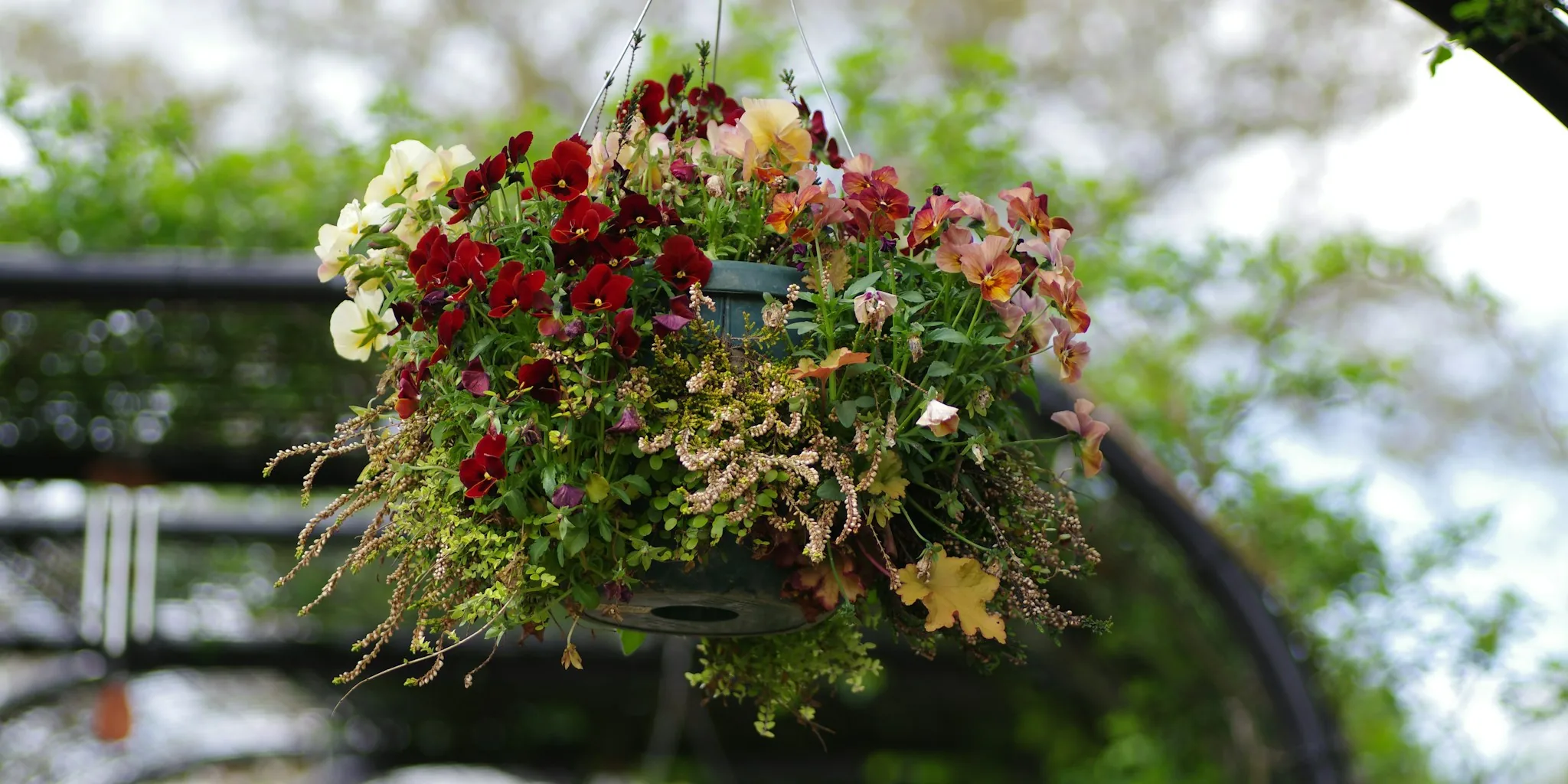

As summer winds down, most gardeners pack away their hanging baskets for the season. But a growing number of plant enthusiasts are discovering that fall and winter hanging displays can be just as stunning, and in some cases, even more impressive. If you’re considering starting your own autumn container garden, here’s what you need to know to make it a success.
Why Fall Baskets Are Different from Summer Displays
The key difference between a summer hanging basket and a fall one comes down to plant selection and timing. Summer baskets rely on tender annuals that thrive in heat, while fall baskets use cool-hardy perennials, ornamental grasses, and cold-season bloomers that actually perform better as temperatures drop. This shift in plant choice means shoppers need to think differently about their container strategy from the very first purchase.
Timing matters enormously. Planting your basket in September gives the plants enough warm weather to establish strong root systems before the cold arrives. By the time frost hits, your plants will be resilient enough to handle the harsh conditions of hanging in an exposed location.
Selecting the Right Basket Size and Liners
Here’s where many first-time fall basket planters go wrong: they use the same size basket they would for summer. Since many fall plants are perennials with larger root systems than typical summer bedding plants, you’ll want to upgrade your basket size. Look for containers that are 16 to 20 inches in diameter, up from the standard 12 to 14 inches used for summer displays. The larger volume provides better insulation and root protection as soil freezes more quickly in hanging baskets than in ground beds.
The standard coco coir liner that comes with most baskets will hold soil and offer some insulation, but it’s porous and won’t protect against the drying effects of fall winds. Adding a second waterproof liner, such as sturdy plastic cut from an old compost bag, creates a barrier that reduces moisture loss without compromising drainage. Cut drainage holes throughout the plastic to maintain proper water flow and prevent waterlogging during heavy autumn rains.
Building Your Plant Combination
The most successful fall hanging baskets follow a three-part planting strategy: thrillers, fillers, and spillers.
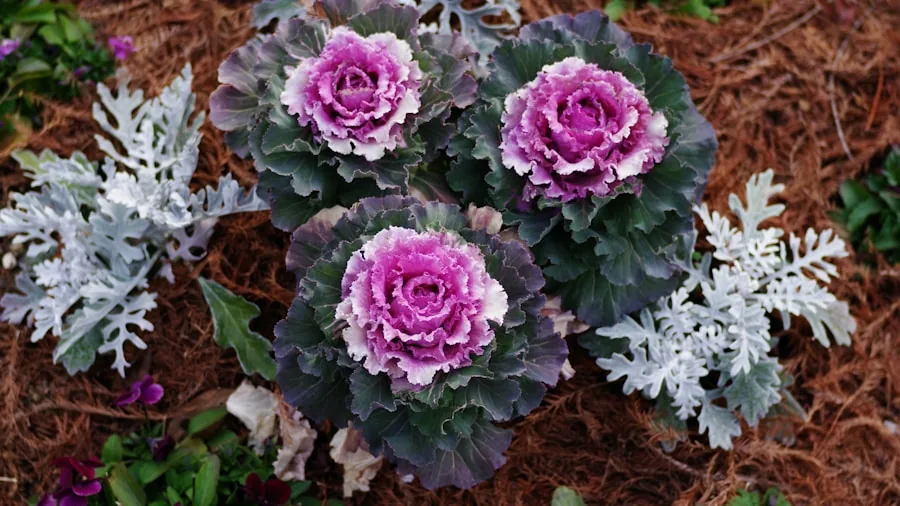
Thrillers are your statement plants, positioned in the center to draw the eye. Choose compact, cold-hardy options like Scotch heather varieties or ornamental kale that bring both color and texture. Small heuchera selections offer striking foliage that remains attractive throughout the colder months.
Fillers surround your thriller and provide abundant blooms or foliage. Cool Wave pansies planted in September will begin flowering in October and continue until May. Evergreen carex grasses add architectural interest with their arching, ornamental leaves, and varieties like Evergold feature appealing golden stripes that brighten the display.
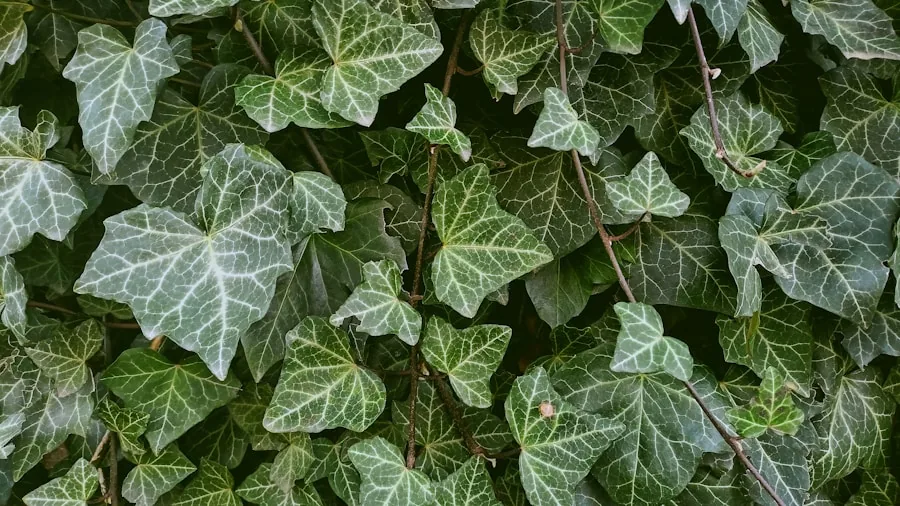
Spillers cascade over the sides for that classic hanging basket effect. English ivy varieties create dramatic waterfalls of foliage that remain lush all winter. For something different, consider Ajuga reptans, which creates artful trailing stems while performing well in cool weather. To learn more about maximizing your fall containers, check out additional strategies for keeping cool season plants looking their best.
Soil, Feeding, and Ongoing Care
Use enriched potting soil specifically formulated for containers, ideally one that already contains slow-release fertilizer. If you opt for standard potting mix, add a granular slow-release plant food to fuel the generous display your basket will provide.
Fill your double-lined basket halfway with prepared potting mix, then arrange your plants, and top up with additional soil, leaving about half an inch below the rim for easier watering. Water thoroughly after planting and maintain consistent moisture throughout the season, especially on windy fall days when soil dries quickly.
As the season progresses, pinch off faded pansy blooms to encourage continued flowering. If a prolonged cold snap arrives, move the basket to a more sheltered location temporarily. This simple step can extend your display well into winter and even spring. Adding seasonal decorations like mini gourds in fall and pinecones later in the season adds extra charm without requiring additional plant purchases.
What This Means for Shoppers
The shift toward fall hanging baskets represents an opportunity to extend your gardening season and enjoy color when most other plants have faded. It also means investing in slightly larger containers and prioritizing different plant varieties than you might have purchased in summer. By starting your project in September with the right plants and proper setup, you’re setting yourself up for months of stunning visual interest. Choosing perennial plants for your displays offers long-term value compared to annuals, and fall baskets showcase this advantage beautifully.


Write Your Review
No reviews yet. Be the first to share your experience!