
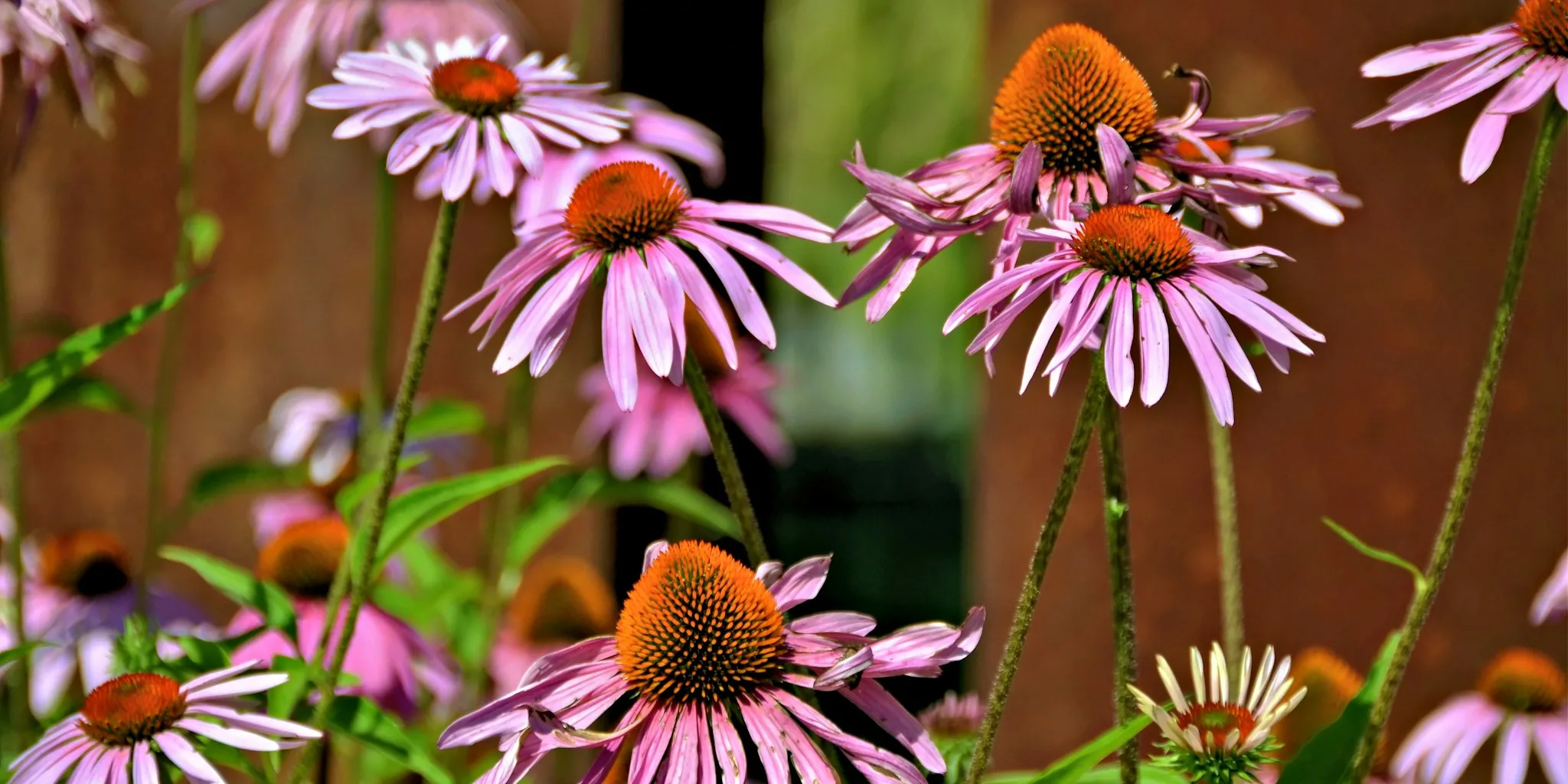

If you’re tired of replanting flower beds every spring and watching your garden budget grow along with your workload, it’s time to reconsider your flower strategy. Gardeners across the country are discovering that many beloved annual blooms have perennial cousins that return year after year with minimal effort and maximum visual impact. This shift represents a smarter, more sustainable approach to home gardening that delivers better results while reducing both labor and expense.
Why Perennial Plants Change the Game for Home Gardeners
The main advantage of switching from annuals to perennials is straightforward: you plant once and enjoy flowers for years. Annual flowers complete their entire life cycle in a single season, requiring you to purchase new seeds or seedlings each spring. Perennials establish deep root systems that survive winter dormancy and return stronger each year, producing more blooms with less intervention. This means fewer trips to the garden center, lower seed costs, and dramatically reduced planting time each season.
Beyond economics, perennial plants create more resilient gardens. Many varieties are bred for disease resistance, pest resilience, and tolerance to poor soil conditions. Unlike annuals that may struggle in your specific microclimate, perennials adapted to your hardiness zone are virtually guaranteed to thrive.
Ten Annual-to-Perennial Swaps You Should Consider
Sweet Pea and Sunflower
Everlasting sweet pea (Lathyrus latifolius) blooms from midsummer until frost in zones 5-9 and tolerates poor soil beautifully. The trade-off is scent: you lose the fragrance of annual sweet peas, but gain reliable color in pinks, magenta, and red year after year. Similarly, perennial sunflowers like Helianthus maximiliani grow 6 to 8 feet tall and flower continuously from midsummer to frost in zones 3-9, eliminating the annual replanting chore entirely.
Poppies and Cosmos
Oriental poppies (Papaver orientale) deliver bigger flowers and longer vase life than their annual cousins, with robust seedpods that dry beautifully for arrangements. Chocolate cosmos (Cosmos atrosanguineus) is a dark, sensuous perennial that thrives in zones 9-11 and produces blooms all summer with a remarkable chocolate fragrance. It grows well in containers, making it easy to overwinter in cooler climates.
Foxgloves and Black-Eyed Susan
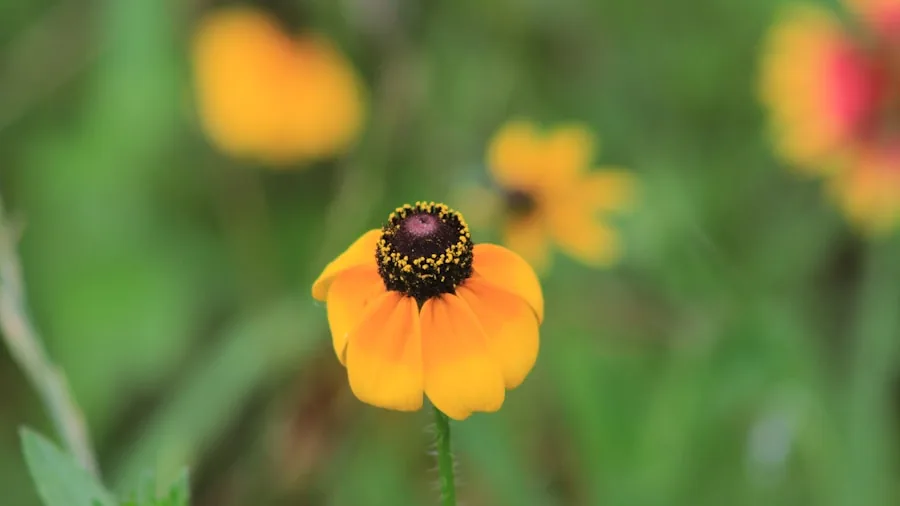
Perennial foxgloves like the large yellow variety (Digitalis grandiflora) flower reliably for five years or more in zones 3-8, skipping the biennial wait for blooms. Black-eyed Susan (Rudbeckia fulgida) offers multiple cultivars, with the 2023 Perennial Plant of the Year ‘American Gold Rush’ delivering mounds of golden flowers through frost in zones 3-8. Plant these 6 bulbs in September for fast fall color to complement your perennial flowers.
Candytuft and Coreopsis
Perennial candytuft (Iberis sempervirens) provides dense, evergreen ground cover with white flowers from March through June in zones 3-8. Lance-leaf coreopsis (Coreopsis lanceolata) is native to North America and thrives in poor soil while tolerating heat and drought once established. Cultivars like ‘Sunburst’ offer more dramatic, long-lasting blooms than the annual version.
Baby’s Breath and Marigold
Festival Star baby’s breath (Gypsophila paniculata) reaches just 18 inches tall and blooms from late spring through early fall in zones 3-9, covering dying bulb foliage with clouds of tiny white flowers. Mexican bush marigold (Tagetes lemmonii) deters garden pests through its citrusy mint-scented foliage and grows 3 to 6 feet tall in zones 8-10, though most gardeners grow it in containers for easy overwintering. Prune these plants in September for fall garden health to maintain shape and encourage fuller growth.
Making the Switch: What to Know Before You Buy
Transitioning to perennials requires patience and initial planning. While you’ll see immediate results from some varieties, others may spend their first season establishing roots rather than flowering. This investment pays dividends starting in year two, when your garden essentially runs on autopilot. Extend container blooms into fall with tomato feed to keep both annual and perennial potted flowers producing longer into the season.
Check your hardiness zone before purchasing any perennial plant. Most varieties have specific zone requirements; a plant rated for zones 6-9 simply won’t survive in colder climates. However, many gardeners successfully grow tender perennials in containers by moving them indoors or to sheltered spots during winter.
Start with a few varieties that match your garden style and climate. Success breeds confidence, and soon you’ll replace more and more annuals with these reliable performers. Your garden will thank you with more blooms, less work, and a healthier bottom line.






Write Your Review
No reviews yet. Be the first to share your experience!