
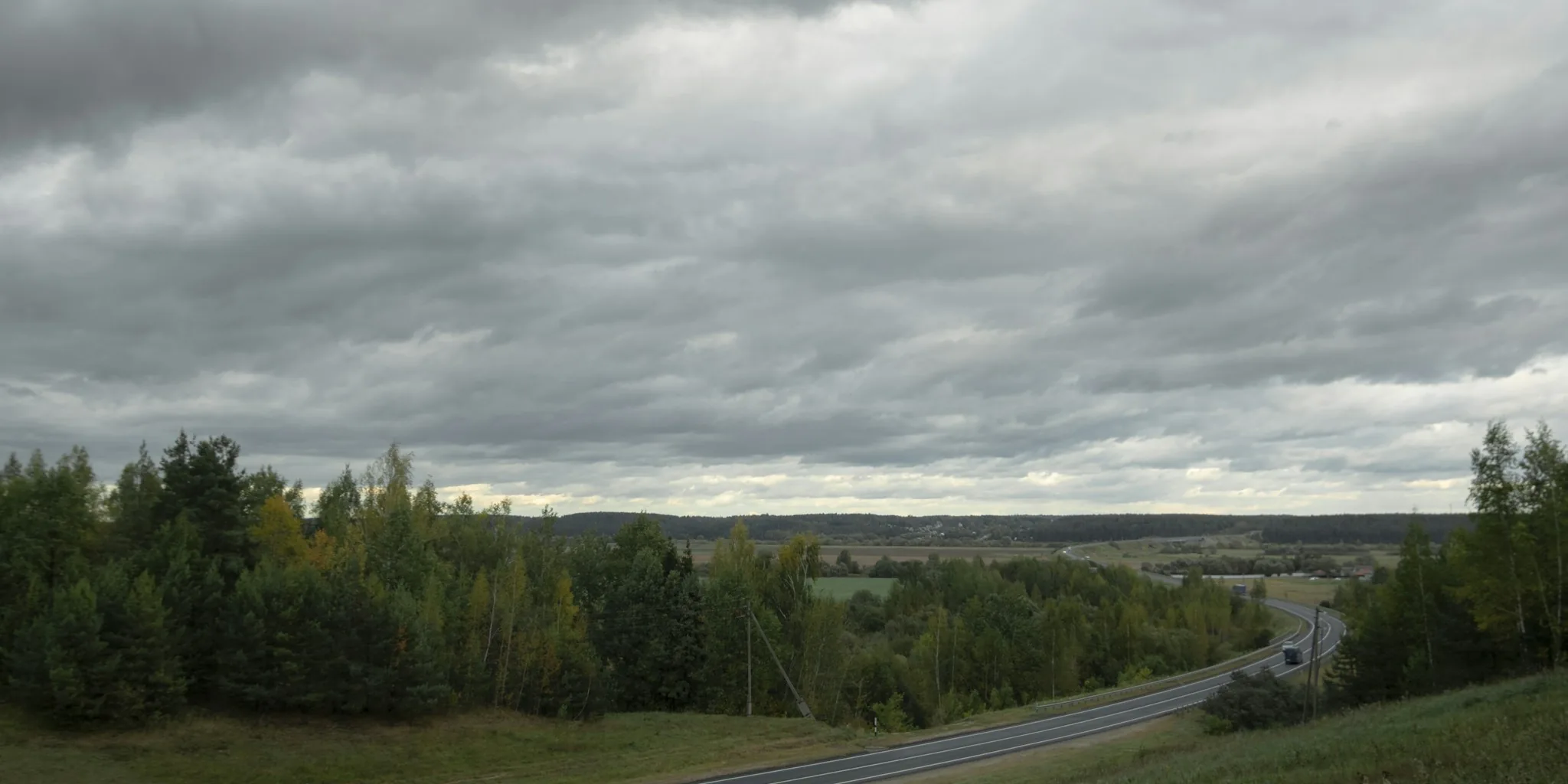

As summer heat fades into autumn, many gardeners notice their landscapes losing the vibrant energy they had just weeks before. If your garden is looking exhausted by September, the good news is simple: strategic plant choices can transform your outdoor space without a complete overhaul. Native prairie plants are specifically adapted to shine during fall months, offering spectacular color, low maintenance requirements, and genuine ecological value to your yard.
Prairie gardens peak in late summer and early fall when native grasses shift into warm bronze and copper tones, and late-blooming perennials create an explosion of color. These plants thrive in full sun, handle drought conditions with ease, and require far less fertilizer and water than many conventional garden favorites. For shoppers looking to refresh tired garden beds, understanding which prairie plants deliver the most dramatic autumn impact makes the investment worthwhile.
Narrowleaf Bluestar: Spring Bloom and Fall Gold
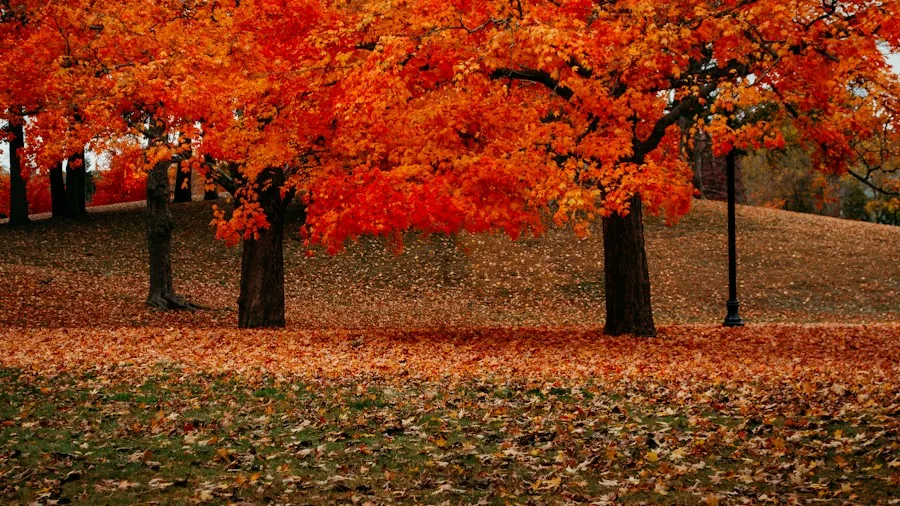
Narrowleaf bluestar, also known as Asmonia, ranks among the most rewarding native perennials for year-round interest. In spring, it produces delicate clusters of pale blue star-shaped flowers that contrast beautifully with fresh green foliage. The real magic happens in September and October when the feathery leaves transform into brilliant golden-orange shades that literally glow in slanting sunlight.
This perennial thrives in full sun and average soil with minimal care. If stems become leggy after spring blooms fade, a simple trim helps maintain compact shape. Bluestars attract swallowtail butterflies and other pollinators throughout the season, making them ecologically sound choices. Mass plantings create particularly stunning displays when paired with ornamental grasses and black-eyed Susans.
Asters: The Quintessential Fall Flower
No autumn garden feels complete without asters. These late-season perennials are indigenous to prairie ecosystems and paint wild meadows in vibrant purples and blues throughout September and October. Their star-shaped flowers bloom in dense clusters, creating substantial texture and color impact in garden beds and containers alike.
Asters serve as critical fuel sources for pollinators including monarch butterflies and native bees, providing essential nectar right up until the first hard frost. Plant them in full sun with well-draining soil and position them near contrasting blooms like goldenrod for maximum visual drama. Three-packs of aster plants are widely available for direct garden installation or container planting before fall transplanting.
Goldenrod: Beauty Beyond the Allergy Myth
Many gardeners hesitate to plant goldenrod, mistakenly believing it causes fall allergies. The real culprit is ragweed. Goldenrod deserves a permanent place in autumn gardens because its brilliant egg yolk yellow plumes create stunning contrast against purple and blue asters. This plant comes in multiple heights and forms, allowing flexibility in garden design.
Late-season pollinators rely heavily on goldenrod for survival, gathering abundant nectar and pollen as other food sources dwindle. The plant’s generous branching structure adds visual dimension beyond simple color. Available in numerous cultivars, including varieties with arching branches that add architectural interest, goldenrod converts skeptics into fans once they witness autumn performance. Consider pairing it with drought tolerant companion plants for a sustainable landscape.
Big Bluestem: Dramatic Height and Structure
For large properties requiring substantial plants to anchor space, big bluestem delivers impressive presence and performance. This ornamental grass grows 6 feet tall, matching or exceeding the height of most gardeners. In summer, it displays blue-green coloring, but come September, the tall blades shift to burnished copper, bronze, red, and purple tones that create bold focal points in any landscape.
Despite its impressive size, big bluestem remains easy to grow and highly drought tolerant. It thrives in full sun and resists deer browsing. The tall stems provide larval host plants for multiple butterfly species, supporting local pollinator populations while creating visual drama. This grass adds winter interest long after leaves fall, maintaining structure and color through frozen months.
Pink Muhly Grass: Cotton Candy Clouds
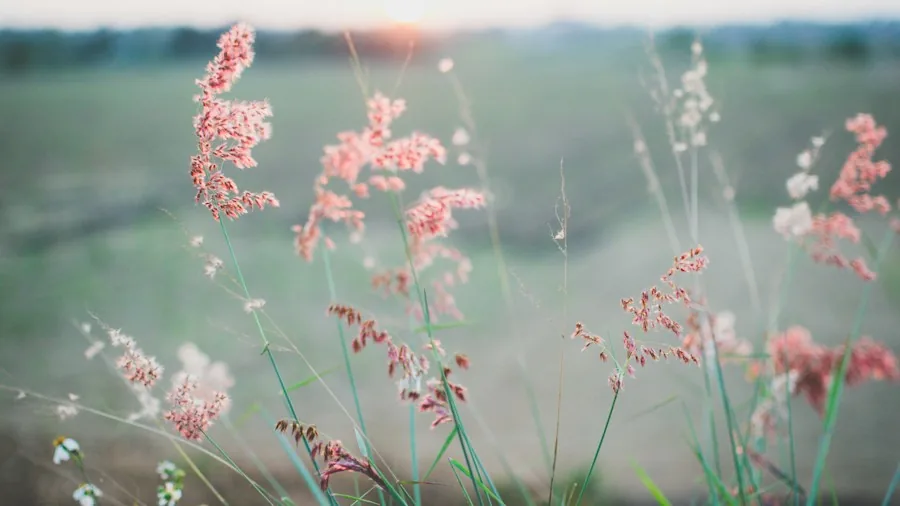
If you want genuine visual impact, pink muhly grass delivers in spectacular fashion. This ornamental creates the impression of soft pink clouds floating above dark green foliage. Dense clumps of wiry forest green needle-like leaves form the base for airy pink flower plumes that seem to hover above the plant. Flowering extends from late summer into fall, providing extended seasonal interest.
Pink muhly grass demands full sun and well-draining soil to thrive. Once established, it requires minimal maintenance and tolerates harsh conditions beautifully. The plant provides host material for orange skipperling butterflies and supplies nesting materials for bees and birds. One-gallon specimens are readily available from major nursery retailers and deliver immediate impact to autumn containers and garden beds.
Planting Strategy for Maximum Fall Color
You don’t need to remove existing plants to introduce prairie species. Select two or three varieties that appeal to your space and sunlight conditions, then position them strategically for visual impact. Combine tall plants like big bluestem with mid-height asters and goldenrod, then weave in bluestar and pink muhly for layered depth.
Native prairie plants thrive with minimal fertilizer, reduce watering demands, and support local ecosystems while delivering genuine aesthetic value. When summer gardens fade in early September, these hardy natives ensure your landscape peaks exactly when you want it most. For gardeners seeking plants with year-round interest and purpose, prairie species represent intelligent, beautiful choices that work harder and look better than many alternatives available today.





Write Your Review
No reviews yet. Be the first to share your experience!