
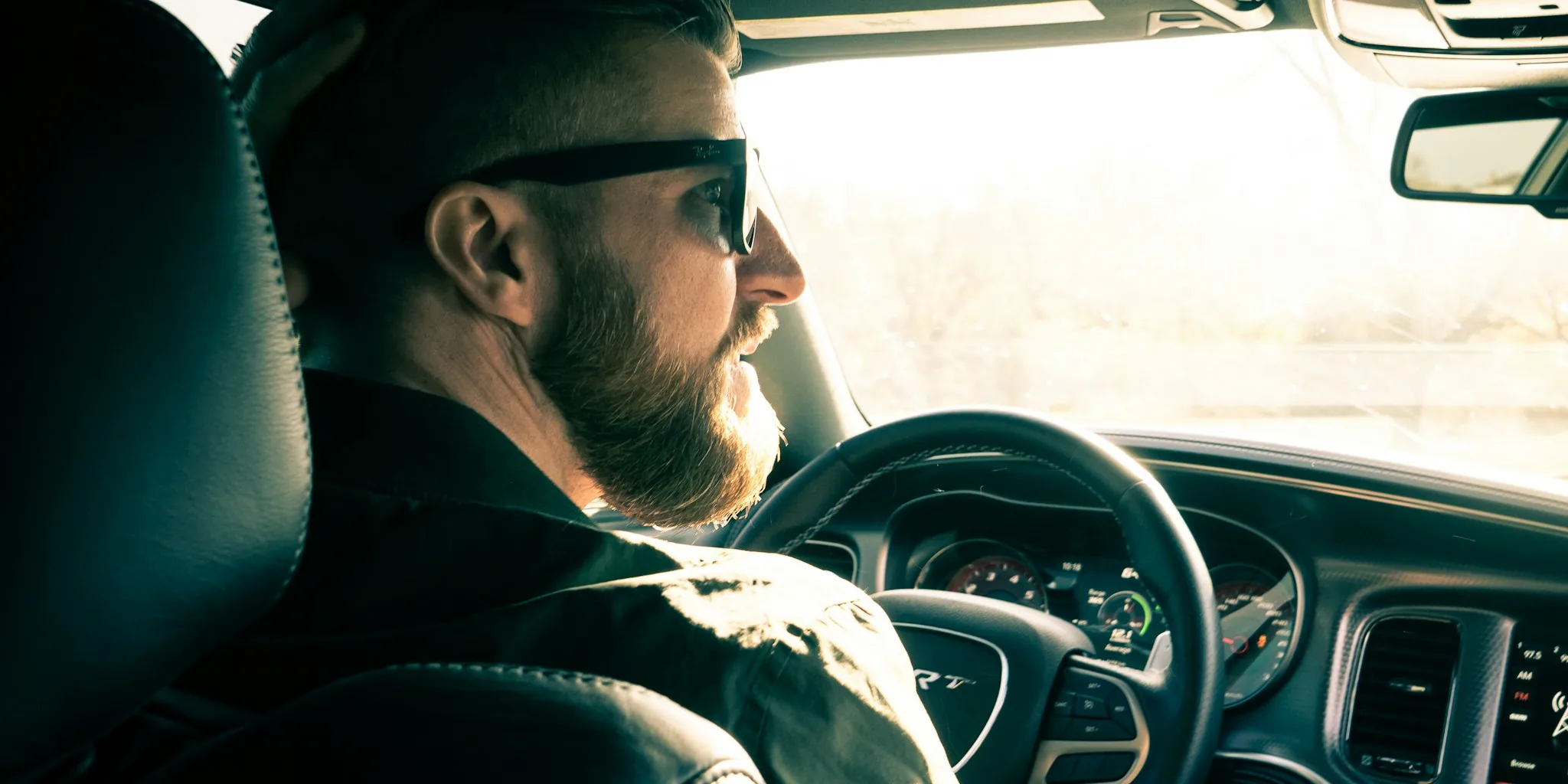

A newly published patent application from Toyota reveals an intriguing vision for the future of driving: a vehicle equipped with cameras smart enough to photograph exactly what the driver is looking at, all without touching a phone or taking their eyes off the road.
The patent filing describes a system that combines an interior camera to track the driver’s line of sight with exterior vehicle cameras to capture images of objects or scenes the driver is focused on. This hands free approach could transform how drivers document interesting sights, capture information for later review, and interact with their surroundings while maintaining full attention on the road ahead.
How the System Would Actually Work
According to the patent, the driver would trigger photo capture using simple voice commands or by pressing a button on the steering wheel or dashboard. The system would determine where the driver’s eyes are directed and then instruct one or more of the car’s external cameras to snap a photo of that exact scene.
For example, if you spot an unusual vanity plate, a classic car at a show, or an intriguing billboard with text too small to read safely while driving, you could simply say a command or press a button to capture it. The images would automatically be tagged with location data, allowing you to review them later on your smartphone or another personal device and even search for more information about what you’ve photographed.
More advanced versions of the system could accept standing instructions such as ‘If you see classic cars around me, please take a picture.’ This type of continuous monitoring could be especially useful during car shows or cruises where you might want to document multiple vehicles without constantly giving voice commands.
Beyond Simple Photography
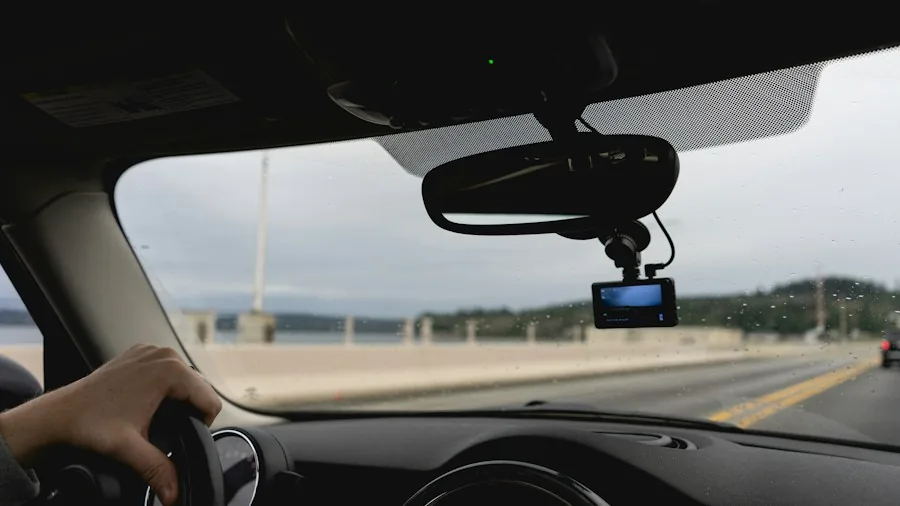
The patent hints at capabilities that go well beyond basic photo capture. The system could function as a rolling visual search tool, similar to smartphone apps that identify products and provide pricing and availability information. If you see a piece of furniture at a storefront, clothing on a billboard, or any other item of interest, the system could potentially look up that product and show you where to purchase it and how much it costs.
Toyota’s filing also suggests the technology could analyze your personal interests and automatically capture images of things it thinks you might find appealing, based on your past behavior and preferences. Using multiple exterior cameras simultaneously, the system could even generate three dimensional views of objects by combining images captured from different angles and perspectives.
Beyond driver initiated photography, the system could operate independently. If your vehicle knows your health information and your doctor has recommended regular walking breaks, the system could suggest when to stop and where to take a walk. It might even create heat maps showing where pedestrians are typically found along your route, helping you choose between walking in populated areas or quieter locations based on your preference.
What This Means for Drivers
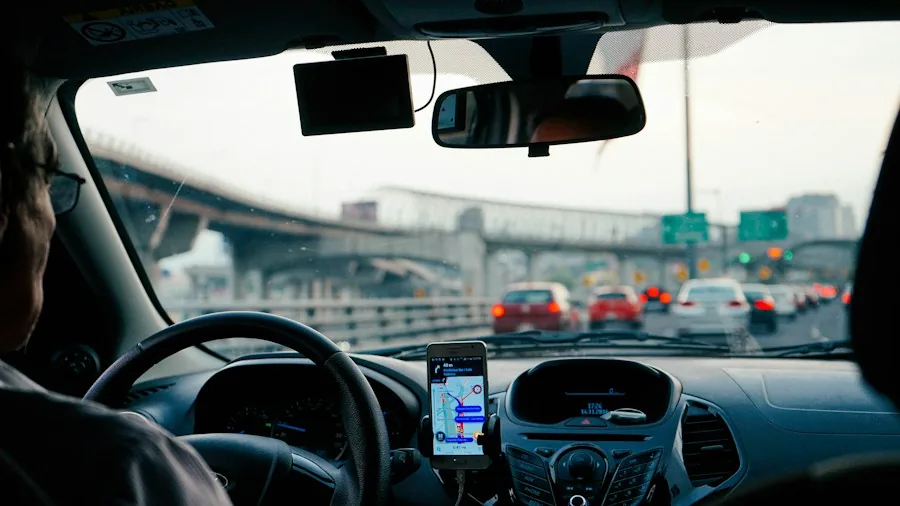
Safety is the primary benefit here. Every year, distracted driving causes thousands of accidents, and many states have strict laws against handheld device use while driving. Most drivers resort to phone mounts to manage devices safely, but even a quick glance to snap a photo creates danger. A hands free camera system could eliminate that temptation and risk entirely.
From a practical standpoint, the ability to safely document things you see while driving could prove genuinely useful. You could capture addresses for places you want to remember, photograph useful information from billboards without taking your eyes off traffic, or document unusual road signs and hazards.
The health and wellness features described in the patent could also appeal to drivers who sit for long periods. Regular reminders to stop and stretch, combined with helpful suggestions for where to walk, could support healthier driving habits and reduce fatigue on long trips.
The Reality Check
It’s important to note that a patent filing does not guarantee the technology will ever appear in production vehicles. Companies patent ideas regularly, and many never reach consumers. There are also potential privacy and data collection concerns with a system that continuously monitors driver attention and captures images of surroundings.
Additionally, regulatory approval would be necessary before such a system could be legally used on public roads. Questions about liability, data storage, and how captured images could be used would all need to be addressed.
That said, the creativity demonstrated in this patent application shows how automakers are thinking about using vehicle cameras and artificial intelligence to make driving safer and more convenient. As vehicles become increasingly connected and autonomous, features that help drivers stay focused on the road while reducing the need to handle devices make considerable sense.
While this particular hands free camera system may remain in the theoretical stage, it represents the kind of innovation likely to shape vehicle technology over the next five to ten years. Drivers interested in how future cars might work should keep an eye on patent filings and concept vehicle announcements from major manufacturers.

Write Your Review
No reviews yet. Be the first to share your experience!