


The Great Headphone Jack Exodus
For decades, the 3.5mm headphone jack was a reliable constant on nearly every smartphone. Apple disrupted that tradition in 2016 when it removed the jack from the iPhone 7, directing users toward Lightning connections instead. Google followed the next year by dropping the jack from the Pixel 2 and switching to USB-C. Samsung completed the industry shift in 2019, and Apple eventually abandoned its proprietary Lightning standard in favor of USB-C with the iPhone 15, largely due to EU regulations. Today, most major phones have ditched the familiar round port entirely, though some manufacturers like Sony and select budget brands still include it on certain models.
Where Audio Conversion Happens: The Key Difference
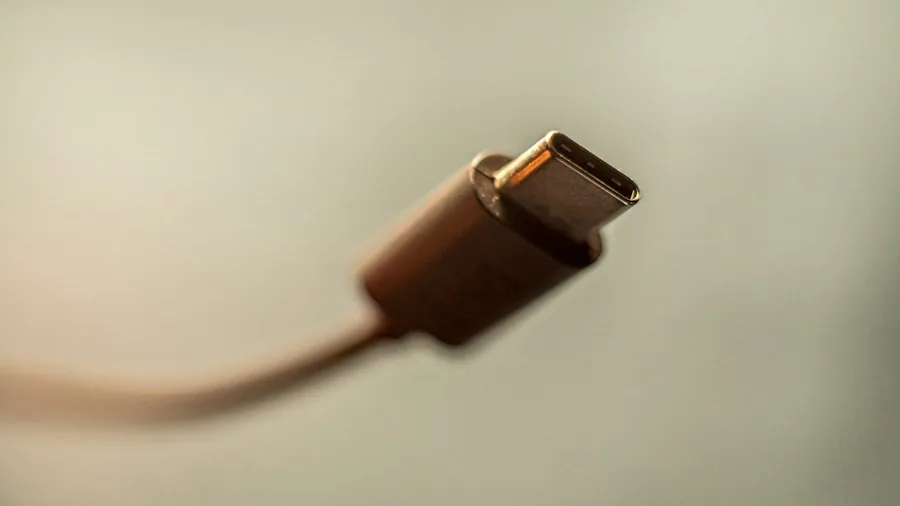
The fundamental distinction between these two connections lies in where your phone processes sound. With a 3.5mm jack, digital audio converts to an analog signal inside the phone before it travels through the port. The quality of the phone’s built-in digital-to-analog converter (DAC) and amplifier directly influence how your music sounds. USB-C operates in the opposite manner. The phone sends a digital signal through the port, and that conversion to analog happens externally in your headphones, earbuds, or adapter. This external processing is why most phones require an active adapter with a built-in DAC when using USB-C with wired headphones. Some smartphones also support Audio Accessory Mode, which allows the USB port to pass through analog signals directly.
Audio Quality: Neither Connection Holds All the Cards
There is no inherent superiority in either connector when it comes to sound. A 3.5mm jack connected to a phone with a premium DAC and amplifier can deliver impressive audio. Similarly, USB-C can produce excellent sound if paired with high-quality external components. The real variable is the quality of the hardware involved. A premium USB-C DAC adapter will often outperform a standard phone’s internal 3.5mm output, particularly when driving power-hungry over-ear headphones. However, a cheap USB-C adapter offers minimal advantage over a basic headphone jack, and poor-quality components in either scenario will compromise your listening experience. For most casual listeners using mid-range equipment, the practical difference in audio quality between the two connections remains negligible. When you invest in quality wireless headphones, you gain more flexibility regardless of connector type.
Compatibility and Convenience Still Favor 3.5mm

Despite the industry shift, 3.5mm jacks retain a significant practical advantage: universal compatibility. You will find 3.5mm ports on car stereos, laptops, desktop speakers, televisions, and countless other devices worldwide. A single pair of wired 3.5mm headphones works seamlessly across all these platforms without adapters or additional equipment. That straightforward approach explains why 3.5mm headphones remain popular and widely available. USB-C audio, while more technically capable, requires either headphones with built-in USB-C connectors or an active adapter, which adds cost and complexity to your setup. This dependency on external components makes USB-C less universally convenient, even if it offers greater audio potential when proper hardware is involved.
What This Means for Shoppers
The shift from 3.5mm to USB-C represents a genuine change in how phones deliver audio, but it is not necessarily a step backward. If you prefer wired listening and own a newer USB-C phone, investing in a high-quality active adapter will serve you well. For those prioritizing convenience and broad device compatibility, wired 3.5mm headphones or wireless Bluetooth headphones remain sensible choices. If you are considering upgrading your audio gear, understand that your phone’s USB-C implementation matters as much as the adapter or headphones you pair with it. Check reviews of specific phone models to learn whether they have strong built-in audio hardware or weak support for USB audio. The connector type alone does not determine your listening experience. Your actual sound quality depends on the entire chain: phone, adapter, headphones, and audio content quality all play important roles. When shopping for headphones for exercise or daily use, prioritize matching quality components to your phone’s capabilities rather than fixating on the connector itself.






Write Your Review
No reviews yet. Be the first to share your experience!