
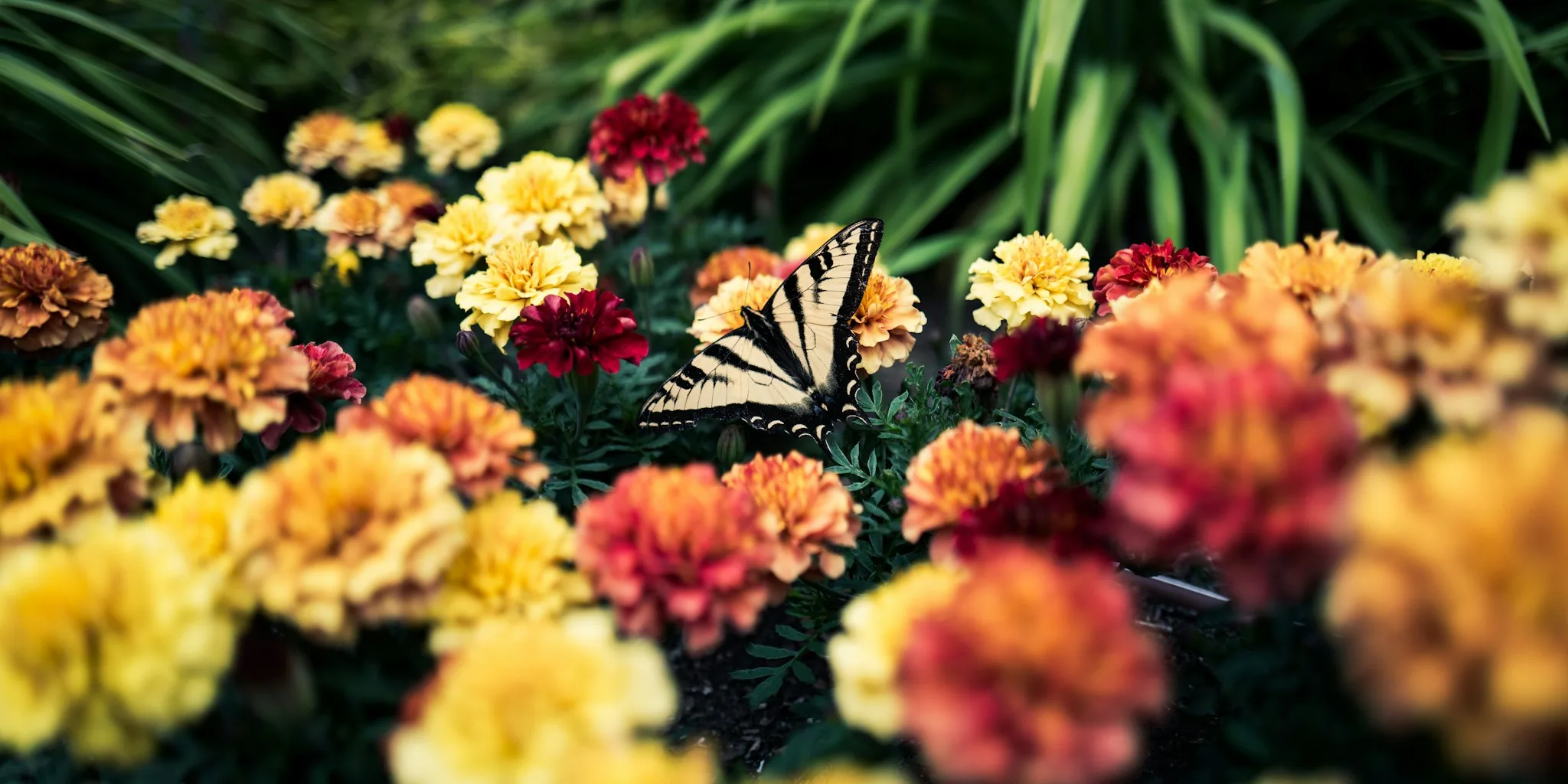

As summer fades and temperatures drop, most gardens lose their visual appeal and the flowers that sustain bees and butterflies disappear. But shoppers who want to support pollinators while maintaining garden color through autumn have a powerful solution: planting nectar-rich varieties that bloom specifically in the cooler months. These fall bloomers provide essential late-season nutrition when pollinators are preparing for winter migration or settling in for dormancy.
Choosing the right fall plants makes all the difference. Rather than waiting until spring to refresh your landscape, September is the ideal time to add mature container plants from garden centers. Focus on resilient perennials that thrive in cool conditions and deliver consistent nectar production through November. Here are five proven options that attract pollinators when your garden needs them most.
Asters: The Late-Season Nectar Powerhouse
Asters stand out as one of the most reliable fall bloomers available to gardeners. These perennials produce daisy-like flowers in shades of purple, pink, and blue that attract both native bees and migrating monarch butterflies from late summer straight through November. Some varieties grow quite tall, reaching up to 6 feet, while others stay more compact, giving you flexibility in garden design.
Growing asters successfully requires some key conditions. They prefer partial shade rather than hot, sunny locations, and they need well-draining soil to prevent root issues. Cool, moist summers and cool nights produce the healthiest plants. If you’re transplanting mature asters from containers purchased at a garden center, early September is the perfect timing. You’ll want to wear protective gear while planting and tending your garden, so consider investing in quality gardening gloves that protect your hands while allowing dexterity for precise planting work.
Autumn Joy Sedum: Hardy and Drought Tolerant
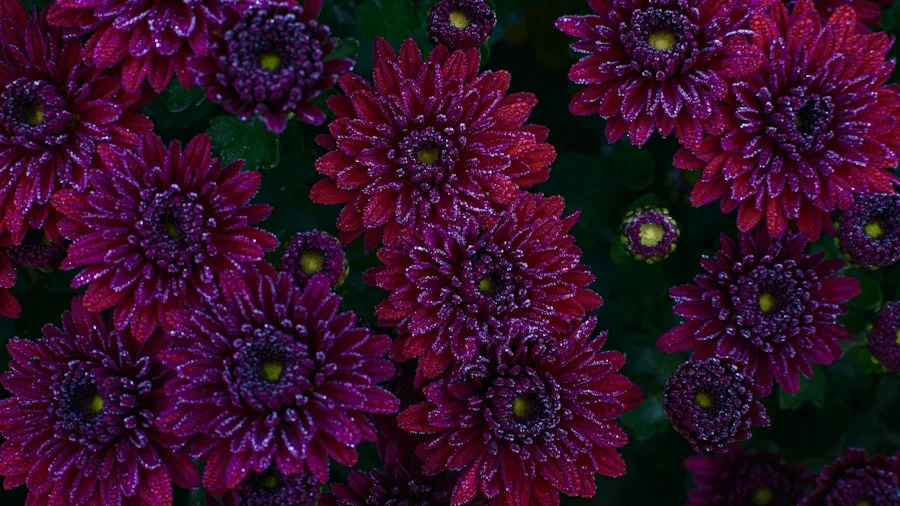
If you’re looking for a plant that handles almost any garden condition, Autumn Joy sedum delivers. This succulent perennial thrives in cold climates, hot regions, and everything in between. It’s also remarkably drought tolerant, making it an excellent choice for water-conscious gardeners who still want to feed pollinators.
The visual appeal of this plant is undeniable. Green flower buds emerge in late spring, opening to pink flowers in summer, then deepening to rich rosy, coppery, and bronze tones as fall arrives. These thick flower clusters are butterfly magnets during the cooler months after summer blooms fade. The flowers and seed heads provide both nectar and visual interest well into early winter. Most garden retailers stock Autumn Joy sedum for under 10 dollars, making it an affordable addition to any landscape.
Butterfly Bush: Fast Growing and Fragrant
True to its common name, butterfly bush attracts butterflies in impressive numbers. However, this shrub isn’t selective about its pollinators. The plant’s distinctive panicles contain hundreds of nectar-filled florets arranged on flower spikes that can reach nearly a foot long. These bright blooms in purple, pink, and blue release a sweet honey fragrance that draws bees, hummingbirds, and monarchs alike.
One important consideration: butterfly bush grows quickly and can become invasive in certain regions of the country. Before planting, check with your local extension office to ensure it won’t cause problems in your area. When established, this perennial shrub provides abundant late-season nectar when most other garden flowers have already faded. Using quality garden pruners helps you maintain its shape and control its growth throughout the season.
Goldenrod: Unfairly Blamed and Highly Valuable
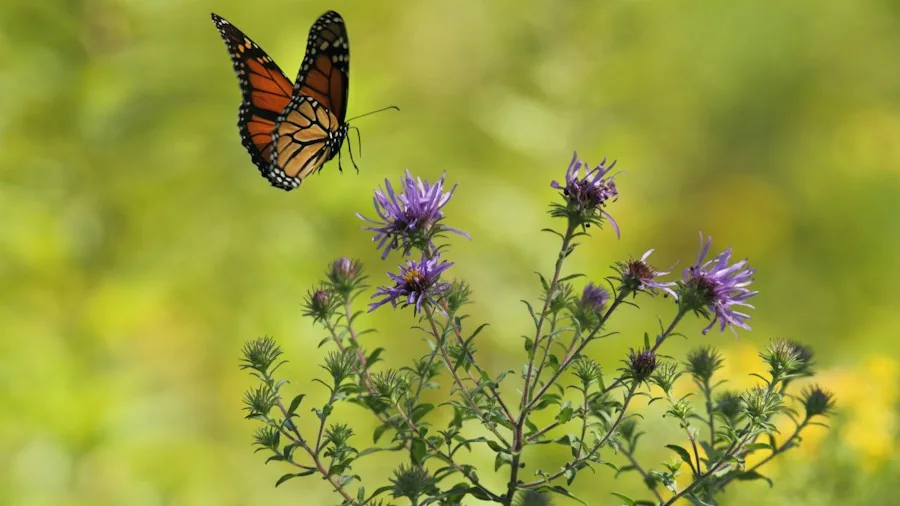
Goldenrod deserves far more recognition among American gardeners than it currently receives. Many people mistakenly believe this bright yellow bloomer causes hay fever, but that myth actually belongs to ragweed, which flowers around the same time. Goldenrod is completely innocent and incredibly valuable for pollinators.
This plant produces flowers loaded with nectar and heavy, sticky pollen from late summer through the first frost. Dozens of bee species depend heavily on goldenrod pollen during this critical period when other nectar sources disappear. Beyond feeding adult bees and butterflies, goldenrod also supports native moth and butterfly caterpillars, which in turn become essential food for songbirds. It’s a keystone plant for your entire garden ecosystem.
Joe-Pye Weed: The Hidden Powerhouse
Joe-pye weed may not win beauty contests, but it’s a true powerhouse for pollinators. The plant produces small, fragrant flowers arranged in large, domed clusters that smell like vanilla. These flowers are absolutely loaded with nectar, providing high-energy food for fall and late-summer pollinators.
Monarch butterflies preparing for their long southern migration rely heavily on joe-pye weed as a primary food source. Bumblebees and hummingbirds also frequent the plant regularly. Once fall transitions into winter, the dried seedheads continue providing foraging material for wild birds and beneficial insects. Combined with a good garden hose for maintaining proper moisture during establishment, this perennial creates a lasting pollinator resource. Joe-pye weed appears just as summer flowers fade, making it an ideal transition plant.
By planting these five fall bloomers, you’re not just creating a beautiful autumn garden. You’re actively supporting pollinators during their most vulnerable season, helping them survive winter and return to your landscape year after year.



Write Your Review
No reviews yet. Be the first to share your experience!