
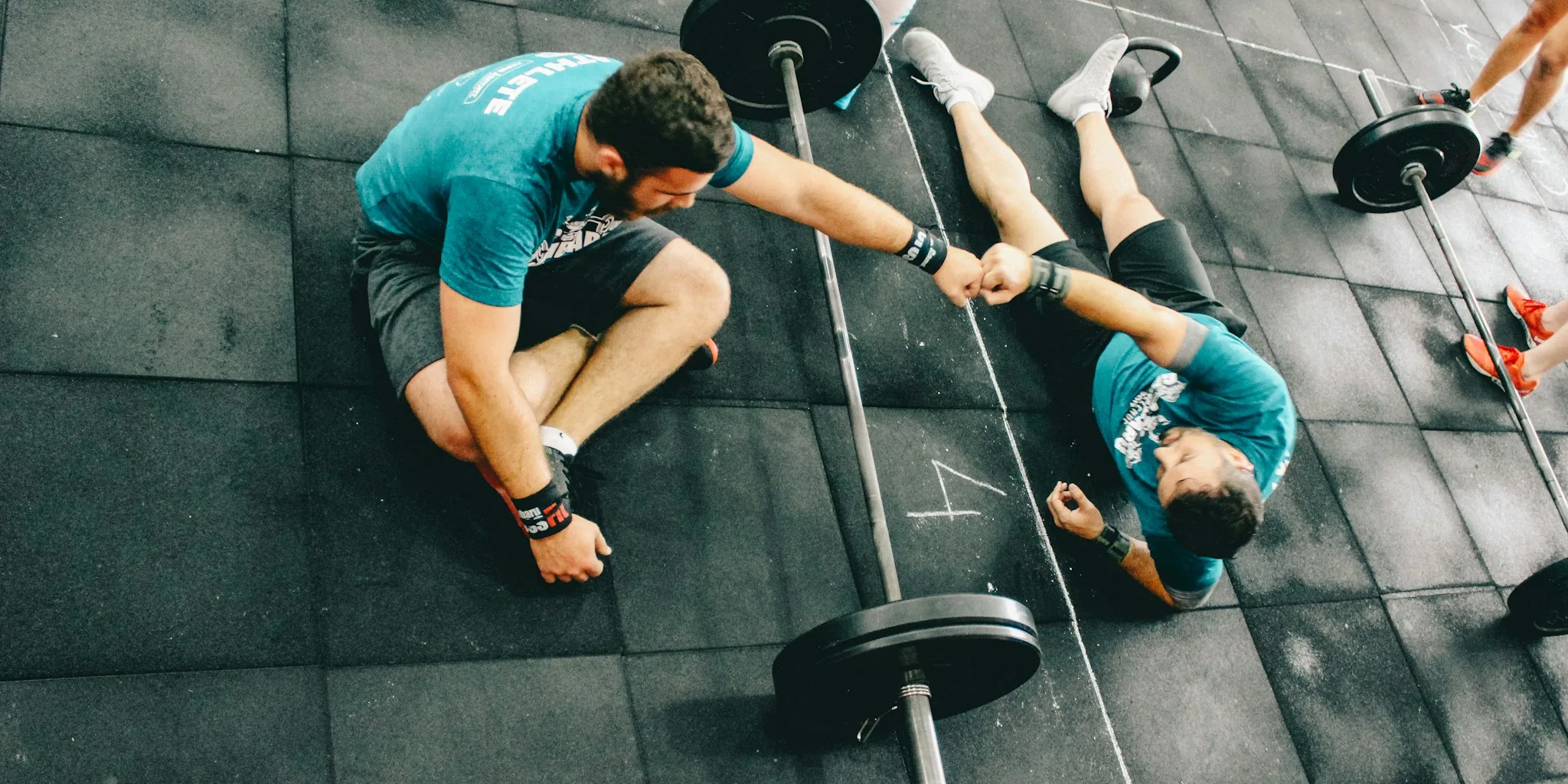

A new wave of fitness facilities targeting men only is gaining traction across the United States, driven by a specific philosophy about focus, temptation, and community building. These male-exclusive gyms represent a significant shift in how some fitness consumers are approaching their training environment, and understanding this trend matters whether you’re evaluating your own gym membership or simply staying informed about the evolving fitness landscape.
The Rise of Gender Exclusive Fitness Spaces
The men’s only gym movement began gaining momentum in late 2025, with facilities opening in major markets including Oklahoma City and Denver. These spaces operate on the premise that removing women from the gym environment eliminates distractions and helps male members stay focused on their fitness goals and personal relationships. Founders of these facilities argue that traditional coed gyms create environments where men struggle to maintain attention on their workouts and their commitments at home.
One notable example is Proverbs 27:17 Fitness in Oklahoma City, founded by Jeff Hambrecht, a corporate health and wellness director with formal training in health and exercise science. The facility combines intense physical training with community building activities, including Bible study sessions. Another emerging space is The Remnant, a Denver based holistic training center slated to open in 2027, which will offer coworking space, golf simulators, and a coffee bar alongside fitness facilities.
The Fitness Programs Inside These Spaces
These male only gyms don’t simply offer standard workout equipment. The training programs are specifically structured and coached. Proverbs 27:17 offers a six day split including two days of strength training, two days of light cardio, and two days of Zone 2 cardio, a method that maintains heart rate between 60 to 70 percent of maximum capacity. Coaches provide intensive one on one attention and encouragement, creating an accountability structure often missing from large commercial gyms.
Beyond the physical training aspect, group fitness classes and community components play a central role in these facilities. Members gather after workouts for discussion and fellowship, creating what some describe as a hybrid between a traditional gym and a support group. This social element appears to resonate with members who cite feelings of isolation and lack of meaningful male friendships in their everyday lives.
The Broader Fitness Industry Perspective
Fitness professionals and cultural historians have mixed views on this emerging segment. While some acknowledge that dedicated community spaces can provide genuine value, others express concern about how these facilities frame their purpose. Fitness expert Michael Ulloa notes that while these spaces might benefit certain individuals, the messaging around their necessity feels problematic to many industry observers.
The underlying question centers on whether removing women from fitness environments actually solves the problems these gyms claim to address, or whether it simply creates avoidance rather than developing genuine self discipline. Some gym owners dispute the framing entirely. Hambrecht, interestingly, states that one of his facility’s actual goals is to help members eventually reintegrate into traditional coed fitness settings, suggesting that male only spaces serve as a transitional environment rather than a permanent solution.
What This Means for Fitness Consumers
If you’re shopping for a gym membership or fitness community, the emergence of men’s only facilities represents an additional option in an increasingly diverse fitness market. These spaces attract members seeking accountability structures and community connection alongside physical training. They appeal particularly to men navigating challenges with addiction recovery, relationship issues, or general feelings of disconnection.
However, consumers should evaluate these facilities using the same criteria you’d apply to any gym: Does the training program match your fitness level and goals? Do the community values align with yours? Is the facility equipped with the equipment types you need? Is the cost reasonable compared to alternatives in your market?
The Bigger Conversation
The rise of these spaces reflects broader conversations about male loneliness, community, and the role of fitness in addressing mental health and relational wellbeing. Cultural historians note that while some aspects of this trend raise eyebrows, the fundamental drive toward in person community and vulnerability among men counters problematic trends toward isolation and digital alienation.
Whether you choose a traditional coed gym, a specialized male only facility, or any other fitness environment, the key metric remains the same: does it support your personal fitness goals and overall wellbeing? The fitness industry continues evolving to serve increasingly specific niches and values, giving consumers more options but also requiring more thoughtful selection when choosing where to invest your membership dollars and your fitness time.






Write Your Review
No reviews yet. Be the first to share your experience!