

Introduction
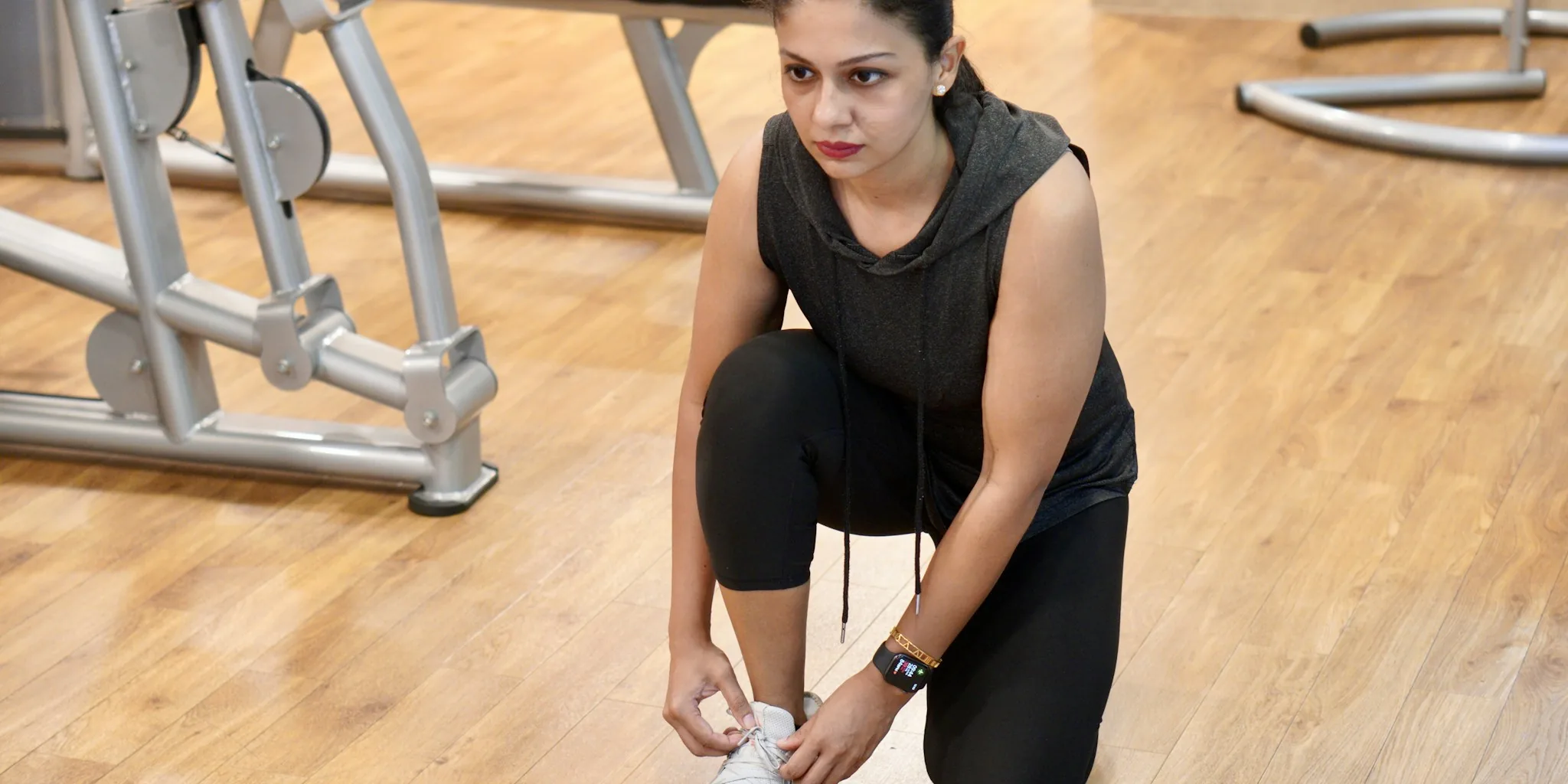
Finding the right fitness gear can feel overwhelming. With countless products flooding the market each year, it’s challenging to know which ones are worth your money and which ones will sit unused in your closet. Whether you’re investing in new activewear, upgrading your home gym setup, or testing out recovery tools, understanding what separates quality fitness products from marketing hype is essential. This guide walks you through practical criteria that fitness experts use to evaluate gear, so you can make smarter purchasing decisions.
1. Prioritize Proven Functionality Over Trends
The flashiest fitness product isn’t necessarily the best one for your needs. Real fitness products must perform their intended function reliably, whether that means a sports bra providing proper support during high-impact activities or a water bottle staying leak-proof in your gym bag. When evaluating any fitness purchase, ask yourself: does this product solve a specific problem I have, or am I drawn to it because it looks trendy? The most valuable gear combines practical design with genuine performance, not just aesthetic appeal.
2. Look for Quality Construction and Materials
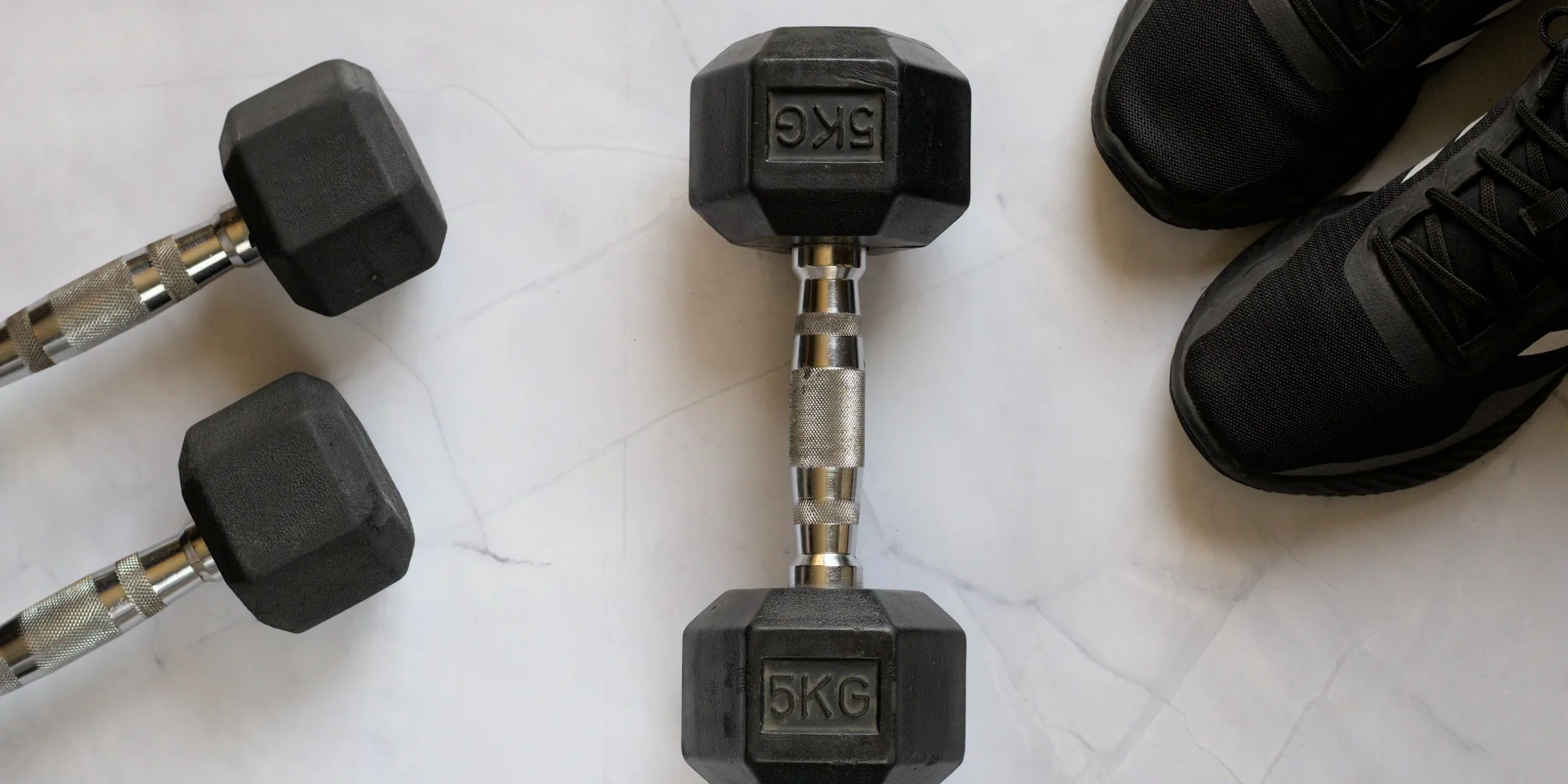
Durability matters when you’re investing in fitness equipment. Quality products use superior materials that withstand repeated use, sweat, and washing. When shopping for activewear, examine fabric weight and construction. For gym equipment like dumbbells or kettlebells, check the finish and handle grip. Recovery tools should feel substantial and well-built. Products that marry both functionality and quality construction tend to last longer and deliver better results over time, making them more cost-effective in the long run.
3. Test Products Through Multiple Workouts
One workout isn’t enough to truly evaluate a fitness product. Shoes might feel great on day one but cause blisters by week two. A water bottle could fail its leak test after the third use. Before committing to a purchase, wear or use the product through at least two or three different workouts or activities. This real-world testing reveals problems that won’t show up during casual inspection. If shopping in-store isn’t possible, look for retailers with generous return windows so you can test items at home first.
4. Consider Your Specific Fitness Goals and Style
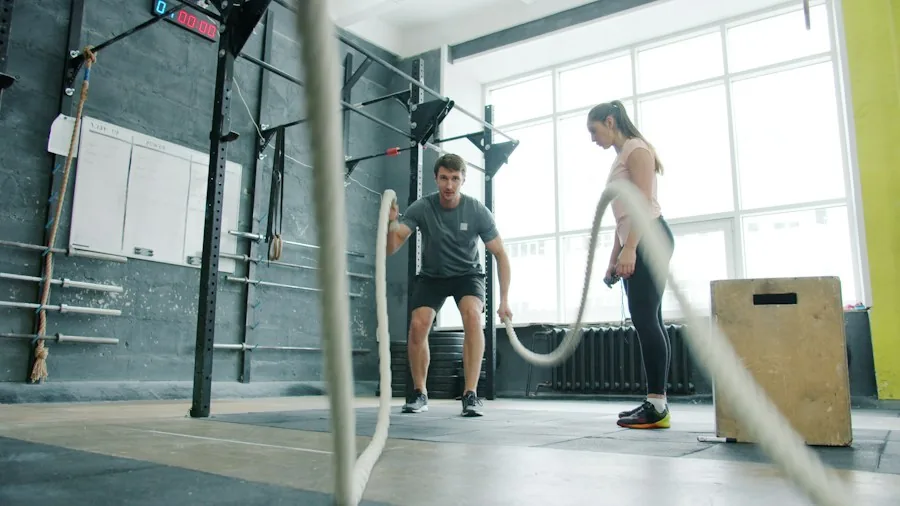
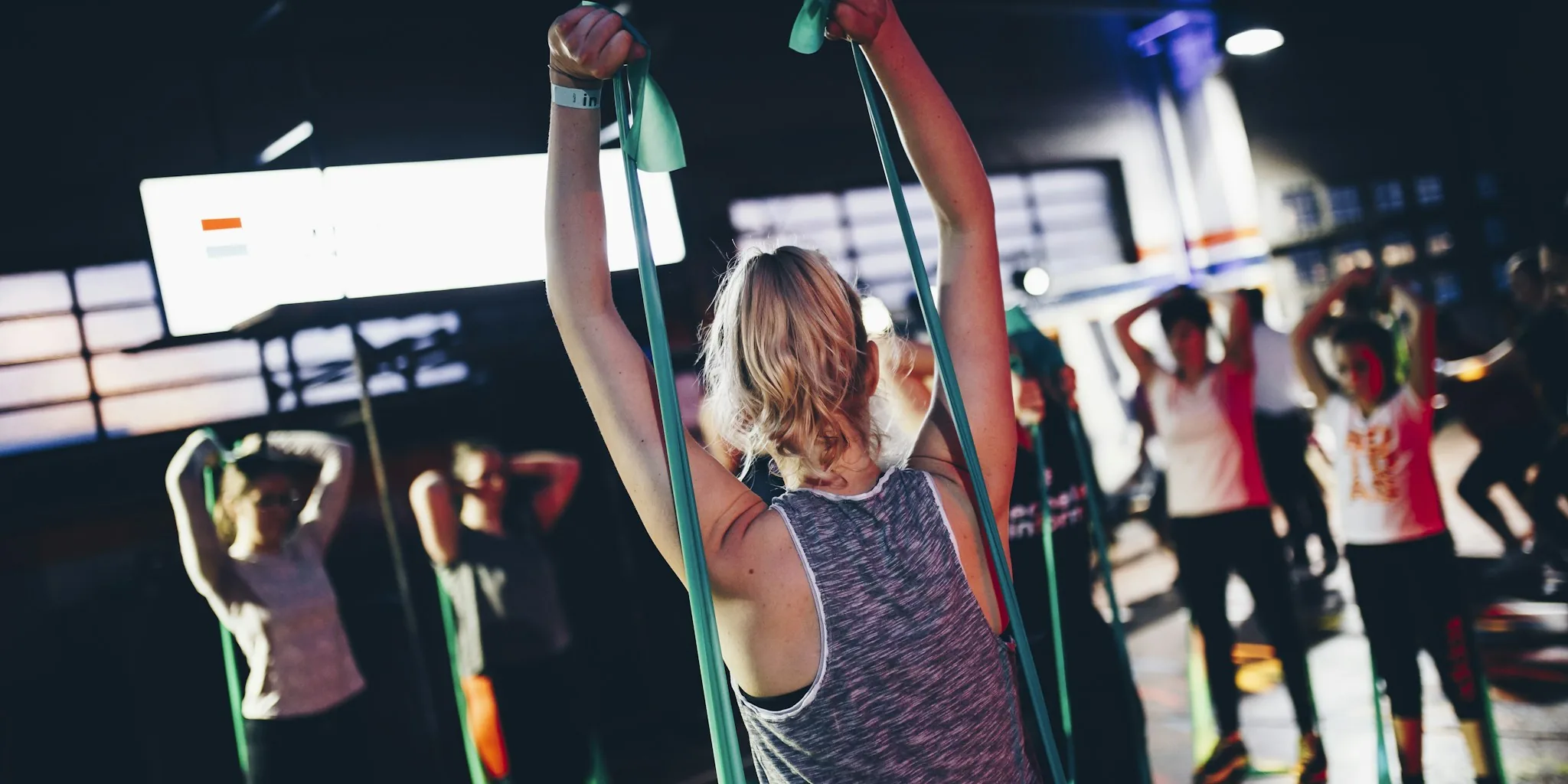
The best fitness product for someone training for a marathon differs from what a strength athlete needs. Your personal goals should drive your purchasing decisions. Are you building muscle? You’ll want equipment that supports progressive overload. Training for endurance? Lightweight, moisture-wicking apparel becomes critical. Additionally, consider your personal style and preferences. Workout gear should make you feel confident and motivated, not uncomfortable or self-conscious. When fitness products align with both your goals and your aesthetic preferences, you’re more likely to use them consistently. Group fitness classes benefit from gear that matches your training style, so choose accordingly.
5. Check That Products Are Current and Available
Fitness technology and product design evolve rapidly. When shopping, verify that you’re purchasing the most recent model or version available. Older inventory might lack newer features or improvements. Additionally, confirm that products you’re interested in are readily available and will remain available long-term. This matters especially for items where you might need replacement parts, additional sizes, or consistent supply. Products that companies actively stock and support tend to offer better customer service and warranty coverage than discontinued or hard-to-find items.
6. Evaluate Wearables and Tech Tools Carefully
Fitness wearables, apps, and recovery trackers require extra scrutiny before purchasing. These tools should integrate seamlessly with your existing devices and routines. Choosing the right fitness gear across multiple activities becomes easier when tech works reliably across all your workouts. Read independent reviews about battery life, accuracy, and user interface. Test compatibility with your smartphone and other devices before buying. Remember that fitness apps and programs created by trainers are worth considering, though you should verify the creator’s credentials and whether the program suits your experience level.
7. Factor in the Full Fitness Category Range
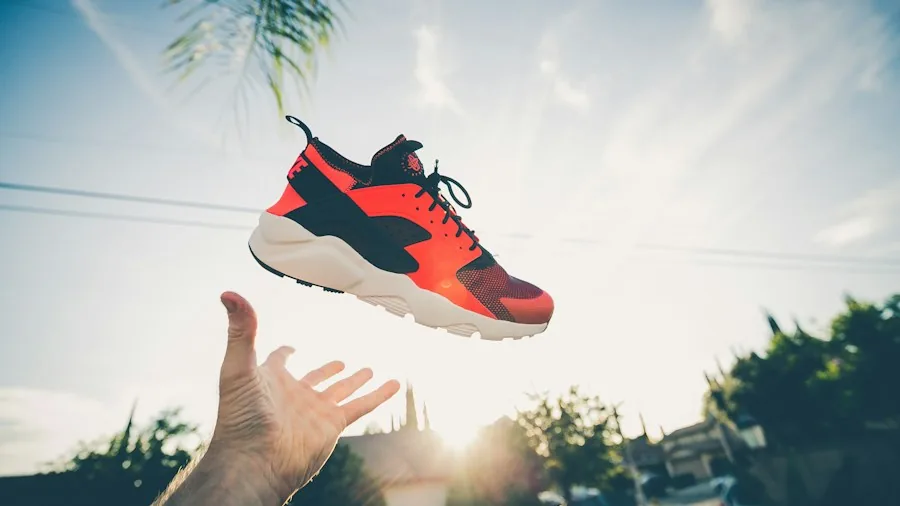
Quality fitness products span multiple categories: supportive activewear including sports bras and leggings, reliable gym equipment from mats to kettlebells, specialized outdoor and sports gear, body-worn technology and wearables, nutrition and hydration solutions, and recovery items like massage tools and stretching accessories. Rather than buying random items, think holistically about your fitness setup. A well-rounded collection addresses different needs, not just one aspect of your training. Getting back into running requires the right shoes and recovery support, illustrating how different product categories work together. When you intentionally build your fitness gear collection across these categories, your overall training experience improves significantly.
Conclusion
Investing time in evaluating fitness products using these criteria saves money and frustration. Quality, functionality, and alignment with your personal goals should guide every purchase decision. The fitness products worth buying are those that perform reliably, feel good to use, and support your long-term health and training success. By following this framework, you’ll build a collection of gear that actually enhances your fitness journey rather than gathering dust at home.



Write Your Review
No reviews yet. Be the first to share your experience!