
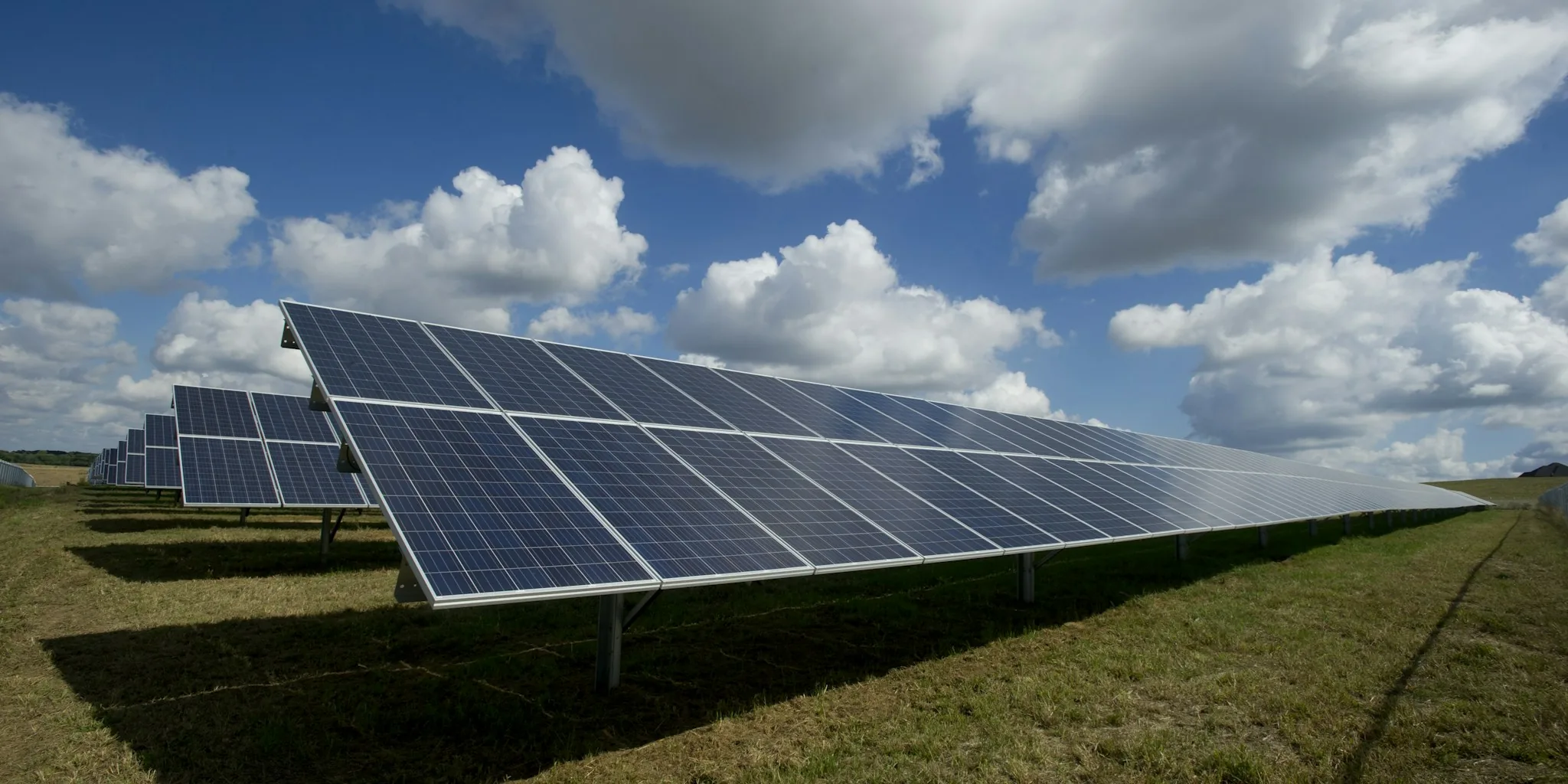

A groundbreaking experiment conducted in New Mexico is pointing toward a transformative shift in how commercial coffee roasters heat their equipment. Researchers at a leading national laboratory have successfully demonstrated that existing drum roasters can be retrofitted to run on solar energy stored as thermal heat, potentially reducing or eliminating reliance on natural gas for one of the industry’s most energy-intensive operations.
The pilot project partnered with a longtime Albuquerque-based roasting company to test an innovative “indirect solar heating” system. Rather than using solar panels to generate electricity directly, the system converts photovoltaic energy into heat and stores it in a packed-bed thermal battery filled with rocks. When a roaster needs heat, that stored energy releases into the roasting drum. During testing, the system successfully roasted coffee to light, medium, and dark profiles while reaching temperatures as high as 600 degrees Celsius, proving the concept works across the full spectrum of roast styles.
What This Means for Your Morning Cup
For shoppers and coffee enthusiasts, this development carries real implications. If the technology reaches commercial viability, it could influence both the price and sustainability profile of the coffee you buy. Reducing natural gas consumption in roasting lowers operational costs and carbon emissions, two factors that increasingly matter to consumers choosing where to spend their money. The best coffee beans for every budget and brewing method may soon come from roasters powered partly or entirely by renewable energy.
The system also demonstrated a practical advantage that directly affects production capacity: the roaster could be preheated and cooled between batches much more quickly than traditional gas-fired equipment. The owner noted this faster cycling could meaningfully increase the amount of coffee his operation produces each day, potentially making specialty roasted coffee more available and competitive in price.
For darker roasts, testing showed the solar system actually cut roasting time by several minutes compared to conventional methods. This efficiency gain translates to lower per-pound production costs, a benefit that could eventually reach consumer prices, particularly for premium specialty coffees.
The Rock-Based Storage Advantage
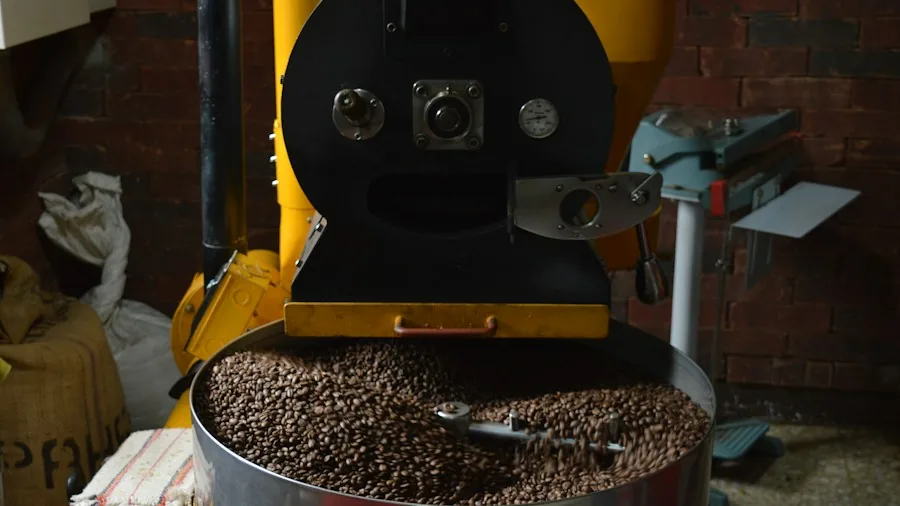
One of the most promising aspects of this approach is thermal battery storage. The rock-filled system can hold heat for extended periods, potentially for days at a time. This means roasting could continue even when the sun is not shining, making the system viable in real-world commercial settings where consistent production matters. Albuquerque, with approximately 300 sunny days annually, provided an ideal test location, but the concept could work in other regions with careful system sizing.
The researchers framed the project explicitly as a retrofit solution, not a complete equipment overhaul. Roasters would not need to scrap their existing machines and learn entirely new systems. Instead, the solar heating apparatus would bolt onto current natural gas drum roasters, allowing operators to switch heat sources while retaining the equipment and expertise they already know. As the participating roaster owner stated, this approach lets professionals continue using their craft knowledge while simply adapting to a different energy source.
If you’re shopping for the best coffee grinders for every budget in 2026, knowing that roasters may soon have greener energy options makes a difference in understanding the full lifecycle of sustainable coffee production.
On the Path to Commercial Reality
The experiment was funded through a state technology readiness initiative designed to help move laboratory innovations toward real-world commercial use. The project also leveraged a formal research collaboration agreement, a legal structure that allows the national laboratory to work directly with private companies. The underlying thermal storage technology is covered by a U.S. patent, giving the developers intellectual property protection as they pursue commercialization.
Researchers involved explicitly stated their goal is to place this industrial heat and energy storage system into the hands of companies ready to bring it to market. The next phase will likely involve scaling from the proof-of-concept stage to actual retrofit installations at roasting facilities willing to pioneer the technology.
While the solar coffee roasting system is still moving toward wider commercial deployment, the successful testing demonstrates that industrial heat is an area where solar thermal technology can deliver real value. Unlike residential solar panels, which generate electricity, this approach captures heat directly and stores it efficiently for on-demand use. That fundamental difference makes it highly practical for energy-intensive roasting operations that have traditionally had few alternatives to natural gas.
For coffee drinkers concerned about environmental impact and production sustainability, this development signals that the industry is actively seeking ways to reduce its carbon footprint. The sooner such systems become widely available and economically competitive, the more likely they are to be adopted by roasters of all sizes, from specialty micro-roasters to larger commercial operations.




Write Your Review
No reviews yet. Be the first to share your experience!