
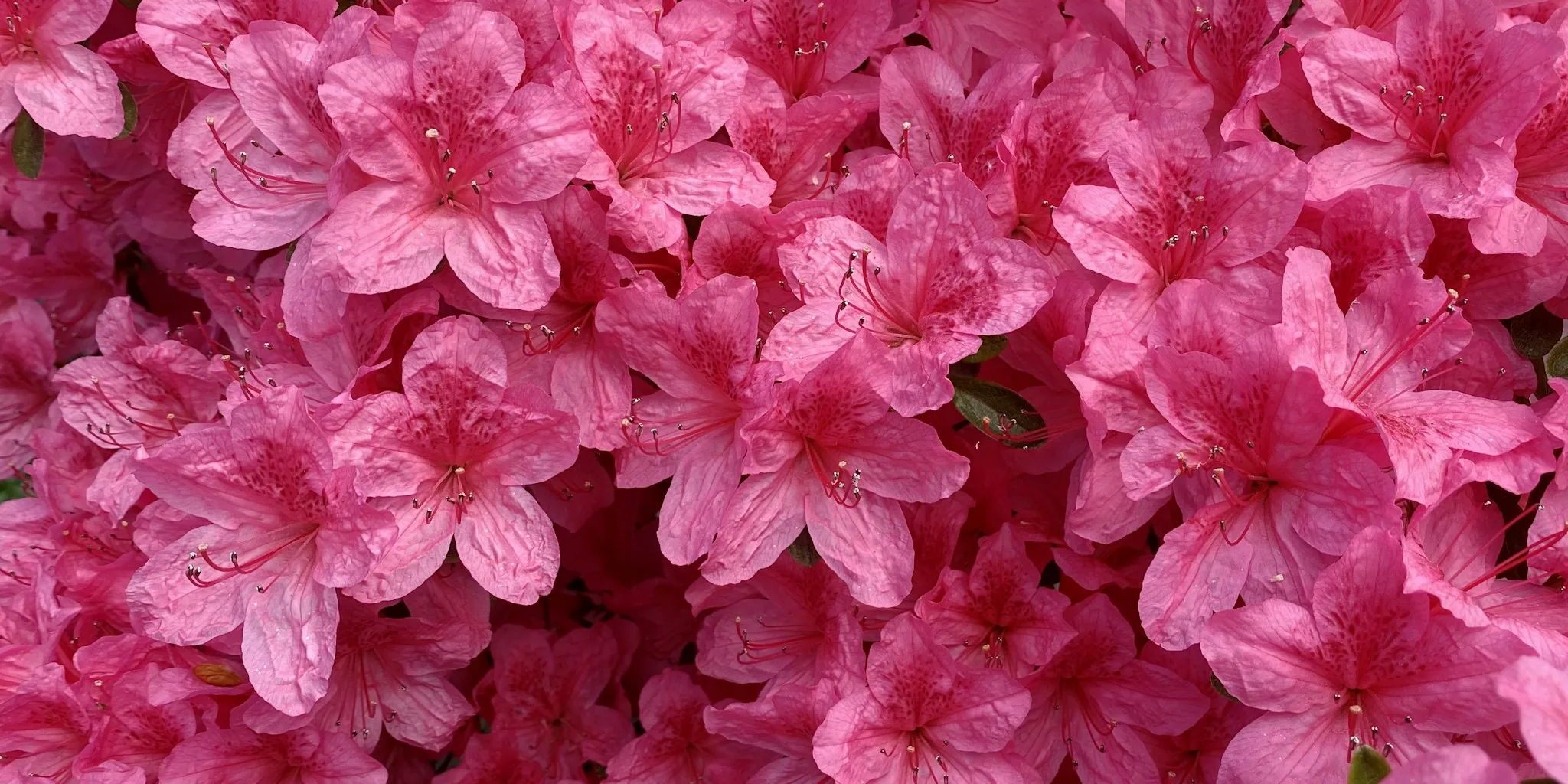

Why Fall Is Prime Planting Season for Shrubs
If you want a backyard bursting with color come spring, autumn is your window. Fall offers ideal conditions that many gardeners overlook. As temperatures drop in October, the air cools while soil remains warm, creating the perfect environment for root systems to establish themselves. This combination reduces heat stress and water loss, allowing plants to focus their energy on building strong roots through the cooler months instead of struggling with summer heat.
The shorter daylight hours of fall also work in your favor, signaling plants to prioritize root development. Add seasonal rainfall into the mix, and you have a formula for success. By the time spring arrives, your shrubs will have invested months in developing robust root systems, meaning they can channel their full energy into producing lush foliage and abundant flowers. The key timing is to plant between four and six weeks before the ground freezes in your region.
Seven Space-Saving Shrubs Perfect for Compact Yards
Small yards require careful plant selection. You need shrubs that deliver maximum visual impact without consuming excessive space. Here are seven compact flowering options worth considering for your fall planting project.
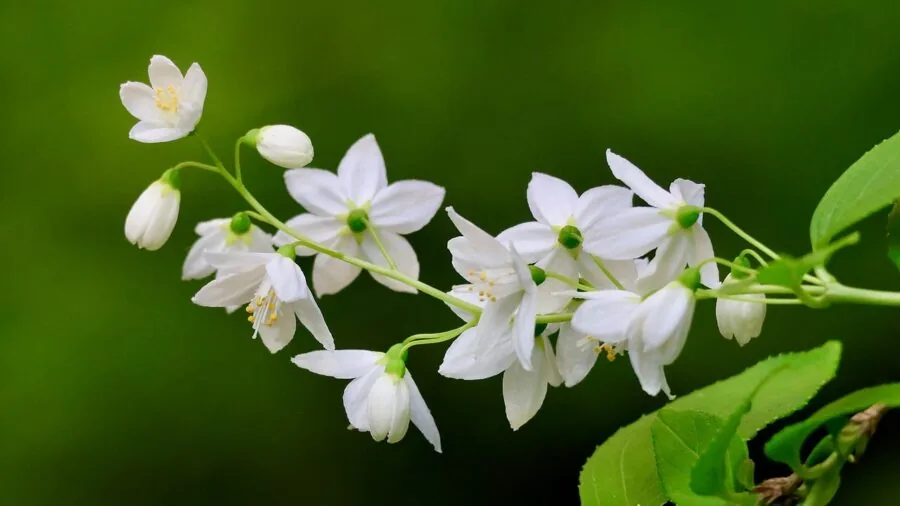
Deutzia Yuki Cherry Blossom
This low-growing deutzia reaches just one to two feet tall and wide, making it ideal for gardeners working with limited space. It produces delicate pink-and-white bell-shaped flowers in spring and transitions to rich burgundy foliage in autumn, essentially giving you two spectacular seasons. Plant it as a groundcover on sunny slopes or use it for mass plantings. A newer version released recently holds its flower color longer and grows in a tidier form.
Baby Kim Lilac
Standard lilacs often grow too large for compact yards, but Baby Kim breaks that mold. This dwarf variety reaches only three feet in height and width while delivering all the fragrance and beauty of its larger cousins. Its dark green foliage and cloud of purple flowers attract butterflies and fit well in sunny corners. If you want a classic spring scent without the space commitment, this is your answer.
Show Off Sugar Baby Forsythia
Forsythia typically shoots upward and spreads aggressively, but this cultivar stops at just 2.5 feet tall and wide. Dense clusters of bright yellow flowers deliver instant cheerfulness to any sunny spot. Use a single plant as a focal point or plant several to create a low hedge effect.
Spirea Double Play Doozie
Want flowers from late spring through the first frost? This mounding shrub reaches two to three feet and produces vibrant crimson flower clusters throughout the growing season without requiring deadheading or pruning. It tolerates drought conditions, works beautifully in containers, and suits mixed borders and foundation plantings equally well.
Virginia Sweetspire Little Henry
This native shrub excels in shaded areas where other flowering plants struggle. It produces small white flowers that resemble fireworks against dark green foliage, reaching approximately four feet tall and wide. The plant prefers moist soil and even tolerates wet conditions, making it versatile for various landscape situations. Fall brings fiery color to complete the seasonal show.
Cameo Flowering Quince
This compact specimen delivers spectacular spring blooms with double peach-colored blossoms appearing on bare branches, creating an exceptional visual display. Growing to four feet tall and wide, it later produces fragrant yellow-green fruits useful for making preserves. Provide at least five hours of daily sun and well-drained soil for best results.
Mexican Honeysuckle
Gardeners in warm zones should consider this tropical-looking shrub. Bright orange tubular flowers bloom throughout most of the growing season, attracting hummingbirds and butterflies. The mounded growth habit works well in filtered shade and adds soft, natural beauty to any landscape.
Essential Planting Steps for Success
Proper planting technique ensures your shrubs establish quickly and perform well. Begin by selecting a location with appropriate sunlight exposure and well-draining soil suited to your specific plant choice. Dig a hole two to three times wider than the root ball but no deeper. This encourages roots to spread outward into surrounding soil rather than circling the planting hole.
Before filling the hole, gently untangle any circling roots to direct them outward. Use only the soil you removed when backfilling; avoid adding heavy commercial fertilizers or excessive organic amendments directly in the planting hole. Give the newly planted shrub a deep soaking immediately after planting, then apply several inches of organic mulch around the base, keeping it away from the main stem.
The investment you make now in proper fall planting pays dividends. As plant and water feature combinations demonstrate, thoughtful garden planning creates lasting appeal. With a compact flowering shrub anchoring your landscape, you’re building the foundation for spring beauty that requires minimal maintenance and maximum visual reward.






Write Your Review
No reviews yet. Be the first to share your experience!