

The coffee industry is undergoing significant changes that directly affect what you buy and where your money goes. From new roasting initiatives to labor reforms and loyalty programs, recent developments in the sector reveal a market increasingly focused on transparency, sustainability, and worker protection.
Coffee Roasting Moves Closer to Source
One of the most notable recent developments involves how and where coffee gets roasted. Los Angeles-based Go Get Em Tiger has launched an initiative called “Roasted at Origin,” which means select coffees will be roasted in the countries where the beans are grown rather than imported as green beans. The company is using collaborative roast profiles developed with local producers to ensure quality and flavor consistency.
This shift is significant for consumers because it changes the supply chain and could influence both environmental impact and product freshness. The company aims to move 20 percent of its roasting operations to coffee-producing countries by the end of 2026, scaling up to 70 percent by the end of 2027. This trend suggests that more specialty coffee producers may follow suit, giving you more options for locally-roasted international varieties.
Labor Conditions and Worker Protections Gain Attention
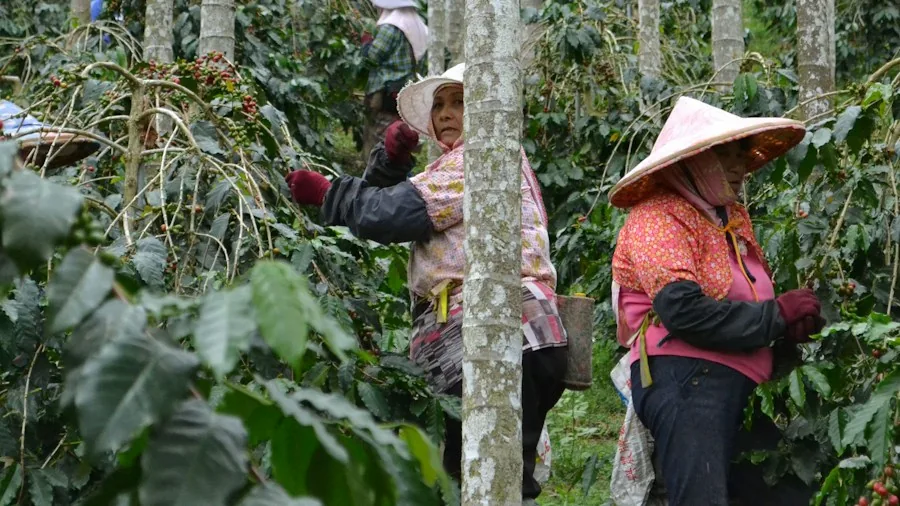
Brazil made headlines in August when authorities rescued 53 coffee workers from conditions legally classified as equivalent to slavery. The rescue operation was part of a nationwide enforcement sweep that freed 479 workers total, with coffee cultivation ranking second only to construction for the number of people rescued in a single industry sector. Throughout 2024, Brazil has rescued 214 coffee workers from slavery-like conditions, showing both the scope of the problem and increasing enforcement efforts.
For shoppers, this matters because it highlights supply chain vulnerabilities. While many specialty coffee brands emphasize ethical sourcing, these raids demonstrate that problems persist across the industry. If labor conditions concern you, seeking out brands that actively verify their supply chains becomes even more important when making purchasing decisions.
On the labor front domestically, workers at several Verve Coffee Roasters locations in California reached a tentative first union contract. The agreement includes wage progression, scheduling guarantees, and a path to full-time employment. Notably, the contract also requires that any employment decisions involving artificial intelligence be made by people rather than algorithms alone. This reflects growing concerns about AI in workplace decision-making and sets a potential precedent for other coffee retailers.
Specialty Auction Prices Reach Record Heights
Coffee auctions continue to showcase the premium market. Three recent private auctions saw extraordinary prices for specialty lots. An Ethiopian microlot sold for $1,739 per kilogram, while another premium Ethiopian coffee fetched $2,376.50 per kilogram. Most dramatically, a Geisha variety from Bolivia’s Finca Takesi commanded $3,100 per kilogram at auction. These record prices reflect strong demand for rare, high-quality beans and suggest that specialty coffee remains a growth area despite overall market challenges.
Convenience and Accessibility Improvements
Major changes are also happening at the retail level. Virginia-based ARKO Corp. upgraded coffee service across more than 1,000 convenience stores with a new customization program called Coffee Creations, allowing customers at convenience locations to personalize their coffee drinks similar to what you might expect at a dedicated cafe.
Italian coffee brand Lavazza launched its first U.S. loyalty program called My Lavazza, where members earn points for purchases both online and at participating retailers. Subscription customers get additional benefits. If you frequently buy Lavazza products, this program could offer tangible savings and exclusive perks.
For those interested in investing in home brewing equipment, retailers continue expanding their selections. Whether you prefer drip coffee makers that deliver consistently great-tasting results or single-serve options for flexibility, the market offers quality choices across all price points to match your brewing preferences.
Distribution and Growth Signals
Industry restructuring continues as Bad Ass Coffee relocated its headquarters from Denver to Lexington, Kentucky, while opening an East Coast distribution center. The chain, which now operates 48 locations, is positioning itself for franchise growth. Meanwhile, Mexico’s government expanded direct-to-consumer sales channels for coffee farmers, complementing existing programs that sell locally-grown beans through dedicated stores.
Starbucks selected Chennai, India, for a new global technology hub designed to bring work currently handled by external vendors in-house, with the initial phase expected to create about 800 technology jobs. These infrastructure investments signal confidence in continued coffee market growth and innovation.
What This Means for Your Coffee Choices
Together, these developments suggest a coffee industry becoming more transparent about where beans come from, how they are processed, and who profits from the sale. Labor reforms, origin roasting, and loyalty programs all push toward a market where consumers have better information and more direct relationships with producers. Whether you’re a casual drinker or a specialty coffee enthusiast, these changes offer more opportunities to align your purchases with your values. Exploring the full range of available coffee makers gives you the tools to enjoy whatever beans you choose to support.





Write Your Review
No reviews yet. Be the first to share your experience!