

What Modern Car Tuning Really Means
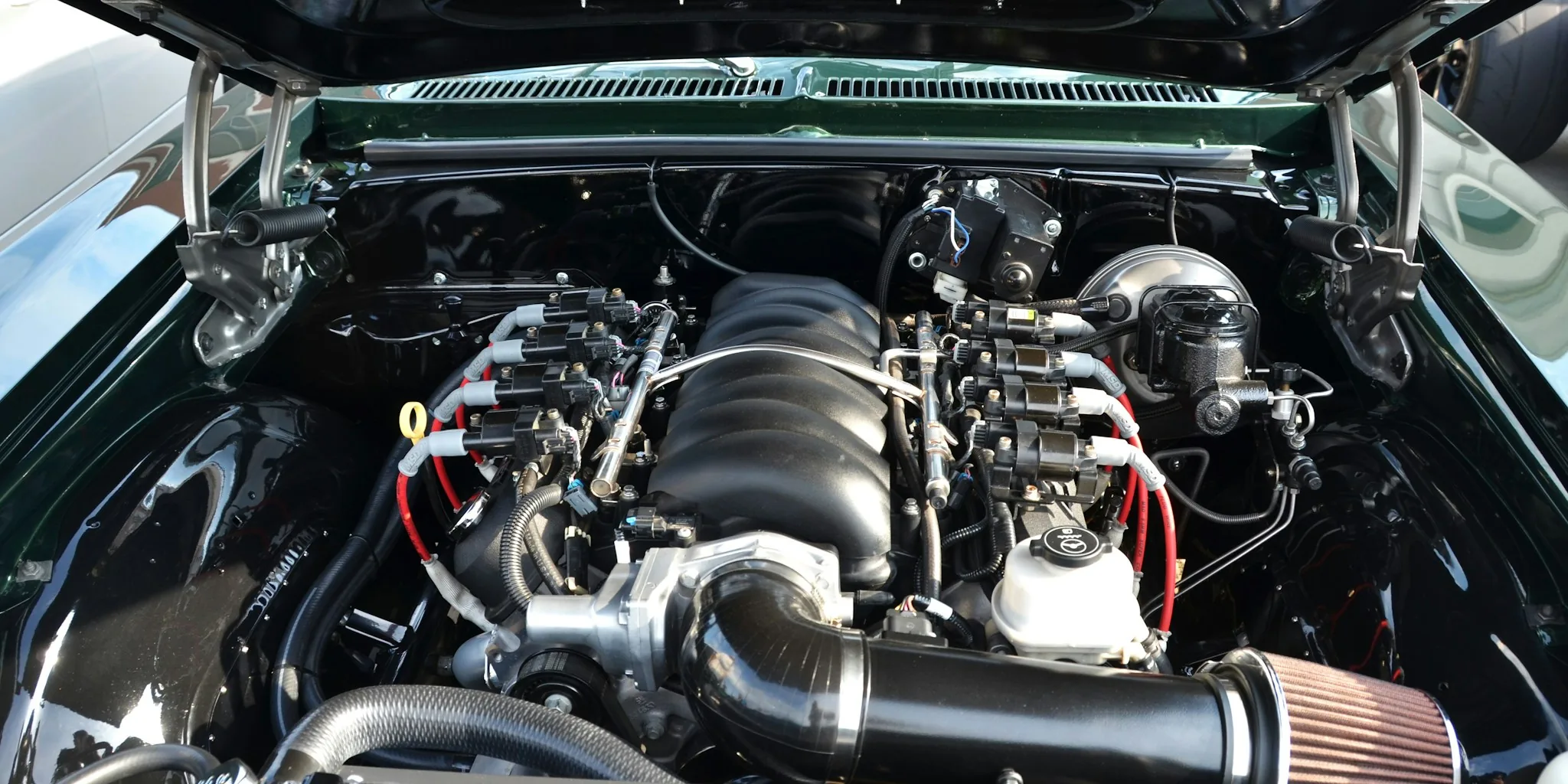
Engine tuning has evolved dramatically over the past few decades. While the fundamental principle remains the same, more power comes from more airflow, the methods have shifted from mechanical adjustments to sophisticated digital reprogramming. Understanding how tuning works today helps car buyers make informed decisions about performance upgrades and their potential impact on reliability and resale value.
The Core Science Behind Engine Power
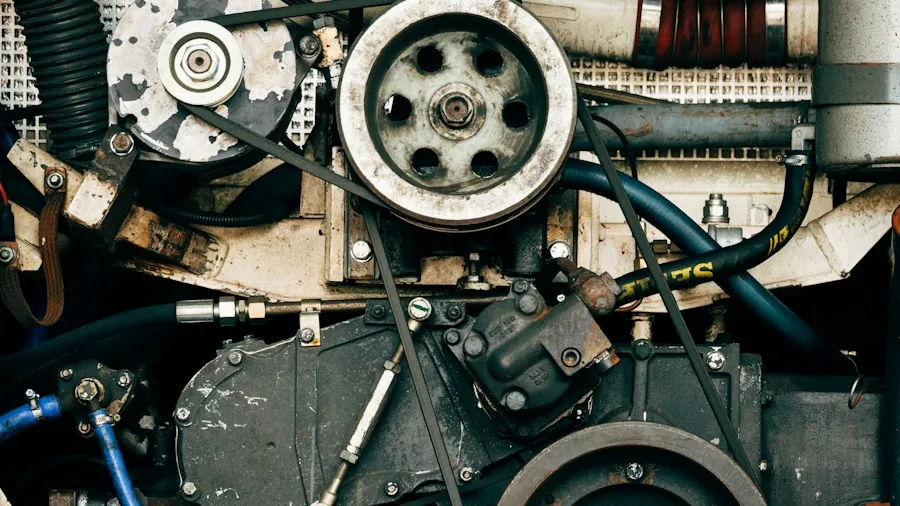
At its foundation, engine power depends on airflow rather than fuel supply. Engines burn roughly 14.7 times more air than fuel by weight, making airflow the limiting factor. Traditionally, mechanics increased power through larger carburetors, higher-lift camshafts, ported cylinder heads, turbochargers, and superchargers. All of these modifications serve one purpose: getting more air through the engine.
Modern engines complicate this picture significantly. Computer-controlled fuel injection, spark timing, variable valve systems, and turbo management have created incredibly efficient powerplants that would have seemed impossible during the muscle car era. Factory engines now deliver exceptional performance and fuel economy while producing virtually no smog emissions.
Why Modern Tuning Is Much Harder
The challenge for today’s tuners involves breaking through manufacturer encryption to reprogram engine computers. Car companies protect these systems for several reasons: competitive secrecy, regulatory concerns about emissions compliance, and warranty liability if modified engines fail. Unlike the old days when a mechanic could simply swap carburetor jets with hand tools, modern engine computers are locked behind sophisticated digital security.
According to industry experts, hackers and specialized tuning firms have found ways around these protections, often operating in Eastern Europe. Once the encryption is broken, tuners must decipher thousands of lines of code using specialized software like WinOLS, which costs roughly $1,000 and requires significant expertise. The learning curve is steep, and identifying which hexadecimal characters control ignition timing, fuel delivery, and turbo boost demands deep technical knowledge.
Hardware Changes vs. Software-Only Upgrades
Tuners have several approaches to extracting more power. For turbocharged engines, increasing boost pressure without hardware changes represents the easiest path. However, factory safeguards often limit how much power increase the computer will permit before triggering a derate. Fuel injectors typically have about 20 percent additional capacity beyond stock levels, but reaching much higher power outputs requires upgrading turbochargers, intercoolers, fuel systems, and exhaust components.
Reputable tuning shops like those offering performance vehicle protection options emphasize that extreme power claims found online are rarely realistic. A 1,000-horsepower engine requires reinforced pistons, rods, cylinder blocks, and extensive hardware modifications beyond simple software tweaks.
Different Tuning Approaches for Different Buyers

Buyers considering tuning have multiple paths. Some shops crack and reprogram engine computers directly, removing the unit from the vehicle and sending it to specialists. Others use devices that connect through the OBD-II port and modify the calibration without removing hardware. Piggyback tuning takes a different approach entirely, intercepting sensor signals to trick the engine computer into allowing more power without actually reprogramming the factory code.
Piggyback systems can be surprisingly effective, sometimes delivering 20 percent power increases by fooling the engine computer about boost pressure or other parameters. A BMW M5 fitted with this approach reportedly produced 913 horsepower on 100-octane fuel, proving that software tricks can deliver impressive results when done properly.
Choosing Between Reliability and Raw Power
Professional tuning firms vary in their approach. Some focus on engine recalibration alone, while others like those specializing in Corvettes or Mustangs offer complete packages including hardware upgrades, with pricing that reflects the comprehensive nature of the work. A typical twin-turbo package might run $23,000 and deliver nearly 200 additional horsepower.
The critical consideration involves matching your tuning goals to your intended use. Quick acceleration runs lasting only seconds demand different calibration than top-speed runs that stress the engine for minutes. If you plan to maintain resale value, more conservative tuning preserves reliability and warranty coverage better than extreme modifications.
What This Means for Car Shoppers
Anyone considering a tuned vehicle or planning to modify their own car should work with tuners who offer strong reputations, extensive experience with specific vehicles, and independent testing results. The cheapest tune is rarely the best investment. High-quality tuning requires proper testing on dynamometers, careful heat management, and thoughtful calibration that balances power gains with reliability and longevity.
Before committing to any performance upgrade, determine your realistic expectations. If you want occasional spirited driving, modest software tuning suffices. If you plan regular track days or extreme driving, comprehensive hardware and software packages become necessary. Most importantly, understand that pushing modified engines hard requires tuning expertise that separates reliable upgrades from scattered engine parts on the pavement.






Write Your Review
No reviews yet. Be the first to share your experience!