

2028 Range Rover Sport Electric What Shoppers Need to Know
Land Rover has officially announced the arrival of a second fully electric vehicle to its lineup, the 2028 Range Rover Sport Electric. This move represents a significant expansion of the brand’s EV portfolio and gives luxury SUV buyers another high-performance option in the rapidly growing electric vehicle market. The new Sport Electric will launch in the U.S. sometime during 2027 for the 2028 model year, adding meaningful choice for consumers interested in premium electric powertrains.
Performance and Power Delivery
The 2028 Range Rover Sport Electric shares its core mechanical DNA with the full-size Range Rover Electric that debuted in 2027. Both vehicles use the same 119-kWh battery pack and dual-motor setup, producing 542 horsepower. The Sport model accelerates from zero to 60 miles per hour in approximately 4.3 seconds, which matches the acceleration of the current V-8 powered Range Rover Sport SE.
What sets the Sport Electric apart is how its torque delivers to the road. Land Rover engineers have calibrated the electric motors to deploy maximum torque 50 percent faster than in the larger Range Rover Electric, creating more responsive throttle response. The engineering team also revised the air suspension with electronic active roll control and twin-valve dampers specifically for this smaller model. What exclusive car events reveal about buyers today often includes feedback on how driving dynamics feel in real-world conditions, and Land Rover tested this model extensively at demanding Italian marble quarries to validate its capabilities on slippery surfaces and steep inclines.
Handling and Agility
The shorter wheelbase of the Range Rover Sport Electric compared to the full-size model creates an important advantage. Combined with all-wheel steering capabilities and a dedicated Dynamic mode for traction management, the Sport should feel noticeably more nimble and engaging in corners. While the full-size Range Rover Electric prioritizes luxury and comfort, the Sport variant receives a performance-focused tuning strategy that appeals to drivers seeking sportier handling characteristics.
Range and Charging Speed
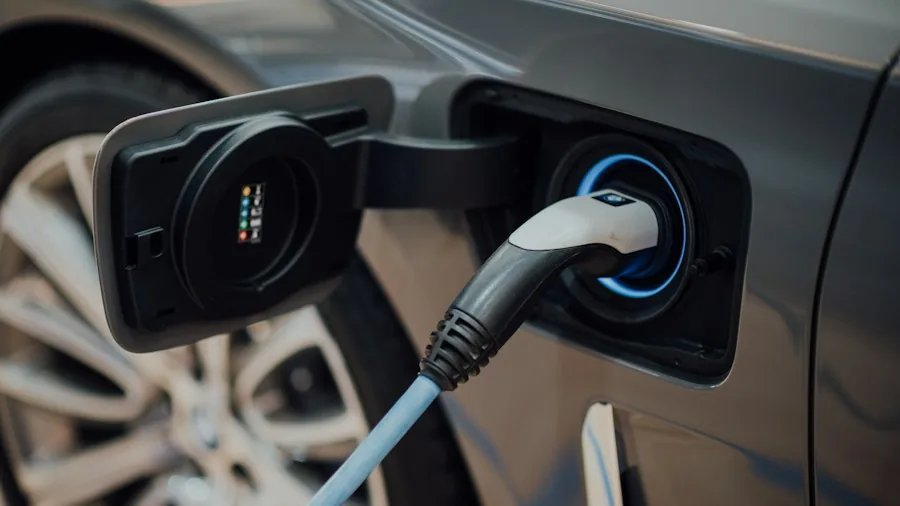
The Sport Electric delivers approximately 378 miles of WLTP range in European testing, which should translate to roughly 333 miles of EPA-rated range in the United States. For consumers accustomed to traditional gas-powered vehicles, this distance per charge eliminates most daily range anxiety concerns. Fast charging is another strong point: the vehicle adds 136 miles of range in just 10 minutes of DC fast charging under WLTP conditions. From a 10 percent state of charge to 80 percent takes approximately 22 minutes. These numbers position the Sport Electric competitively within the premium EV segment.
Pricing Considerations
Land Rover has not yet released official U.S. pricing for the 2028 Range Rover Sport Electric. However, the U.K. starting price converts to approximately $117,000 when accounting for value-added tax, making it roughly $20,000 less expensive than the full-size Range Rover Electric. U.S. pricing will likely reflect a similar gap, though final figures remain pending. Recent breakthroughs in charging speed across the EV market continue to raise consumer expectations for what fast charging should deliver.
Real-World Implications for Buyers
The introduction of the Range Rover Sport Electric gives luxury SUV shoppers an important alternative to traditional powertrains. The vehicle bridges a gap between the compact proportions that make a smaller SUV easier to manage daily and the high-tech powertrain that appeals to environmentally conscious buyers and those seeking reduced fuel costs. The emphasis on torque response and handling dynamics suggests Land Rover is taking seriously the idea that electric vehicles do not have to sacrifice driving pleasure.
For buyers considering premium electric vehicles in the $115,000 to $125,000 range, the Sport Electric will offer substantially similar capability to the larger Range Rover Electric in a package that should prove easier to park, maneuver, and handle on winding roads. The all-wheel-steering system is particularly noteworthy, as this technology remains relatively uncommon in the EV market and provides meaningful practical benefits in confined spaces.
What to Expect
Real-world performance testing will ultimately determine whether the Sport Electric lives up to Land Rover’s engineering ambitions. The company demonstrated the vehicle’s capabilities in controlled testing environments, but consumer feedback following its 2027 U.S. launch will provide clearer insight into how the model performs during daily use, charging reliability, and long-term ownership satisfaction. Shoppers interested in premium electric SUVs should expect this model to compete directly with other high-end EV options arriving in the same timeframe.



Write Your Review
No reviews yet. Be the first to share your experience!