


2027 Hyundai Tucson Hybrid Redesign What Buyers Should Know
Hyundai has unveiled the redesigned 2027 Tucson, and the hybrid variant brings meaningful upgrades that compact SUV shoppers should understand. The new generation represents a significant step forward in size, power, and efficiency for one of the market’s most popular models.
Size and Dimensions Get a Major Boost
The 2027 Tucson is noticeably larger across all dimensions compared to the outgoing model. The vehicle stretches longer, sits wider, stands taller, and features an extended wheelbase. These increases translate to more interior space, better cargo capacity, and improved ride quality on the road. For families and commuters who have felt cramped in older compact SUVs, this growth matters. The expanded footprint brings the Tucson closer to mid-size territory without sacrificing the fuel efficiency and maneuverability that define the compact segment.
Engine Power and Fuel Economy Details
At the heart of the hybrid variant sits a turbocharged 1.6-liter four-cylinder engine paired with electric motor assistance, producing a combined 233 horsepower. This powertrain configuration balances performance with efficiency in ways that traditional gasoline engines cannot match. Hyundai offers both front-wheel-drive and all-wheel-drive configurations, giving buyers flexibility based on their climate and driving needs.
The front-wheel-drive hybrid model is rated for up to 42 miles per gallon, a figure that positions it competitively in the compact SUV class. That efficiency matters significantly for everyday owners who track fuel costs at the pump. As automakers across the industry continue refining SUV lineups, fuel economy remains a top consumer priority, and Hyundai’s hybrid approach delivers real-world value.
Exterior Design and LED Lighting
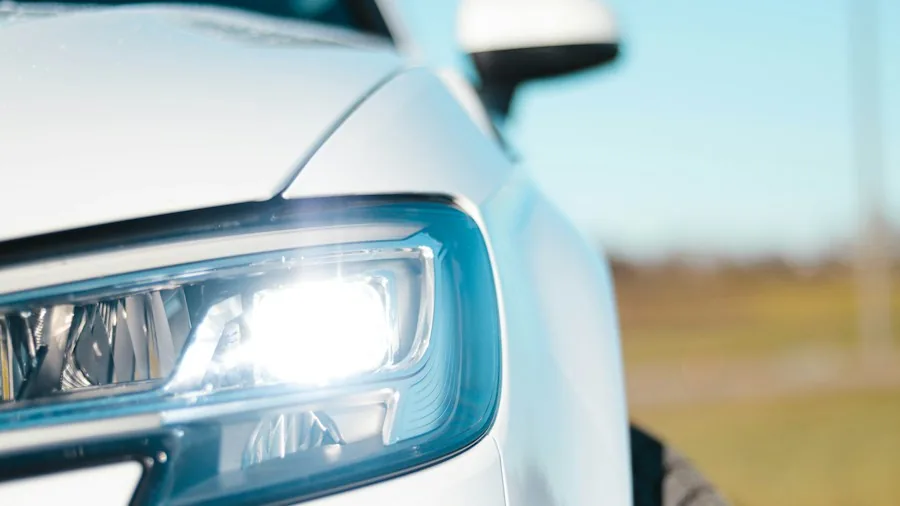
The refreshed Tucson presents a modern face that emphasizes technology and premium styling. The front fascia incorporates contemporary LED lighting elements that enhance both day and nighttime visibility. The headlights sit lower in the fascia, while slim daytime running light strips above provide a distinctive signature. The rear end continues this lighting theme with pixel-style LED taillights that deliver contemporary flair and improved safety.
This design language signals Hyundai’s commitment to making the Tucson feel more upscale and confident on the road. Buyers shopping in the compact SUV segment increasingly expect design clarity and visual distinction, and the 2027 model delivers that expectation.
Powertrain Options and What’s Missing
An important detail for prospective buyers: Hyundai has decided against offering a plug-in hybrid version for this generation. That decision simplifies the lineup and keeps focus on the standard hybrid’s practicality and value. Plug-in hybrids appeal to a specific buyer demographic with access to home charging, but they add cost and complexity. By concentrating on the conventional hybrid, Hyundai targets the broader market of buyers seeking efficiency without charging infrastructure requirements.
Luxury competitors in the SUV space often offer plug-in options as standard, so Hyundai’s choice emphasizes accessibility and straightforward practicality over premium positioning.
What This Means for Shoppers
The redesigned Tucson hybrid presents a compelling option for practical buyers who prioritize efficiency, space, and modern features without excessive complexity. The larger dimensions mean more room for families, while the 233-horsepower hybrid engine delivers adequate acceleration and responsive handling. Front-wheel-drive with 42 mpg efficiency suits most climates and driving patterns, though all-wheel-drive buyers can choose that option when weather or terrain demands it.
Compact SUVs remain the fastest-growing segment in the American market, and the 2027 Tucson positions itself squarely in the middle of that competition. Shoppers evaluating SUVs across different sizes and configurations should view the Tucson’s size increase as a bridge between traditional compact and mid-size offerings. The growth accommodates real-world needs without penalizing fuel economy or handling.
For buyers focused on value, the lack of a plug-in hybrid option may actually streamline the decision process. The standard hybrid targets the largest buyer pool and keeps pricing more competitive. Hyundai’s refresh demonstrates the brand’s understanding of what practical SUV buyers actually need, and the 2027 Tucson should appeal to shoppers seeking balance between space, efficiency, and contemporary styling without premium luxury pricing.




Write Your Review
No reviews yet. Be the first to share your experience!