
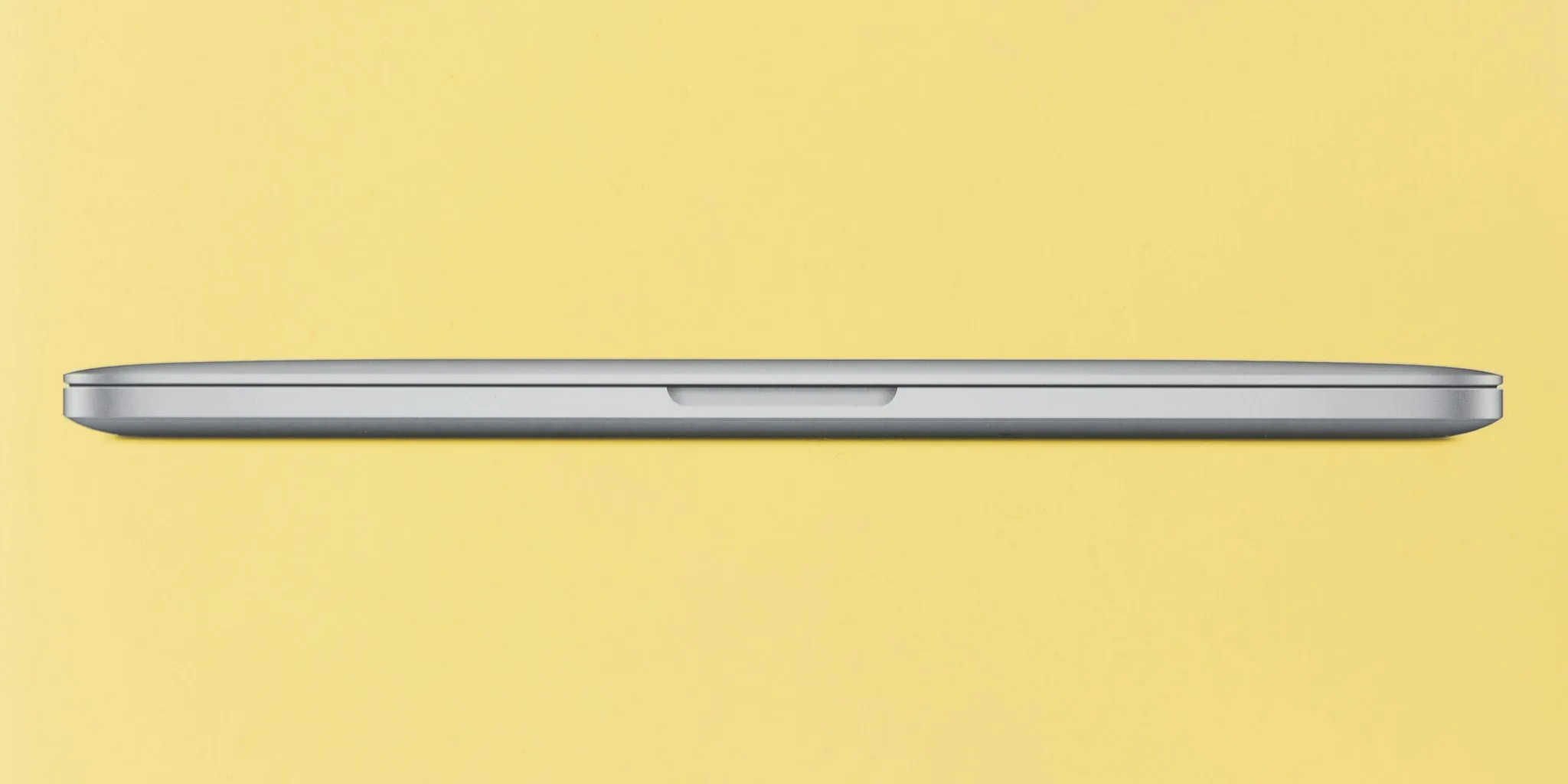

OLED technology continues to reshape how manufacturers design consumer electronics, and recent industry developments signal that this display innovation is moving beyond premium segments into everyday devices. For shoppers, understanding what OLED means for pricing, performance, and design tradeoffs has never been more important.
Why OLED is Changing Product Design
OLED displays operate fundamentally differently from traditional LED screens. Each pixel produces its own light rather than relying on a backlight, which means manufacturers can build significantly thinner and lighter devices without compromising picture quality. This technology enables engineers to miniaturize internal components and rearrange how electronics are assembled from the ground up.
The shift toward OLED is driving a wave of product redesigns across multiple categories. Manufacturers are using the extra space freed up by slimmer displays to either reduce overall device thickness or maintain current dimensions while improving internal efficiency. Some brands are rumored to be pursuing more aggressive thinning strategies, reducing weight substantially compared to previous generations.
What This Means for Battery Life and Features

When manufacturers redesign products around OLED technology, shoppers rightfully ask what gets sacrificed. The primary concern centers on battery capacity and longevity. Thinning a device’s chassis requires careful engineering, and some worry that packing components more densely could reduce how long a charge lasts between uses.
Connectivity represents another potential casualty. As devices shrink, manufacturers face tough choices about which ports to keep and which to eliminate. Fewer USB connections, headphone jacks, or charging options could affect your ability to connect peripherals. Before purchasing an OLED-based device, verify which ports and connectivity options are included, especially if you rely on specific external devices.
Like traditional OLED technology in home theater applications, the efficiency gains from OLED displays don’t always translate into tangible real world benefits for consumers. Marketing materials emphasize the sleek new design, but practical improvements to everyday usage may be modest.
The Price Premium Reality
OLED technology carries a manufacturing cost premium, and adding a redesigned chassis with miniaturized components typically increases that expense further. Shoppers considering OLED devices should expect higher price tags compared to conventional alternatives. This isn’t simply about the display technology itself but about the engineering effort required to integrate OLED into a completely reimagined form factor.
Budget conscious consumers may find that traditional LCD or LED display options deliver better value, especially if the key selling points of the OLED version center primarily on thinness rather than visual performance. Before upgrading, evaluate whether the thinner profile justifies the price difference for your specific use case. You might discover that a slightly heavier device with a lower cost and longer battery life better matches your actual needs.
Understanding OLED Quality Improvements

To be clear, OLED isn’t just about making things thin. The display technology itself offers genuine advantages: deeper blacks, higher contrast ratios, faster response times, and superior color accuracy compared to LED alternatives. For content creators, designers, and anyone prioritizing screen quality, these benefits represent real value beyond the aesthetic appeal of a slimmer chassis.
When evaluating OLED products, don’t let the weight reduction distract you from assessing actual display performance. Compare brightness levels, color accuracy ratings, and real world usage reports. Just as OLED TVs require careful consideration of brightness and dimming features, portable OLED devices demand thorough evaluation of screen quality specifications.
What Shoppers Should Do Now
If OLED devices in your product category are imminent, resist the urge to rush your purchase. Allow the initial batch to reach market and accumulate real world usage data. Early adopters often discover battery longevity issues or unexpected design compromises that only become apparent after weeks of daily use.
Research specific models thoroughly before buying. Read detailed reviews that test battery life, port availability, and thermal performance under sustained use. Compare pricing across retailers, as OLED devices sometimes carry different markup levels depending on the seller and availability timing.
Consider your actual usage patterns. If you primarily work from a desk with peripherals connected and rely on your device for 8+ hours daily, prioritize battery capacity and port selection over thinness. Conversely, if you frequently travel and value portability, the weight savings might justify accepting reduced connectivity or slightly shorter battery life. Understanding how OLED technology continues evolving also helps contextualize whether this generation represents a meaningful upgrade.
OLED represents legitimate technological progress, but like any new consumer technology, it involves tradeoffs. Making informed decisions means looking beyond marketing hype about thinness and carefully weighing performance, features, and pricing against your actual needs.






Write Your Review
No reviews yet. Be the first to share your experience!