


A Major Leap Forward in Display Brightness and Power Efficiency
Samsung Display has announced a significant breakthrough in OLED screen technology with its new M16 panel, which achieves peak brightness levels of 10,000 nits in small window areas. While the headline-grabbing brightness numbers are impressive, the real game-changer for consumers is the panel’s 30 percent improvement in energy efficiency compared to its predecessor.
This next-generation OLED represents a meaningful evolution in display technology. The M16 can deliver 10,000 nits when displaying content in just 1 percent of the screen window, while maintaining a full-screen brightness output of 2,800 nits. For context, these figures place the technology in the range of micro-LED performance, a milestone that OLED displays have not previously achieved.
Why Efficiency Matters More Than Peak Brightness
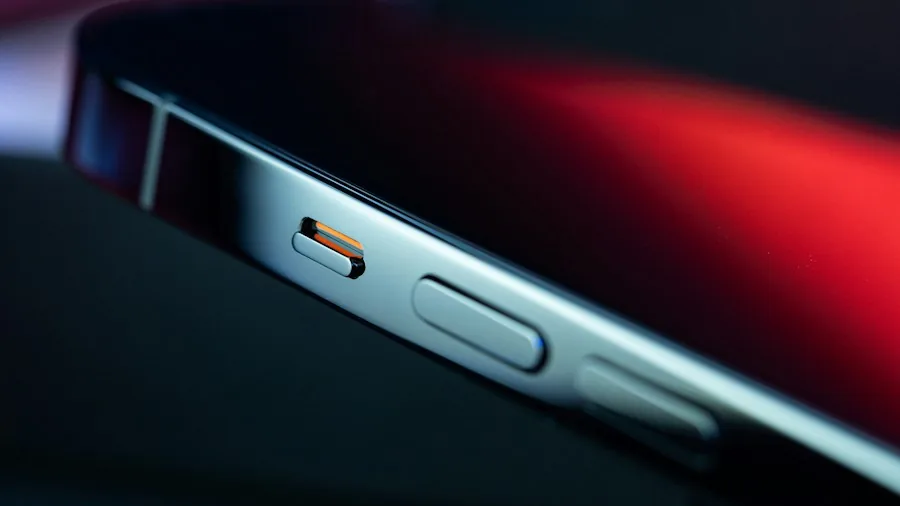
Most consumers won’t need their smartphone or television display to reach the brightness of direct sunlight, which is what these peak nit levels represent. Instead, the meaningful improvement lies in how the M16 achieves efficiency gains through Samsung’s second-generation polarizer-free OLED technology.
This approach allows the panel to deliver the same level of brightness at typical viewing conditions while consuming significantly less power. Since display screens rank among the largest battery drains in mobile devices and home entertainment systems, this efficiency gain translates directly into longer usage time between charges and reduced energy consumption for stationary displays. For tablet users and those who rely on portable devices throughout their day, extended battery life represents a concrete, practical benefit.
The technology is already making its way into consumer products. The Vivo iQOO 16 gaming phone is the first device to feature the M16 display. Industry reports also suggest that upcoming premium smartphones from major manufacturers are incorporating this display technology, which signals broader adoption across the market.
What This Means for TV and Monitor Buyers
While the M16 initially appears in mobile devices, the advances in OLED materials and construction may eventually influence the best OLED TVs for movie lovers and gamers. Samsung Display demonstrated the rapid pace of innovation when it introduced a 5,000 nit OLED screen in early 2025. The company has now doubled that brightness level and achieved substantial efficiency improvements in just over a year, demonstrating that OLED technology continues to advance at an accelerated rate.
For those shopping for new displays across categories, this development suggests that OLED options will continue improving. Gaming monitors may see these advancements reach the market sooner than television panels, given the smaller size and lower production volume requirements. The new OLED gaming monitor lineup expansions from major manufacturers reflect growing confidence in OLED’s future across multiple display categories.
Understanding the Trade-offs and Timeline
Consumers should understand that while this technology is genuinely advanced, there are some considerations worth noting. The polarizer-free design, while enabling efficiency gains, involves trade-offs in contrast definition and black level performance compared to traditional OLED construction. Some manufacturers are addressing this by incorporating additional anti-reflective coatings and optical treatments to compensate.
The transition from mobile applications to larger displays like television screens and desktop monitors will take time. The technology must prove itself in high-volume production, manufacturing costs must stabilize, and supply chains must develop the capacity to meet demand. However, given the rapid progression from 5,000 nits to 10,000 nits in just over a year, the pace suggests that consumer availability across display categories is moving faster than typical technology adoption timelines.
Manufacturers promoting alternative display technologies cannot afford complacency. The evolution of OLED continues at a speed that challenges competing technologies to advance equally. Whether you’re interested in OLED laptop pricing and availability or television displays, Samsung’s new M16 announcement signals that meaningful improvements in brightness, efficiency, and overall performance remain on the horizon.
Takeaway for Smart Shoppers
The immediate impact of this announcement may be most noticeable to smartphone users who see longer battery life in their next device refresh. For buyers planning larger display purchases, the knowledge that OLED technology is advancing rapidly should inform decisions. Whether to wait for next-generation displays incorporating these efficiencies, or to purchase current-generation OLED panels now, depends on your timeline and budget. What’s clear is that OLED technology remains in active development with tangible improvements in efficiency and performance arriving on consumer products within months rather than years.






Write Your Review
No reviews yet. Be the first to share your experience!