

A Historic Tradition Makes Its Modern Comeback
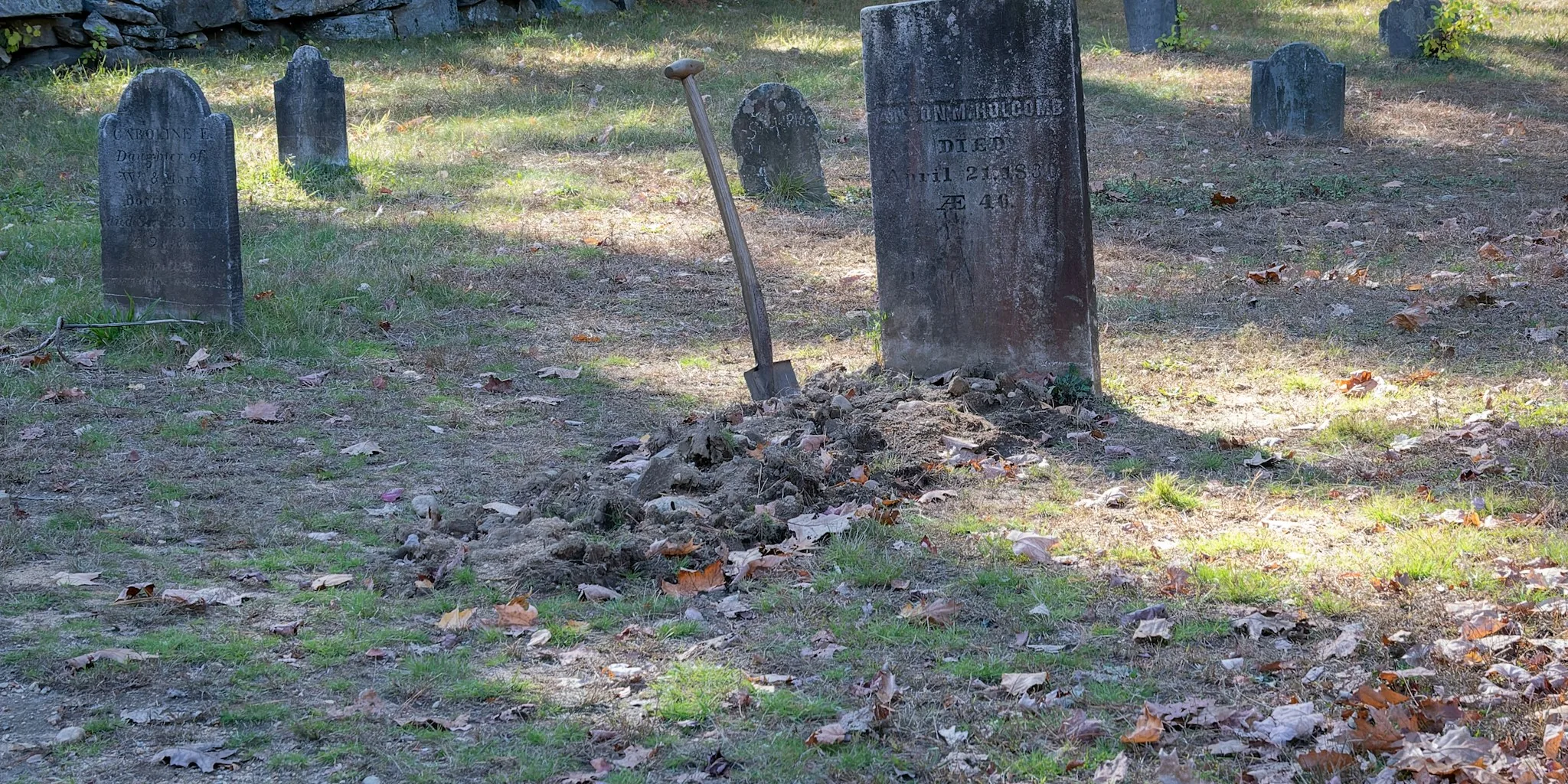
Cemetery hiking is experiencing a genuine resurgence across the United States, and it’s not some passing fad born from social media trends. This outdoor activity, rooted in 19th century leisure culture, is drawing hikers of all ages who seek peaceful natural spaces combined with historical reflection. Major publications recently highlighted this phenomenon, with travelers and outdoor enthusiasts increasingly planning trips specifically to explore historic gravesites and the natural ecosystems surrounding them.
What’s driving this comeback? The reasons are deeply tied to both history and the modern need for mental wellness. Urban cemeteries function as genuine greenspaces, offering respite from city noise and providing opportunities for quiet contemplation. Whether you’re a seasoned hiker or someone looking for a new outdoor experience, cemetery hikes offer accessible trails that combine gentle walking with meaningful connection to place and history.
The History Behind the Movement
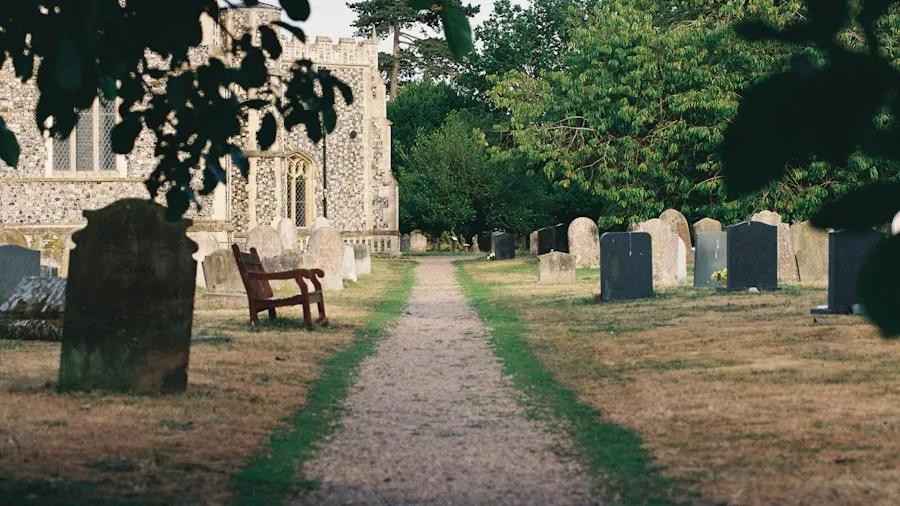
The concept isn’t new at all. Victorian-era Americans regularly visited garden cemeteries as social destinations, treating them as early versions of modern parks. Mount Auburn Cemetery in Cambridge, Massachusetts, established in 1831 by horticulturalists, actually predates Yellowstone National Park by decades. These spaces were designed to be beautiful, walkable environments that served the dual purpose of honoring the deceased while providing restorative outdoor space for the living.
Over the past century and a half, cultural attitudes around death and burial practices shifted dramatically, distancing most Americans from regular cemetery visits. The current revival represents a reclamation of this Victorian tradition, now reframed through contemporary lenses of wellness, ecological awareness, and historical tourism.
Why Cemeteries Matter for Your Mental and Physical Health
Recent research from Norwegian social scientists demonstrates what many hikers intuitively sense: cemeteries provide measurable psychological and restorative benefits comparable to other natural greenspaces. Time spent among historic gravesites reduces stress, promotes mental clarity, and offers the same peaceful effects you’d find in a forest or park. The practice works especially well for urban residents seeking nature without traveling far from home.
Beyond personal wellness, cemeteries serve critical ecological functions. These maintained greenspaces provide habitat for migratory birds, urban predators, trees, flowers, and fungal networks. A comprehensive analysis of global ecological data confirms that historic garden cemeteries significantly contribute to urban biodiversity and environmental health.
What This Means for Hikers and Outdoor Enthusiasts
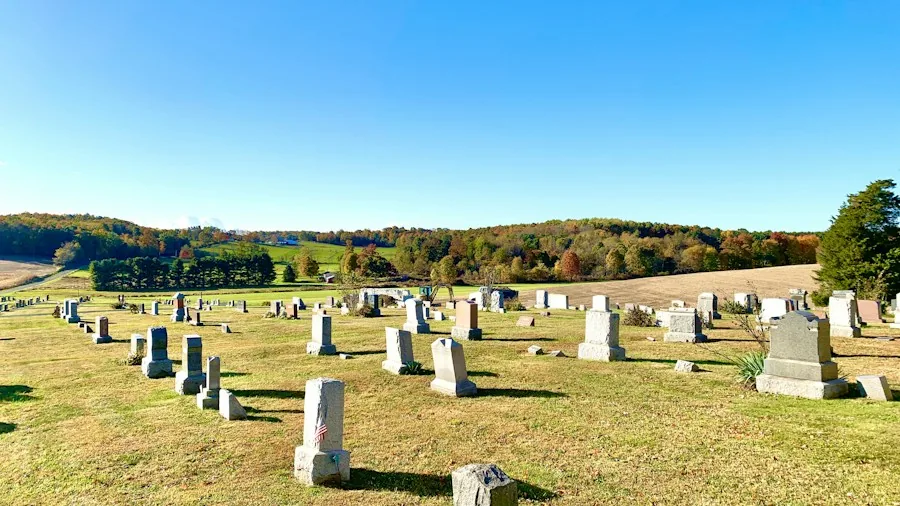
If you’re interested in exploring cemetery hiking, start by researching historic cemeteries in your region. Many offer accessible trails ranging from short, leisurely walks to more challenging hikes covering multiple miles. The Franklin Ghost Town cemetery hike in Black Diamond, Washington, exemplifies the appeal: at just 2.5 miles round-trip, it delivers stunning views of Mount Rainier while taking hikers past a restored 1,300-foot mine shaft and historic graves dating back over a century.
Most cemetery hikes are free or low-cost, making them accessible outdoor activities for families, solo travelers, and fitness enthusiasts alike. Children find these spaces intriguing and educational, while adults appreciate the contemplative atmosphere. Before you head out, ensure you have proper footwear for hiking since cemetery terrain can include uneven ground, overgrown vegetation, and varied elevation changes. Blackberry thickets, forest undergrowth, and sometimes challenging path conditions mean you’ll want sturdy, supportive shoes designed for outdoor walking.
Consider bringing sun protection, water, and a light layer even for short hikes. Many cemetery spaces include sitting areas where you might pause to journal, photograph, or simply reflect. These walks work well as solo outings or group adventures, and increasingly, organized cemetery nature walks led by outdoor groups are becoming available in major cities.
Getting Started with Your Own Cemetery Exploration
Begin by identifying historic cemeteries near your home or travel destinations. Contact local historical societies or park departments to learn about maintained hiking paths within cemetery grounds. Some organizations now specialize in guided cemetery walks, combining historical narration with outdoor activity.
The beauty of cemetery hiking lies in its accessibility. Unlike backcountry trails requiring specialized gear, cemetery exploration often requires minimal equipment: comfortable hiking shoes, weather-appropriate clothing, and perhaps a small backpack with water. The emotional and ecological benefits, however, far exceed the simple logistics.
As cemetery hiking gains recognition as a legitimate outdoor pursuit, new trails and organized walks continue emerging nationwide. Whether you’re drawn by historical curiosity, the search for peaceful greenspace, or genuine outdoor recreation, cemetery hiking offers something genuinely restorative in our increasingly fast-paced world. It’s an opportunity to slow down, connect with nature and history simultaneously, and discover why this Victorian-era practice remains profoundly meaningful today.






Write Your Review
No reviews yet. Be the first to share your experience!