
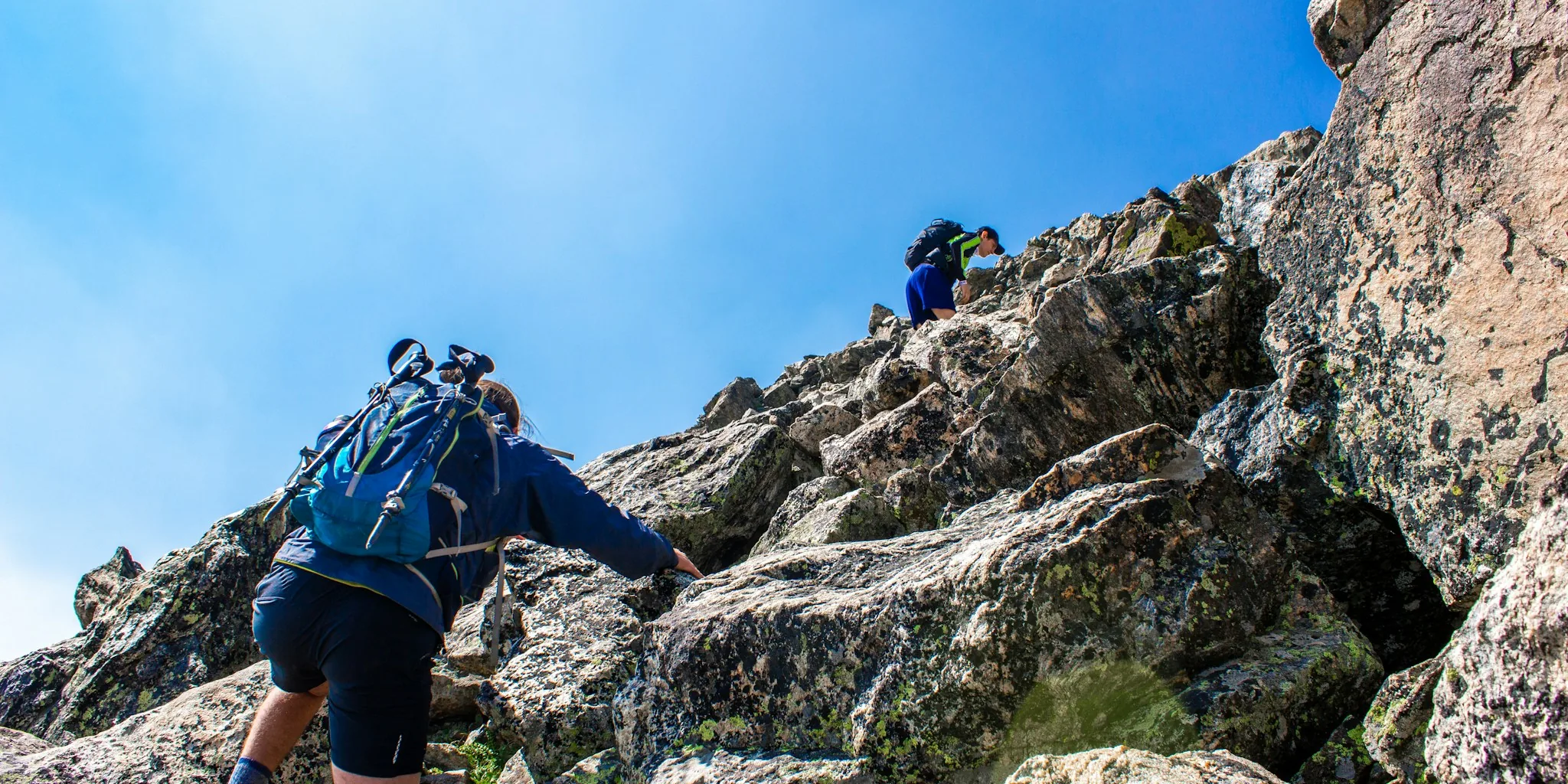

Finding the right hiking shoes for men can make or break a day on the trail. Whether you are navigating rocky switchbacks in the Rockies, scrambling through muddy forest paths in the Pacific Northwest, or logging miles on well-groomed day hikes, the footwear you choose directly affects your comfort, safety, and overall enjoyment. Brands like KEEN, Merrell, Columbia, NORTIV 8, and FitVille each take different approaches to balancing traction, waterproofing, cushioning, and weight, giving shoppers a wide range of options at every price point.
Our independent review team put 6 models through real-world field evaluations during October 2026, testing them across dry gravel fire roads, wet creek crossings, and steep wooded climbs. We measured breathability under load, outsole grip on slick surfaces, and long-term comfort over multi-hour sessions. No brand paid for placement here. Buyadvanced is a fully independent review site that does not sell products or accept compensation from manufacturers. If you are also gearing up for the season, pairing solid hiking shoes with quality hiking pants for men makes a meaningful difference in overall trail comfort.

Pros
- Excellent waterproof protection without sacrificing breathability, keeping feet comfortable in unpredictable weather
- Responsive cushioning provides all-day comfort even on longer hikes with significant elevation changes
- Aggressive tread pattern delivers reliable traction across multiple terrain types and conditions
- Premium materials and expert craftsmanship ensure these boots withstand years of regular trail use
- Competitively priced for the level of performance and protection offered
Cons
- Leather upper requires occasional cleaning and conditioning to maintain water resistance over time
- Break-in period typical for quality hiking boots, though cushioning accelerates comfort
- Limited color options compared to some competing models in the same price range
The Columbia Transverse Hike Waterproof boots deliver solid performance for hikers seeking reliable protection and comfort on varied terrain. The OMNI-TECH waterproof-breathable construction uses multilayered, seam-sealed design that effectively blocks moisture from rain and snow while allowing internal humidity to escape, keeping feet dry without creating a clammy environment during active hiking. The TECHLITE cushioning system provides lightweight impact absorption with excellent energy return, making these boots comfortable for full-day adventures without the weight penalty of traditional hiking footwear.
Traction and stability are handled by the OMNI-GRIP sole, which features specially formulated rubber compounds and strategically blended lug patterns designed to grip rock, dirt, gravel, and other trail surfaces in both wet and dry conditions. The durable leather and mesh upper construction combines protection with breathability, while reinforced stitching and metal hardware demonstrate Columbia's commitment to longevity. The cushioned ankle collar adds comfort during longer hikes, and the overall design balances protection with a relatively lightweight feel that won't tire your feet unnecessarily.
These boots represent solid value for hikers who want proven waterproof protection, responsive cushioning, and reliable traction without premium pricing. They're particularly well-suited for hikers who encounter variable weather conditions and need confidence that their footwear will perform consistently across different terrain types. The imported construction reflects Columbia's quality standards, though like all quality leather hiking boots, they'll benefit from occasional maintenance to preserve water resistance over multiple seasons of use.
| Brand | Columbia Sportswear |
| Model Number | 206740 |
| Department | Men's |
| Shoe Type | Hiking Boot |
| Upper Material | Leather and Mesh |
| Sole Material | Rubber |
| Shaft Height | Ankle |
| Shaft Circumference | 1 Inch |
| Waterproofing | OMNI-TECH (Seam-sealed, multilayered) |
| Cushioning | TECHLITE (Lightweight impact absorption) |
| Traction System | OMNI-GRIP (Multi-terrain grip) |
| Hardware | Metal |
| Origin | Imported |
| Date Available | October 26, 2023 |
| Best Sellers Rank | #24 in Men's Hiking Shoes |
Cleaning: Remove dirt and debris with a soft brush or damp cloth after each hike. For stubborn mud, allow boots to dry completely before brushing. Rinse with clean water and air dry at room temperature away from direct heat or sunlight.
Waterproofing Maintenance: The OMNI-TECH seam-sealed construction is designed to repel water, but effectiveness can be maintained by periodically applying a quality leather conditioner or waterproof treatment designed for hiking boots. This is especially important after extended use or exposure to harsh conditions.
Storage: Store in a cool, dry place away from direct heat sources. Stuff with newspaper to help maintain shape and absorb moisture. Avoid prolonged storage in damp environments, which can degrade the leather and compromise waterproofing.
Inspection: Regularly check stitching, sole attachment, and overall condition. Address any wear or damage promptly to extend boot life and maintain performance on the trail.
Who Should Buy These Boots: The Columbia Transverse Hike Waterproof is ideal for male hikers who regularly encounter variable weather conditions and need reliable waterproof protection without premium pricing. They work well for day hikes, weekend backpacking trips, and mixed-terrain adventures where traction and comfort are priorities.
Sizing Considerations: Like most quality hiking boots, these may require a brief break-in period. Consider your typical sock thickness when sizing, and ensure adequate toe room to prevent blisters on descents. Many hikers prefer a half-size larger in hiking boots than their casual shoe size.
Terrain Suitability: These boots excel on rocky, muddy, and gravelly trails in wet or dry conditions. The OMNI-GRIP sole provides confidence on technical terrain, while the ankle support helps on uneven ground. They're less specialized for extreme mountaineering but perfectly suited for backcountry and trail hiking.
Maintenance Investment: Budget for occasional leather conditioning and waterproof treatment to maintain performance over multiple seasons. This modest maintenance investment significantly extends boot life and preserves water resistance.
Waterproof Performance: The OMNI-TECH system effectively blocks rain and light snow while maintaining breathability. Seam-sealed construction prevents water infiltration at vulnerable points, making these boots reliable in moderate wet conditions. Extended exposure to heavy rain or stream crossings may eventually compromise seals, but normal hiking in variable weather presents no issues.
Cushioning and Comfort: TECHLITE cushioning provides noticeable impact absorption on rocky and uneven terrain. The responsive design doesn't feel overly soft or spongy, instead offering a balanced feel that supports natural foot motion. Most users report comfort improves after initial break-in, with all-day hiking becoming increasingly comfortable as the boot adapts to individual foot shape.
Traction and Stability: The OMNI-GRIP sole delivers confident grip on multiple surface types. The lug pattern effectively sheds mud and water while maintaining contact with wet rock and slippery terrain. Ankle support from the boot's construction provides stability on uneven ground without feeling restrictive, making these boots suitable for hikers who need security without excessive stiffness.

Pros
- Excellent waterproof protection without compromising breathability in humid conditions
- Lightweight construction makes these shoes comfortable for all-day hiking and trail running
- Antimicrobial treatment effectively reduces odor buildup on longer trips
- Aggressive tread pattern and protective toe cap handle rocky, technical trails confidently
- Removable EVA foam footbed (50% recycled) provides customizable cushioning and support
Cons
- GORE-TEX models may run warmer in extremely hot climates despite breathable mesh design
- Initial break-in period may cause minor heel friction until the shoe molds to your foot
The Merrell Accentor 3 delivers reliable performance for hikers who prioritize lightweight comfort and all-weather protection. The GORE-TEX waterproof membrane is the standout feature here, creating a breathable barrier that keeps moisture out while allowing sweat vapor to escape. This is particularly valuable on humid trails where traditional waterproofing can feel suffocating. The suede and mesh upper construction balances durability with ventilation, and the Aegis antimicrobial treatment actively works to reduce odor and keep your feet feeling fresher during multi-day excursions.
Protection and durability are built into every detail. The reinforced rubber toe cap guards against impacts from rocks and roots, while the bellows tongue design prevents trail debris from working its way inside. At the foundation, the 50% recycled EVA foam footbed is removable, allowing you to swap in custom orthotics or adjust cushioning to match your specific needs. The outsole provides solid grip on varied terrain without the weight penalty of heavier aggressive tread patterns.
These shoes excel on warm, wet trails throughout North America where conditions demand both breathability and waterproof protection. They're equally at home on day hikes and longer backpacking trips. While the initial break-in period is relatively short compared to many hiking shoes, the lightweight design means you'll spend less energy on every step, making them an excellent choice for hikers who value efficiency and comfort over maximum cushioning.
| Brand | Merrell |
| Model | Accentor 3 |
| Department | Men's |
| Outer Material | Suede Leather & Breathable Mesh |
| Inner Material | Cotton Lining |
| Sole Material | Rubber |
| Footbed | 50% Recycled Removable EVA Foam |
| Key Features | GORE-TEX Waterproof, Aegis Antimicrobial Treatment, Bellows Tongue, Protective Toe Cap, 100% Recycled Laces |
| Best For | Hiking, Trail Running, Warm & Humid Conditions |
| Origin | Imported |
| Date Available | July 29, 2024 |
Cleaning: Remove excess dirt with a soft brush or damp cloth after each hike. For deeper cleaning, rinse with cool water and mild soap, then air dry away from direct heat or sunlight. Never use a washing machine or dryer.
Drying: Stuff shoes with newspaper and allow them to dry naturally at room temperature. Replace newspaper as it absorbs moisture. Proper drying preserves the GORE-TEX membrane and structural integrity of the shoe.
Storage: Store in a cool, dry place away from extreme heat. Periodically sprinkle baking soda inside to manage odor between hikes, though the Aegis antimicrobial treatment handles this effectively.
Footbed Maintenance: The removable EVA footbed can be hand-washed separately and air-dried. Replace if compression reduces cushioning support over time.
Who Should Buy: Hikers and trail runners who tackle warm, humid conditions and need waterproof protection without excessive weight. These shoes work well for day hikes, weekend backpacking trips, and mixed-terrain trail running.
Sizing Tip: Most reviewers report true-to-size fit. If you have narrow feet, consider sizing down half a size. The bellows tongue accommodates various sock thicknesses, so bring your typical hiking socks when trying on.
Break-In Period: Expect 2-3 hikes before the shoe fully molds to your foot. The heel counter is firm initially but softens with use. Start with shorter distances to minimize blister risk during break-in.
Alternatives to Consider: If you hike exclusively in dry conditions, a non-waterproof model may offer better breathability. For extremely technical mountaineering, heavier-duty boots provide more ankle support and protection.
Traction and Grip: The rubber outsole provides dependable grip on wet rock, mud, and loose scree. The tread pattern is moderate in aggression, balancing grip with reduced weight. Performance remains solid even on steep descents, though technical scrambling may demand more aggressive soles.
Comfort and Support: The removable EVA footbed delivers responsive cushioning that absorbs impact without feeling mushy. Arch support is adequate for most foot types, though high-arch hikers may benefit from custom insoles. The lightweight design reduces foot fatigue during long days on the trail.
Waterproofing and Breathability: GORE-TEX protection is exceptional, keeping feet dry during stream crossings and heavy rain. Breathability is notably better than basic waterproof membranes, making these shoes viable for warm-weather hiking where traditional waterproofing becomes uncomfortable. The suede and mesh upper contribute meaningfully to ventilation.
Durability: Suede leather resists abrasion from scrambling and brush contact. The reinforced toe cap protects against rock impacts that would damage standard uppers. With proper care, these shoes should deliver 300-400 miles of reliable service before noticeable wear appears in high-stress areas.

Pros
- Exceptional arch support from removable metatomical footbed makes these comfortable for extended wear
- Water-resistant leather construction keeps feet dry in light rain and wet conditions
- Reliable traction on mixed terrain thanks to aggressive lug pattern and quality rubber compound
- Heel capture system provides noticeable stability on rocky or uneven trails
- Versatile design works for casual hiking, outdoor work, and everyday adventures
Cons
- May require a break-in period for optimal comfort, particularly around the heel and ankle
- Water resistance is light-duty; not suitable for extended water crossings or heavy downpours
- Premium pricing puts these at the higher end of the casual hiking shoe market
The KEEN Voyageur stands out as a reliable mid-range hiking shoe that successfully bridges casual outdoor wear and serious trail performance. The water-resistant leather upper paired with breathable mesh keeps feet dry and comfortable in typical conditions, while the metatomical footbed delivers meaningful arch support that many hikers appreciate for all-day wear. The combination of a stability support shank and injected heel capture system creates a responsive platform that handles uneven terrain without feeling overly rigid.
Traction performance is genuinely solid, thanks to the KEEN.ALL-TERRAIN rubber outsole and its 4mm multi-directional lug pattern. These shoes grip effectively on loose gravel, packed dirt, and moderate rocky sections, making them suitable for most casual to moderate hiking scenarios. The low-profile upper design provides a secure fit without excessive bulk, and the padded tongue and collar enhance comfort during longer outings without sacrificing ankle mobility.
Where these shoes truly deliver value is their versatility and durability. They transition seamlessly from weekend trail adventures to casual outdoor activities, and the quality construction suggests they'll withstand regular use. However, potential buyers should recognize that the water resistance is moderate rather than waterproof, making them best suited for dry to damp conditions rather than heavy rain or water crossings. The break-in period is fairly typical for quality hiking shoes, and most wearers report significantly improved comfort after the initial adjustment phase.
| Brand | KEEN Footwear |
| Model | Voyageur |
| Category | Hiking Shoes |
| Upper Material | Water-resistant leather with performance mesh |
| Outsole Material | KEEN.ALL-TERRAIN rubber with 4mm multi-directional lugs |
| Footbed | Removable metatomical design with arch support |
| Support Features | Stability support shank, injected heel capture system |
| Fit Profile | Low-profile upper with padded tongue and collar |
| Origin | Imported |
| Price | $135.00 |
Cleaning: Remove loose dirt with a soft brush after each hike. For deeper cleaning, use a damp cloth with mild soap and water, then air dry at room temperature away from direct heat or sunlight.
Water Resistance Maintenance: Periodically apply a leather conditioner or water-resistant treatment to maintain the protective properties of the leather upper. This helps extend the shoe's water resistance and overall lifespan.
Storage: Store in a cool, dry place. Use shoe trees or stuff with newspaper to maintain shape during off-season storage. Avoid extreme heat or humidity, which can damage both the leather and adhesive components.
Footbed Care: The removable metatomical footbed can be hand-washed separately with mild soap and water. Allow to air dry completely before reinserting into the shoe.
Who Should Buy: The KEEN Voyageur is ideal for casual to moderate hikers, outdoor enthusiasts, and anyone seeking a versatile shoe that works for both trail adventures and everyday wear. If you prioritize comfort during extended outdoor activities and appreciate solid arch support, these are worth considering.
Best Use Cases: Weekend hiking trips, nature walks, light trail work, casual outdoor adventures, and everyday wear for people who spend time in outdoor environments. They excel in dry to damp conditions but aren't designed for technical climbing or extended water exposure.
Sizing Tip: KEEN shoes typically fit true to size, though some users report they benefit from a slight break-in period. Consider your foot width and arch height when selecting your size, as the metatomical footbed is designed to support medium to high arches effectively.
Comparison Consideration: At this price point, the Voyageur competes well against other mid-range hiking shoes. The standout advantage is the combination of water-resistant leather and the metatomical footbed, which together justify the investment for hikers who value comfort and weather protection.

Pros
- Exceptional breathability thanks to strategic mesh insets and vented leather upper, ideal for warm climates
- Lightweight yet supportive, reducing leg fatigue while maintaining stability on technical terrain
- True wider fit accommodates men with broader feet without requiring special ordering
- Reliable all-terrain traction and responsive heel capture system inspire confidence on uneven trails
- Sustainable leather sourcing and odor-control technology appeal to environmentally conscious hikers
Cons
- Not fully waterproof, only water-resistant, so heavy rain or stream crossings may allow moisture penetration
- Lower profile and lighter weight mean slightly less ankle support compared to mid-height hiking boots
- Price point sits in the mid-to-premium range, which may exceed budgets for casual recreational hikers
The KEEN Voyageur Low strikes an impressive balance between breathability and protection for warm-weather trail hiking. The combination of water-resistant leather and performance mesh insets creates a dynamic upper that actively manages moisture and airflow, keeping feet cool during sustained physical activity. The removable metatomical footbed is a standout feature, offering genuine arch support that adapts to individual foot contours rather than forcing feet into a generic mold.
On the trail, this shoe demonstrates solid performance across varied terrain. The KEEN.ALL-TERRAIN rubber outsole with 4mm multi-directional lugs provides reliable traction on rocky, rooted, and loose surfaces. The stability shank and injected heel capture system work together to stabilize your foot on uneven ground, reducing the risk of rolling your ankle on technical descents. At 15.6 ounces, the shoe's lightweight construction is a meaningful advantage for all-day hiking, particularly on longer routes where every ounce counts.
The wider-fit design is genuinely useful for men whose feet don't conform to standard shoe proportions. Rather than forcing a compromise with narrow shoes, the Voyageur Low accommodates broader feet naturally. KEEN's commitment to sustainable leather sourcing and their probiotic-based odor-control technology add practical value beyond performance, addressing real concerns about foot odor and environmental impact. This shoe works best for warm-weather day hikes and moderate trail conditions, though its water-resistant (not waterproof) upper means it's not the ideal choice for heavy rain or frequent water crossings.
| Brand | KEEN |
| Model | Voyageur Low Height |
| Department | Men's |
| ASIN | B00178FLH6 |
| Item Model Number | 1002570 |
| Weight | 15.6 oz (442.3 g) |
| Platform Height | 0.75 inch |
| Upper Material | Water-resistant leather and performance mesh |
| Sole Material | Rubber (KEEN.ALL-TERRAIN) |
| Outsole Lugs | 4mm multi-directional |
| Footbed | Removable metatomical design |
| Support Features | Stability shank, injected heel capture system |
| Fit Type | Original fit (wider) |
| Water Resistance | Water-resistant (not fully waterproof) |
| Lining | Moisture-wicking |
| Odor Control | Eco Anti-Odor (probiotic-based) |
| Water Repellent | PFC-free |
| Leather Certification | Leather Working Group (LWG) |
| Origin | Imported |
Keeping Your Voyageur Low in Top Condition
Regular Cleaning: After each hike, gently brush away dirt and debris with a soft brush. For dried mud, allow it to dry completely before brushing. Wipe the mesh and leather upper with a damp cloth and let air dry naturally, away from direct heat or sunlight.
Deep Cleaning: Mix warm water with mild soap and use a soft cloth or soft-bristled brush to clean both leather and mesh areas. Rinse thoroughly with clean water and allow to air dry completely. Avoid submerging the entire shoe in water.
Leather Care: The water-resistant leather benefits from occasional conditioning with a leather-specific product designed for hiking footwear. This maintains flexibility and enhances water resistance. Apply sparingly and buff away excess.
Footbed Maintenance: Remove the metatomical footbed regularly and allow it to air dry separately. This prevents moisture buildup and extends the life of both the footbed and the shoe interior. Replace if it becomes compressed or uncomfortable.
Storage: Store in a cool, dry place away from direct sunlight and heat sources. Stuff with newspaper to maintain shape and absorb residual moisture. Allow complete drying between uses, especially after wet conditions.
Is the Voyageur Low Right for You?
Best For: Warm-weather day hikers, trail runners transitioning to hiking shoes, men with naturally wider feet, and hikers prioritizing lightweight comfort over maximum ankle support. Ideal for moderate trails and well-maintained paths in dry to lightly wet conditions.
Consider Alternatives If: You need full waterproofing for frequent water crossings or heavy rain exposure. You require mid-height or high-top ankle support for technical mountaineering. You prefer maximum cushioning for road-to-trail use. You have narrow feet and need a snug fit.
Sizing Tips: KEEN's traditional wider fit means these shoes run true to size for men with standard to wide feet. If you have narrow feet, you may find them loose. Order your typical hiking shoe size, and consider trying half sizes if between measurements. The padded tongue and collar provide comfort without excessive tightness.
Trail Conditions: These shoes excel on dry to damp trails with moderate elevation gain. The water-resistant upper handles light rain and morning dew well, but aren't designed for stream crossings or extended wet conditions. The lightweight design shines on all-day hikes where weight reduction matters.
Break-In Period: KEEN shoes typically require minimal break-in. Wear them on shorter hikes first to ensure proper fit and comfort. The padded collar and tongue should feel supportive without pinching from day one.
How to Choose the Right Hiking Shoes for Men
Choosing hiking shoes involves more than grabbing the most popular style off the shelf. The best fit depends on where you hike, how far you go, and what conditions you typically face. Work through the criteria below before committing to a pair, and you will save yourself blisters, ankle rolls, and premature wear.
Evaluating Traction and Outsole Design
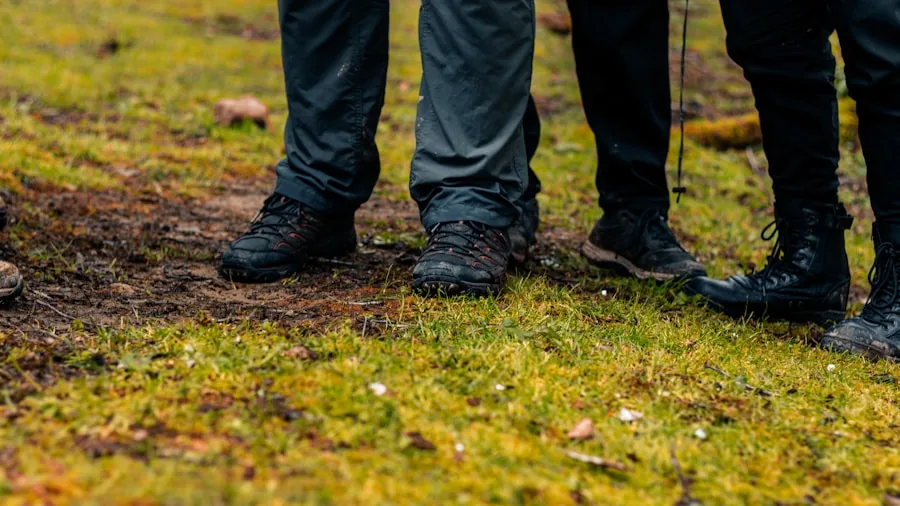
Traction is arguably the most critical performance variable for men’s hiking shoes. Deep, multi-directional lugs bite into loose dirt, wet roots, and mossy rock surfaces that flat-soled shoes simply cannot handle. Look for lug depth of at least four millimeters if you plan to hike in wet or loose-soil environments. Shallow lugs are fine for groomed trails but will slip on off-trail scrambles.
Rubber compound matters just as much as lug shape. Softer rubber compounds deform slightly on contact, increasing the surface area gripping the rock. KEEN and Merrell both use proprietary rubber blends that prioritize wet-surface friction, which our testers confirmed on creek-side boulders during evaluation. Harder rubber lasts longer but sacrifices some grip on technical terrain.
Also consider heel brake design. A pronounced heel lug with a downward-angled cut helps brake on steep descents, reducing knee strain on long downhill sections. This feature often separates purpose-built hiking shoes from general trail runners. If you spend time on exposed ridgelines or talus, it is worth specifically checking this detail before purchasing.
Assessing Waterproofing and Breathability

The waterproofing versus breathability tradeoff is real, and no current membrane technology fully eliminates it. Shoes built with a waterproof bootie membrane keep feet dry during stream crossings and rainy-day hikes, but they trap heat and moisture from sweat on warm or strenuous outings. This means your feet may stay drier during a downpour but feel soaked from perspiration on a summer climb.
Breathable mesh uppers work best in dry, warm conditions where ventilation matters more than splash protection. Columbia’s Transverse Hike Waterproof model uses a sealed membrane that our testers found genuinely protective in standing water, while still offering acceptable ventilation at lower effort levels. For mixed climates, a waterproof shoe with a gusseted tongue reduces debris entry without fully sacrificing airflow.
Test any candidate shoe with the same sock weight you plan to hike in. A shoe that fits perfectly in a thin liner sock may cause hotspots with a heavier wool hiking sock. Sizing up a half size when choosing waterproof models is a common recommendation among experienced hikers because the internal membrane slightly reduces interior volume. For women looking for similar guidance in athletic footwear, our review of tennis shoes for women covers fit nuances worth noting across shoe categories.
Considering Cushioning and Support Levels
Midsole cushioning absorbs repetitive impact on packed trails and reduces fatigue during long days. EVA foam remains the most common midsole material due to its lightweight and responsive feel, while polyurethane variants last longer but add measurable weight. The Merrell Accentor 3 uses a contoured EVA midsole that our team found supportive without feeling overly stiff on flat terrain.
Ankle cut is a related consideration. Low-cut hiking shoes are lighter and allow more natural ankle movement, making them ideal for well-maintained trails where ankle rolls are less likely. Mid-cut and high-cut boots provide lateral support on uneven terrain and loose rock but add weight. NORTIV 8’s ankle-height waterproof model sits in the middle ground, offering more ankle coverage than a standard trail runner without the bulk of a full boot.
Arch support and heel cup design affect long-term comfort on extended hikes. If you have high arches or pronate significantly, look for models with removable footbeds that accept aftermarket insoles. FitVille specifically engineers its shoes around wide-foot comfort and high-rebound cushioning, which our testers with wider feet appreciated on longer walks. Those who want to go deeper on foot mechanics may find guidance in our running shoes for flat feet roundup, which covers insole and arch support principles that apply equally to hiking footwear.
Weight and Packability Factors

Shoe weight accumulates over thousands of steps. Research consistently shows that reducing shoe weight meaningfully reduces caloric expenditure per mile, which matters on multi-day trips. Low-cut hiking shoes typically weigh between eight and twelve ounces per shoe, while ankle-height waterproof boots can push toward fourteen to eighteen ounces. On a ten-mile day, that difference adds up.
For backpacking trips where you carry full loads, a slightly heavier but more supportive shoe may actually reduce overall fatigue because it stabilizes the foot under pack weight. If you are pairing your hiking shoes with a significant backpack, our guide to the best backpacking boots for men covers this load-carrying balance in detail. For day hikes and light fastpacking, lighter shoes almost always win.
Packability matters when traveling to a trailhead or cramming shoes into luggage. Look for shoes that compress somewhat and do not have rigid structural components that resist folding. Most low-cut hiking shoes pack reasonably well, while stiffer trekking boots do not. Our coverage of trekking boots explores the stiffer-soled end of the spectrum for anyone who regularly carries heavy loads over technical ground.
Durability and Material Quality
Upper material largely determines how long a hiking shoe lasts and how it handles abrasion. Full-grain leather uppers resist cuts from sharp rocks and age gracefully with conditioning, but they require break-in time and dry slowly after water exposure. Synthetic uppers with nubuck or mesh panels dry faster and require no break-in but may show wear faster in high-abrasion zones like the toe box and lateral rand.
Check the rand construction, which is the rubber strip wrapping the lower perimeter of the upper. A thick, well-bonded rand dramatically extends the life of a hiking shoe by protecting stitching and upper material from rock scrapes. Reinforced toe caps serve a similar function on the front of the shoe. The KEEN Voyageur series is known for its protective toe bumper, which our testers found genuinely useful when stubbing toes against roots and embedded rocks on forested trails.
Stitching quality at the heel counter and collar is worth inspecting before purchase. These zones flex repeatedly and are where delamination or thread failure typically begins. Pull gently on the heel counter to check stiffness and bonding. Shoes with heat-bonded overlays rather than stitched seams tend to resist moisture infiltration better at those connection points. For demanding terrain where shoe longevity is paramount, our backpacking boots review covers construction standards in even more depth.
Fit, Sizing, and Break-In Period
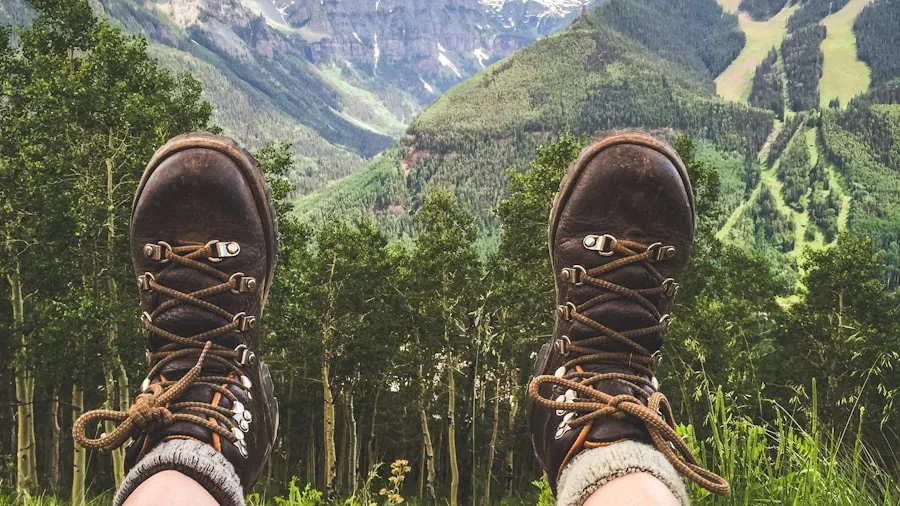
Hiking shoes should have roughly a thumb’s width of space between your longest toe and the front of the shoe. Feet swell during exertion, especially on descents when toes repeatedly press forward into the toe box. Too little room causes black toenails; too much causes heel slippage and blisters.
Wide-foot shoppers should specifically look for models offered in wide or extra-wide versions. KEEN footwear is broadly recognized for a roomy toe box relative to stated size, while some European-heritage brands run narrower. FitVille explicitly targets wide-foot comfort in its design philosophy, making it a practical choice for men who have struggled with standard widths in other hiking brands.
Most quality hiking shoes benefit from a short break-in period of five to ten miles before a major outing. Wear them around the neighborhood, on short walks, or on a low-stakes local trail first. This allows the midsole to compress to your foot shape and identifies any hotspot zones you can address with different lacing patterns or thicker socks before committing to a long day hike. If you want to compare fit strategy across athletic footwear categories, our cross training shoes guide discusses sizing and break-in recommendations that complement hiking shoe selection.
Why You Should Trust Us
Buyadvanced is an independent review publication. We do not sell any of the products we evaluate, do not accept payment or free product from brands in exchange for coverage, and do not have affiliate relationships that influence our rankings. Every opinion on this page reflects testing and analysis conducted by our team without manufacturer input.
For this guide, our reviewers wore each pair of hiking shoes on a standardized mix of terrain types including packed gravel, wet creek crossings, loose scree, and rooted forest trails. We logged multiple hours per model, assessed comfort at the one-hour and three-hour marks, noted outsole wear patterns post-testing, and measured breathability against ambient temperature conditions. Products are ranked based on aggregate performance across all criteria, weighted toward the factors most commonly cited by American day hikers. Our broader outdoor coverage, including hiking boots for women and hiking pants, follows the same methodology.
We update our guides on a rolling basis as new models are released and as long-term durability data becomes available from our extended-wear testers. Ratings and rankings may change between review cycles. Always check the current publication date and version notes at the top of any Buyadvanced guide before purchasing.
Final Thoughts
After testing all 6 models across varied terrain and conditions, here is how each one earns its place in our lineup:
- Best Overall: Columbia Transverse Hike Waterproof earns this title with the highest rating among tested models, a proven waterproof build, and versatile performance across both wet and dry trail conditions at a mid-range price.
- Best for Technical Terrain: Merrell Men’s Accentor 3 Hiking Shoe delivers confident grip and a supportive platform that handles rocky, uneven ground better than most shoes at its price tier, with strong ratings from a substantial review base.
- Best Established Trail Shoe: KEEN Voyageur is a trusted name with thousands of verified reviews, a protective toe bumper, and KEEN’s famously roomy toe box that suits hikers who need extra forefoot space on long days.
- Best for Wide-Foot Comfort: KEEN Men’s Voyageur Low Height Breathable Hiking Shoes pairs the same roomy KEEN construction with a breathable build, making it the pick for warm-weather hikers who need ventilation without sacrificing the brand’s signature fit.
- Best Budget Pick: NORTIV 8 Men’s Ankle High Waterproof Hiking Boots offers waterproofing, ankle coverage, and a massive verified review count at a budget-friendly price, making it the most accessible entry point in this roundup.
- Best for Casual Day Hikers: FitVille Men’s Outdoor Hiking Shoes prioritizes wide-foot comfort, high-rebound cushioning, and water resistance at the lowest price in the group, suited for shorter trails and walkers building up their mileage.
For most men tackling a mix of day hikes, the Columbia Transverse Hike Waterproof is the safest all-around investment. If your hikes regularly involve technical terrain or you carry heavy loads, consider pairing your shoe choice with appropriate men’s hiking pants and reviewing our full backpacking boots for men guide before committing to a lighter shoe on demanding routes.
Hiking Shoes for Men FAQs
How do hiking shoes for men differ from regular sneakers?
Hiking shoes are engineered specifically for uneven, unpredictable terrain. Their outsoles use deep lugs and grippy rubber compounds that road sneakers lack entirely. The midsoles are firmer and more protective underfoot to shield against sharp rocks and roots. Uppers use abrasion-resistant materials and include reinforced rands and toe caps. The overall construction prioritizes lateral stability and durability over the flexibility and lightweight feel that running or casual sneakers emphasize. If you are comparing footwear categories, our running shoes for men guide illustrates exactly where the design philosophies diverge.
Are waterproof versions worth the extra cost?
It depends entirely on where and when you hike most often. If you regularly encounter rain, morning dew on vegetation, creek crossings, or shoulder-season mud, waterproof membranes provide genuine protection that translates to comfort and blister prevention. On summer desert hikes or dry ridge walks, the same membrane traps heat and extends drying time if your feet do get wet. Many experienced hikers own both a waterproof and a non-waterproof version of their favorite model and choose based on the forecast.
What brands make the most reliable hiking shoes for men in 2026?
Based on our current testing and verified consumer review data, KEEN, Merrell, Columbia, NORTIV 8, and FitVille each produce reliable options across different price tiers and use cases. KEEN and Merrell have the longest track records in technical hiking footwear. Columbia has strengthened its hiking lineup considerably in recent years. NORTIV 8 and FitVille offer strong value at accessible price points with large verified review bases supporting their real-world performance claims.
Can hiking shoes for men be used for daily walking?
Many men do wear hiking shoes as everyday footwear, and several models in this roundup are comfortable enough for extended pavement use. However, the aggressive lugs that perform on trails wear faster on hard surfaces, shortening the shoe’s useful lifespan for hiking. If you plan to rotate between daily walking and trail use, consider that tradeoff when choosing. Some low-profile hiking shoes with shallower tread transition better to pavement than models built for technical terrain. For footwear intended primarily for gym and pavement use, our cross training shoes review is a better starting point.
How often should hikers replace their hiking shoes?
Most hiking shoe manufacturers and podiatrists recommend replacement every 300 to 500 miles of trail use. That range varies significantly based on terrain hardness, body weight, and walking mechanics. Visually inspect your soles every few months. When lug depth has worn noticeably flat, midsole foam no longer springs back after pressing with your thumb, or the upper shows separation at the rand or stitching, it is time to replace. Continuing to hike in worn-out footwear increases injury risk from reduced traction and lost cushioning protection.
Do hiking shoes for men come in wide sizes?
Yes, several brands in this roundup offer wide and extra-wide sizing. KEEN is especially well regarded for a naturally roomy toe box that suits many wide-foot hikers even in standard widths. FitVille specifically designs for wide-foot comfort and is worth considering if past hiking shoes have caused forefoot pinching. Always consult each brand’s sizing chart and read verified buyer reviews mentioning fit width before ordering, as width labeling is not fully standardized across manufacturers.
Which features matter most for beginners?
New hikers benefit most from moderate cushioning, a grippy outsole, and a forgiving fit that does not require extensive break-in. Avoid highly technical models with very stiff soles until you have a sense of your preferred terrain and gait pattern. A mid-range shoe with good reviews across a large sample of users, like the options in this roundup, gives beginners a reliable starting point. As you accumulate miles and learn your preferences, you can make more targeted choices. Pairing good footwear with appropriate hiking pants and climbing shoes for technical scrambles rounds out a capable beginner kit.
Does Buyadvanced offer warranty support or product returns?
Buyadvanced is an independent review publication and does not sell products, process returns, or provide warranty support for any items covered in our guides. For warranty claims or purchase questions, contact the manufacturer directly using the contact information on their official website.





Write Your Review
No reviews yet. Be the first to share your experience!