


Why Your Allergies Get Worse When You Bring Plants Inside for Fall
As temperatures drop and September turns to October, many households make a seasonal shift: outdoor plants come indoors, windows close for the year, and furnaces kick on for the first time. For allergy sufferers, this transition can turn a mild sneeze into weeks of congestion and discomfort. Understanding what happens inside your home during fall is the first step toward managing plant-related allergies this season.
When your furnace runs for the first time each year, it stirs up accumulated dust, dust mite particles, and debris from the vents into the air you breathe. Closed windows compound the problem by preventing outdoor air from diluting indoor allergens. At the same time, houseplants that spent summer on porches or patios move back inside, bringing potting soil, mold spores, and plant material with them. Combined with shorter days that reduce plant growth but don’t stop regular watering, the result is often overwatered soil that develops mold on its surface. This is when indoor plant allergies suddenly become noticeable for sensitive people.
The Five Houseplants Most Likely to Trigger Fall Allergies
While houseplant allergies are relatively uncommon overall, certain species appear far more often in allergy testing results and case reports. Knowing which plants pose the greatest risk helps you decide whether to keep them, move them to another room, or handle them with extra precautions.
Weeping Fig
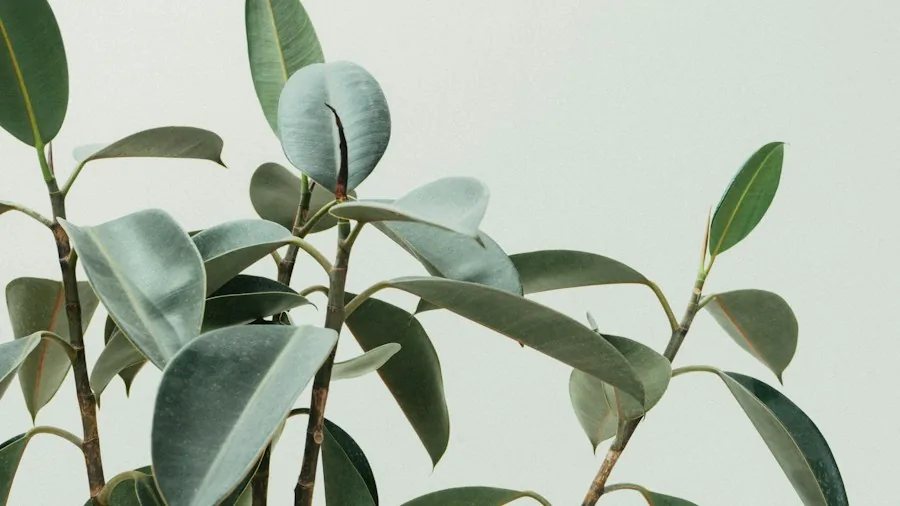
Weeping fig (Ficus benjamina) ranks as the most recognized allergenic houseplant. Its milky sap contains potent allergens that don’t stay contained to the plant itself. These proteins can appear in household dust, on leaf surfaces, and on the floor around the pot, even if no one has recently touched the plant. Anyone with a latex allergy faces additional concern, since some of the plant’s proteins can cross-react with natural rubber latex. Wearing latex-free gloves during pruning is essential for sensitive individuals.
Yucca
Yucca plants are grown for their striking foliage, but skin-prick testing has documented allergic reactions in people with allergic rhinitis. Those who handle yucca professionally have reported hives and other reactions. The long, stiff leaves trap dust along their entire length, concentrating allergens. Regular dusting with a damp cloth prevents buildup and reduces your exposure.
Peace Lily
Peace lilies rebloom reliably indoors, producing white hoods with pale, powdery pollen spikes inside. Both the pollen and the leaves have been linked to documented allergy cases. The simplest solution is to remove spent flowers early and keep blooming plants out of bedrooms where you sleep.
Potted Mums
Mums appear in shops and stores throughout fall, making them popular seasonal decorations. Their allergens, including compounds called sesquiterpene lactones, sit on flowers and in fine leaf hairs where they easily become airborne. People who are sensitive to chamomile or feverfew often react to mums as well, since all three plants belong to the same family. If you’re prone to reactions, wear gloves when handling mums, wash your hands immediately afterward, and keep the plants away from your bedroom and main living areas.
English Ivy
English ivy frequently appears among the top houseplant sensitizers in allergy testing. It contains falcarinol, a compound known to irritate skin and trigger allergic rashes. Reactions typically occur after pruning or handling the runners. Before bringing ivy indoors after summer, give it a thorough rinse and inspect it closely for pests and mold.
Practical Steps to Reduce Plant Allergens in Your Home
You don’t need to eliminate your favorite plants to manage fall allergies. Instead, focus on three key areas: dust control, moisture management, and air quality.
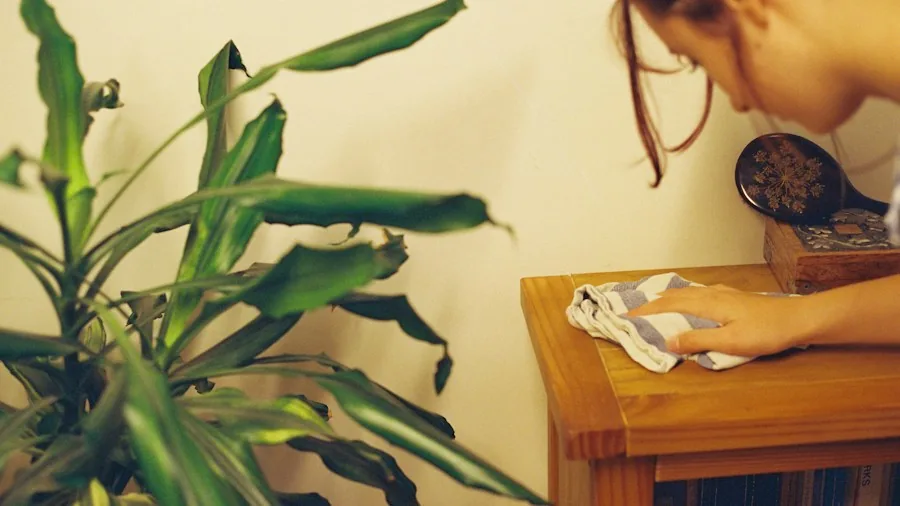
Dust your plants regularly. Wipe broad leaves with a damp cloth rather than a dry duster, which only redistributes mites and eggs. Smaller plants can be rinsed at the sink. For bedrooms, a HEPA air purifier removes fine dust and pollen from the air, though it won’t address dust sitting on leaves themselves.
Adjust your watering schedule. As days shorten, houseplants grow more slowly and need less water than during summer. Allow the top of the potting mix to dry between waterings and always empty saucers to prevent standing water. If white mold appears on the soil surface, scrape it away outdoors and replace the top layer with fresh potting soil.
Manage indoor humidity. Dust mites and mold both thrive in damp air, so keep indoor humidity on the lower side. Skip humidifiers near plants that dry slowly.
Better Plant Choices for Allergy Sufferers
If you’re prone to houseplant allergies, consider switching to lower-allergen varieties. Plan ahead for next season’s blooms by choosing foliage plants with smooth leaves, minimal indoor flowering, and low watering needs. Parlor palms, peperomia, and cast iron plants all avoid common allergy triggers while remaining attractive and easy to care for.
If symptoms persist through October despite your best efforts, consult an allergist who can perform specific plant testing. A plant that tests positive can move to a friend’s sunny room, freeing you from that particular trigger without forcing you to abandon indoor gardening entirely.





Write Your Review
No reviews yet. Be the first to share your experience!