
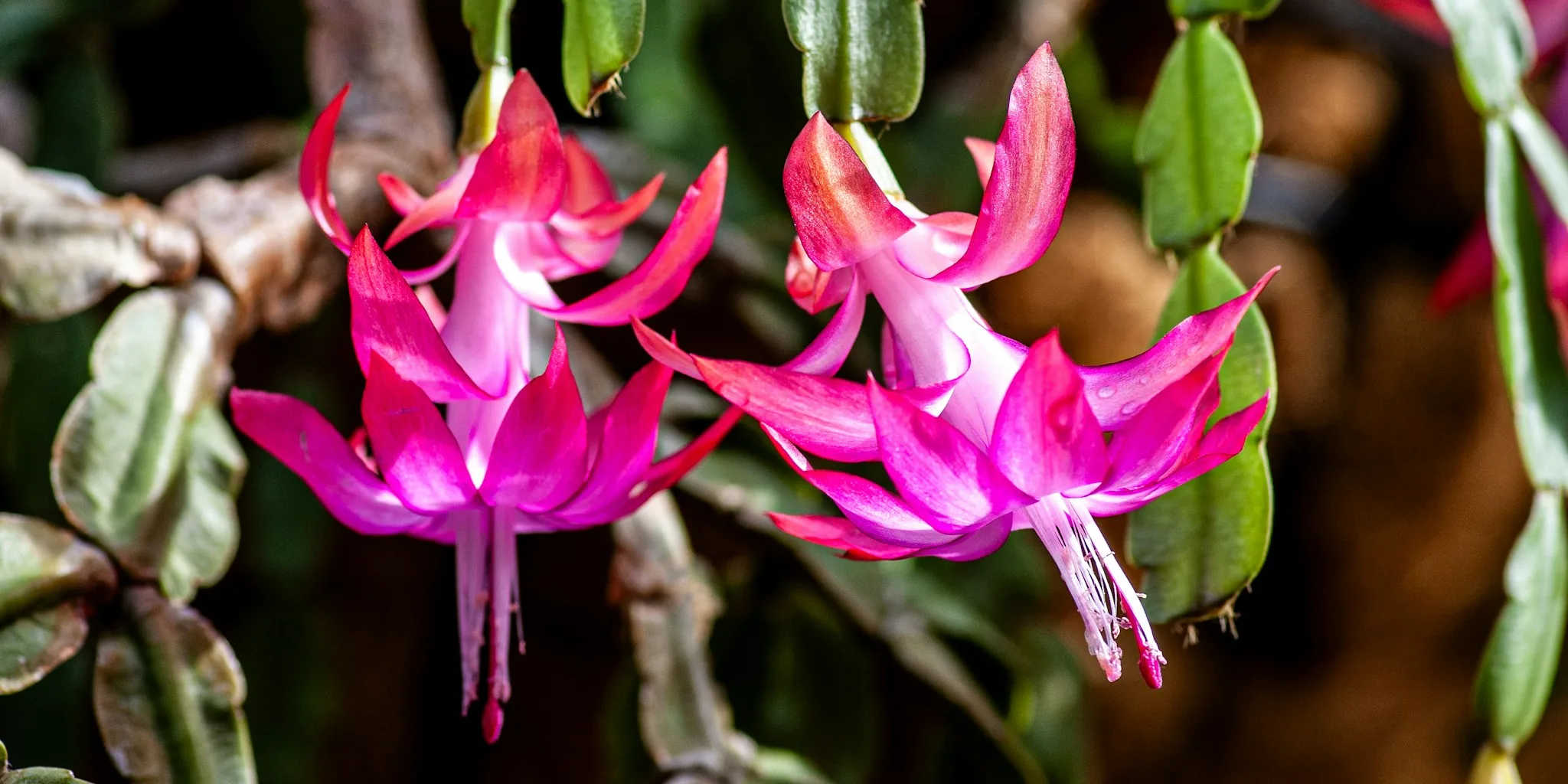

If you want your Christmas cactus to deliver a stunning display of flowers this December, October is the time to act. This tropical plant has become a holiday favorite because it produces exotic-looking blooms that rival even the Christmas tree in seasonal appeal. However, coaxing it to flower requires more than basic watering and sunlight. The key is understanding how to manipulate environmental conditions starting right now to trigger bud formation.
Why October Is Critical for Holiday Blooms
Christmas cacti are triggered to produce buds by changes in light and temperature that occur naturally as fall arrives. In October, the days grow shorter and nights cooler, signaling the plant that it is time to bloom. This seasonal shift is what gardeners call the dormancy period, and it is essential for bud development. Without these environmental cues, your plant may remain green and healthy looking but fail to flower at all when December arrives.
Understanding this natural cycle helps explain why five specific care steps matter so much during autumn. These steps replicate the conditions a Christmas cactus experiences in its native tropical rainforest habitat during the cooler months.
Step One: Control Darkness and Light

The single most important action you can take is controlling your plant’s exposure to light starting in October. A Christmas cactus requires approximately 12 hours of uninterrupted darkness each night to initiate bud formation. This complete darkness is non-negotiable if you want blooms.
There are several practical ways to achieve this. You can place the plant in a spare room or closet where no light reaches it after sunset. Alternatively, cover it with an opaque box or black fabric grow bag that allows air circulation but blocks all light. After the 12-hour dark period, return the plant to a location with bright, indirect light for the remaining daylight hours. Consistency matters, so maintain this schedule every single day throughout October and November.
Step Two: Keep Temperatures Between 50 and 55 Degrees Fahrenheit
Temperature control is the second pillar of successful autumn care. Although Christmas cacti are tropical plants, they evolved in forest environments where cooler temperatures arrive during certain seasons. These temperature drops signal the plant to shift from growth mode to flowering mode.
During October and November, your plant needs to stay in a room where temperatures remain between 50 and 55 degrees Fahrenheit. This is not freezing, but it is noticeably cooler than typical indoor living spaces. Do not place your plant near a fireplace, heating vent, or warm window. Keep it away from warm drafts and temperature fluctuations. If your home tends to stay warm during fall, you may need to use a cool basement, unheated garage, or even a windowsill in a cold room.
Step Three: Reduce Watering Significantly
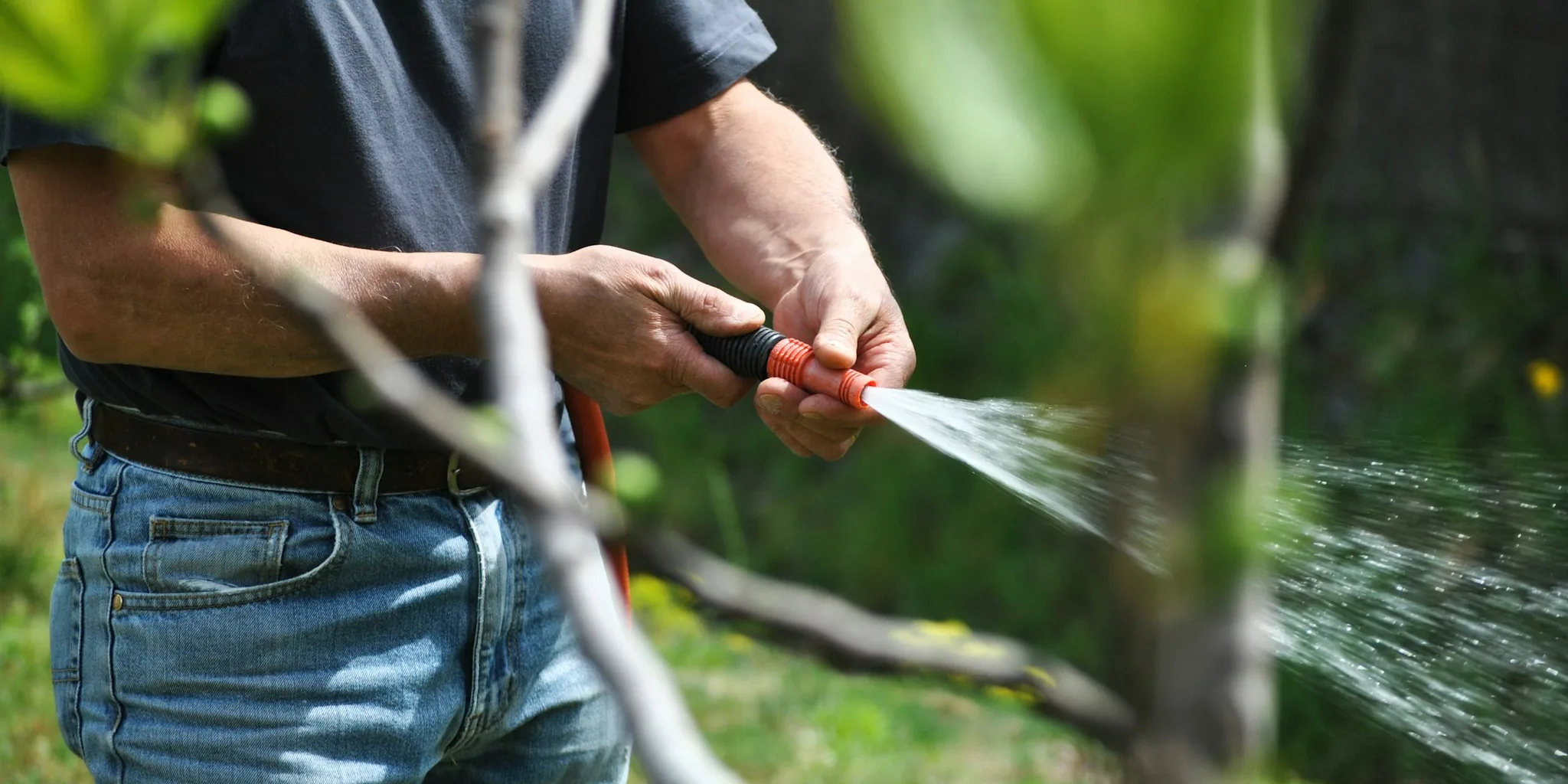
While Christmas cacti are native to tropical rainforests, autumn is naturally a dry season in their native habitat. This means you should water much less frequently than you do in spring and summer. Stop your regular weekly watering routine immediately. Instead, check the soil moisture weekly by inserting your finger one knuckle deep into the potting mix. Only water when the soil feels dry at that depth.
This reduced watering mimics the natural conditions that help trigger blooming. Overwatering during this period can actually prevent bud formation and encourage unwanted leafy growth instead. A soil moisture meter can take the guesswork out of this step.
Step Four: Skip Fertilizer Completely
Many gardeners are tempted to feed their plants extra nutrients in hopes of encouraging blooms, but this approach backfires with Christmas cacti. Fertilizer promotes leafy growth, which is the opposite of what you want right now. October plant pruning and care strategies emphasize that energy should be directed toward flower bud formation, not new foliage.
Stop applying any fertilizer in October and November. Once your plant finishes flowering and begins active growth again in spring, you can resume feeding with a balanced houseplant fertilizer. Regular feeding through the growing season will support healthy stems and prepare your plant for another excellent bloom cycle the following year.
Step Five: Monitor for Bud Development
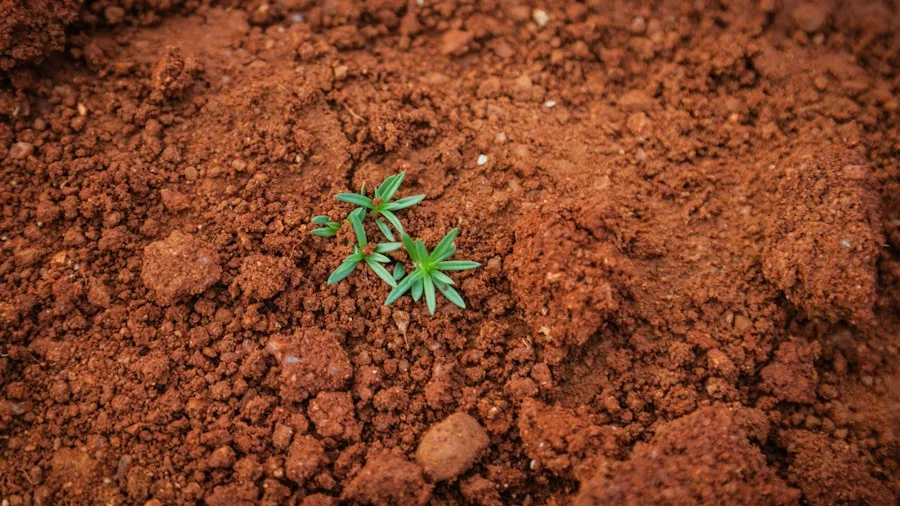
After a few weeks of following these four steps, begin checking your plant daily for developing buds. The best time to inspect is each morning when you move the plant from darkness back into bright light. Buds will first appear as tiny, brightly colored points at the tips of the flattened leaf segments.
Once you spot the first buds, you can discontinue the 12-hour darkness routine. The darkness has served its purpose. Move the plant to a bright, warm location where the buds can develop fully into the spectacular flowers that make Christmas cacti such cherished holiday decorations. Similar timing principles apply to other seasonal plants in your home.
Final Thoughts
Christmas cacti are forgiving plants that tolerate neglect well, but rewarding them with proper autumn care requires discipline and attention to detail. By controlling light, maintaining cool temperatures, reducing water, withholding fertilizer, and watching for buds, you will give your plant every opportunity to bloom abundantly. The effort invested in October pays off with a spectacular holiday display that you and your family can enjoy for years to come.





Write Your Review
No reviews yet. Be the first to share your experience!