
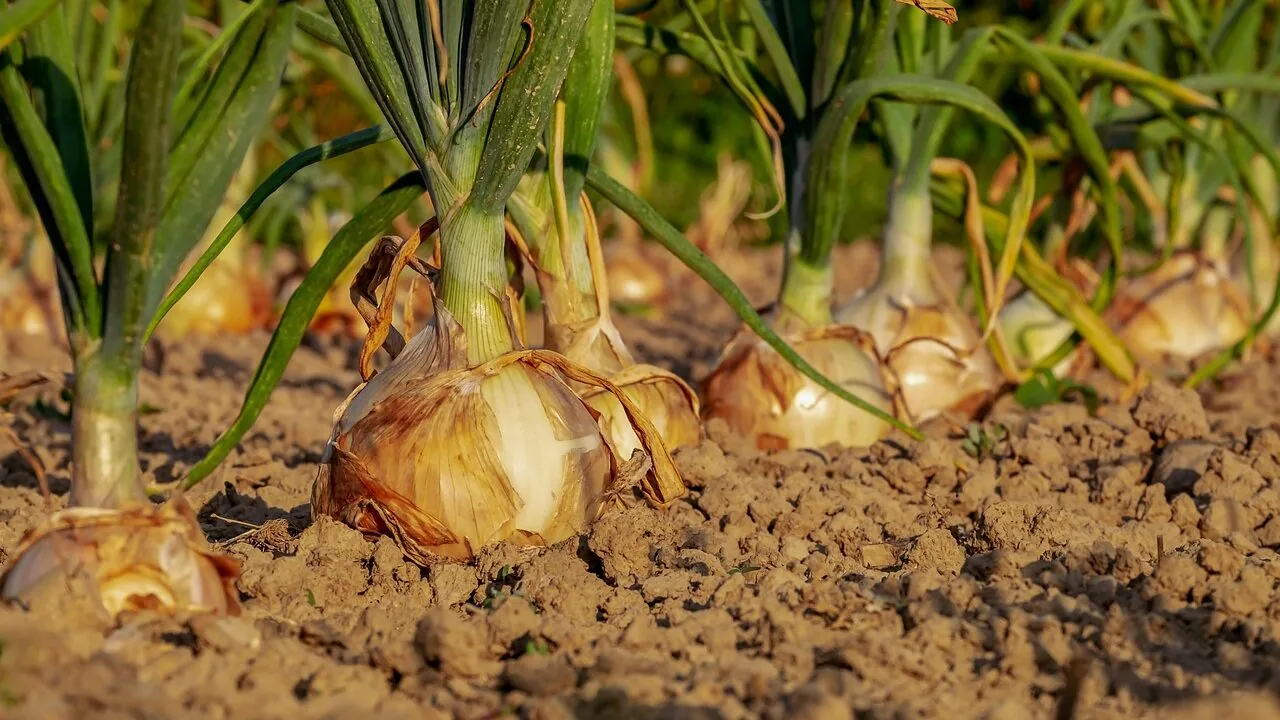

As temperatures drop and summer gardens fade, many homeowners face a common dilemma: what to do with empty garden beds through the winter months. Leaving soil bare during the cold season can create serious problems that damage fertility and structure, making spring planting far more difficult. The solution lies in planting fall cover crops, a practice that transforms bare ground into a productive growing season that protects and enriches your garden.
Why Bare Soil Causes Problems in Winter
Exposed garden soil faces multiple threats when winter arrives. Without plant roots to anchor it in place, topsoil erodes easily from wind and heavy rain, reducing the quality of growing medium available for spring crops. Winter precipitation leaches water-soluble nutrients deep into the ground where spring plants cannot reach them. Compacted, crusted soil becomes hostile to new growth, yet it welcomes aggressive winter weeds like nettles and bindweeds that will compete with your spring vegetables and flowers.
Beyond these immediate issues, compromised soil structure reduces air spaces and overall health. By spring, you are left with depleted ground that requires expensive amendment or fertilizer just to get back to baseline conditions.
How Cover Crops Solve These Problems
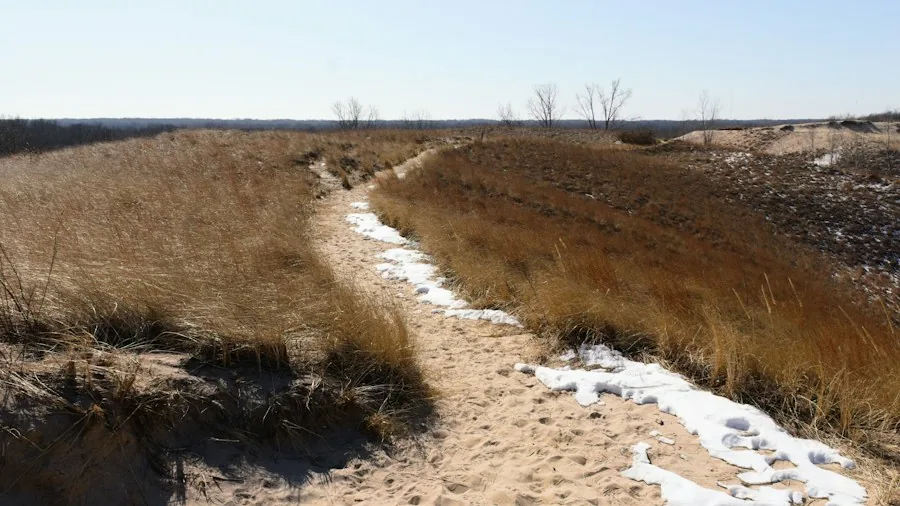
Fall cover crops address every bare-soil problem in a single, economical step. Their deep root systems anchor topsoil firmly in place, preventing erosion from wind and water. These same roots hold onto residual nitrogen and minerals, stopping nutrient leaching. The dense foliage blocks winter weeds from establishing themselves, and some cover crops even release natural chemicals that suppress weed growth.
Beyond weed control and erosion prevention, cover crops add organic matter back into soil and improve its structure for spring planting. When you incorporate them into the soil before spring, they function as green manure, boosting fertility without extra fertilizer costs. Wait two to three weeks after terminating cover crops before planting your spring garden.
Five Top Fall Cover Crop Options
Winter Rye
Winter rye, also called cereal rye, is an excellent starting point for gardeners new to cover crops. This extremely cold-hardy grass should be planted about four weeks before the first hard freeze. Its deep, fibrous roots prevent erosion and break up heavy clay soil while also choking out weeds. Winter rye releases chemicals that block specific weeds like pigweed, offering dual weed protection. The roots trap nitrogen and minerals over winter, preventing them from leaching away. Chop it down in early spring before it becomes too woody.
Hairy Vetch
Hairy vetch is a hardy winter legume that fixes up to 200 pounds of nitrogen per acre in your soil. This eliminates the need for added fertilizer in spring. Its fibrous roots prevent erosion, while dense vining growth reaches up to 12 feet tall in spring, completely shading out early weeds. Plant it early enough for roots to establish before the first hard freeze, then remove it in spring while still in early bud or early flower stage.
Crimson Clover
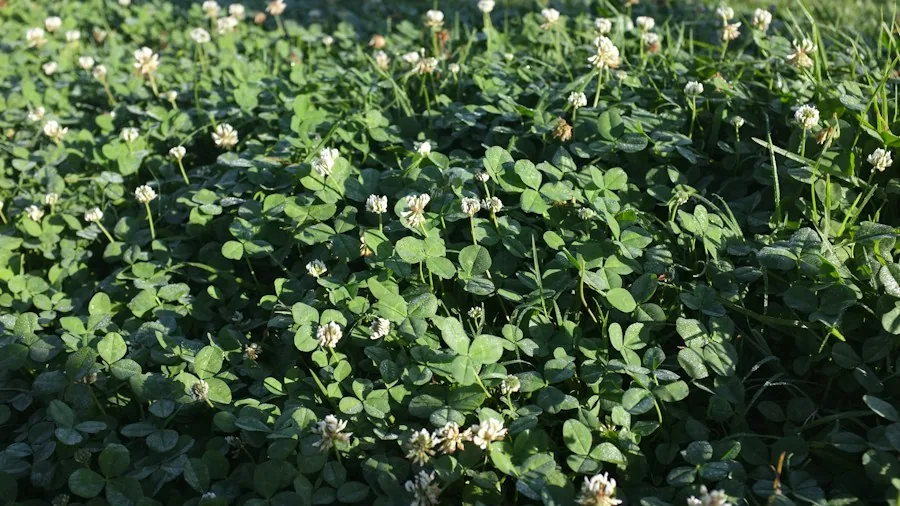
Crimson clover combines beauty with function. Its bright crimson, cone-shaped flowers attract bees and beneficial insects in spring while the plant fixes up to 200 pounds of nitrogen per acre. This cool-season annual forms a dense ground cover mat that blocks weeds entirely. Plant seeds up to eight weeks before the first frost in well-draining soil. Unlike other cover crops, crimson clover is easy to terminate in spring since it breaks down readily. Mow it before it fully seeds and wait a few weeks before planting spring crops.
Austrian Winter Peas
Austrian winter peas (also called winter field peas) are cool-season legumes that produce up to 150 pounds of nitrogen per acre. These lush vines carpet the soil and naturally choke out winter weeds. When paired with rye or oats, they receive physical support for their stems. Plant them one to two months before the first hard frost, allowing five or more weeks for strong root establishment. They are simple to terminate in spring once they reach full bloom, thanks to their hollow stems.
Winter Oats
Winter oats are fast-growing cool-season grasses with dense, fibrous roots that anchor topsoil and break up compacted earth. They germinate quickly, smothering winter weeds, and absorb soil nitrogen that is released to microorganisms as they break down. Often killed back by winter frost, the dead grass forms a natural, easy-to-manage mulch blanket that provides additional protection.
Getting Started with Cover Crops
Cover crop seeds are affordable and widely available. Seed collections with multiple varieties cost around ten dollars for smaller gardens, while bulk 10-pound mixtures work well for larger areas. Choose your cover crop based on your local climate, soil type, and spring planting plans. Some excel at weed suppression, others boost soil fertility, and many do both simultaneously.
To protect your garden through winter and spring, consider raising beds with quality raised garden beds filled with amended soil, which pairs excellently with cover crop strategies. Your fall cover crop investment pays dividends in spring when you plant into healthier, richer, more fertile soil, eliminating much of the amendment work that bare beds require.






Write Your Review
No reviews yet. Be the first to share your experience!