


October is one of the most important months in the gardening calendar for lily enthusiasts. As temperatures drop and daylight fades, your lily bulbs are actively working underground to store energy, develop roots, and prepare for dormancy. The care you provide now directly determines the quality and abundance of blooms you’ll enjoy next summer. Whether you’re tending established lily beds or introducing new varieties, these five actionable tasks will ensure your plants transition smoothly into winter and emerge stronger in spring.
Understand Your Lilies Before You Start
Before tackling any October chores, spend a moment identifying which types of lilies you’re growing. True lilies (Lilium) grow from fleshy bulbs and include popular varieties like Asiatic hybrids, Oriental lilies such as ‘Stargazer’, Trumpet lilies, and Orienpet (OT) hybrids. These are distinct from daylilies (Hemerocallis), which grow from fibrous roots and require different care. Most true lilies are cold-hardy and can remain safely in the ground throughout winter in zones 4-9, though gardeners in zones 2-3 or those growing tender exotic species like Formosa lilies will need to lift and store bulbs indoors. Understanding your hardiness zone and specific lily varieties is essential before proceeding with fall maintenance.
Task 1: Remove Dead Seed Heads and Fallen Leaves
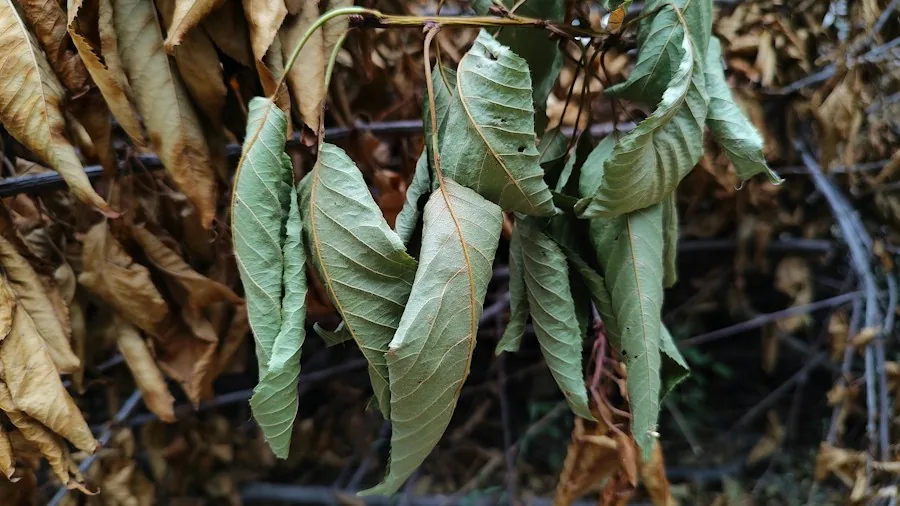
Once your lilies finish flowering, promptly remove any seed heads unless you’re deliberately collecting seed for propagation. Developing seed pods drain enormous amounts of energy from the bulb that would otherwise be stored for next year’s growth. Cut them off using clean, sharp pruning shears, wiping down your tool blades before and after use to prevent disease spread.
Equally important is clearing away yellowed or fallen foliage and dead plant material. Decomposing leaves and stems harbor destructive fungal spores, including lily blight and other pathogens. Collect any discolored foliage showing dark spots, water-soaked streaks, or powdery coating and dispose of it in the trash rather than compost to prevent disease propagation. This simple cleanup step significantly reduces disease pressure and pest problems next season.
Task 2: Inspect for Pests and Disease Damage
October provides an ideal opportunity to examine your remaining lily stems and leaf joints for signs of pest activity or disease. Red lily leaf beetles, aphids, and scale insects frequently lay overwintering eggs near the soil line, so removing old stem tissue and clearing leaf debris eliminates cozy pest shelters. If you’re dividing or lifting any tender bulbs for indoor storage, inspect them closely. Healthy lily bulbs should feel firm, plump, and heavy with crisp, intact scales that are white, yellow, or pink in color. Discard any bulbs that feel soft, squishy, or show signs of blue mold or basal rot. If multiple bulbs show rot, your soil drainage may need improvement.
Task 3: Trim Back Green Foliage at the Right Time
This step requires patience and proper timing. As long as lily foliage remains green, the plant is actively photosynthesizing and converting sunlight into carbohydrates that flow directly down into the bulb. Cutting back green stems prematurely starves the bulb and results in stunted growth and fewer flowers the following year. Wait until foliage has turned completely yellow, brown, or papery before taking action. Once the stem is fully dead, use bypass pruners to cut the stalk down to about 2-3 inches above ground level. This short stub serves as a helpful marker for the bulb’s location. Remove and dispose of dead stalks promptly, as hollow, decaying stems provide ideal overwintering sites for pests and disease spores. After trimming, consider adding a gentle organic phosphorus booster around the base to encourage root development.
Task 4: Plant New Bulbs and Lift Tender Varieties

October is an excellent time to plant new hardy lily bulbs since autumn soil retains summer warmth, allowing fresh roots to establish before deep winter freezes arrive. Plant bulbs pointy side up at a depth of 2-3 times the bulb’s height, typically 6-8 inches deep, in sunny spots with excellent drainage. Mix organic compost or bone meal into the planting hole, and use a gentle root tonic like seaweed or kelp rather than heavy feeding formulations.
Conversely, if you’re growing tender lily species or gardening in very cold climates, carefully lift bulbs once foliage dies back using a garden fork. Brush off loose soil and let bulbs air-dry indoors for 24 hours, then store them in cardboard boxes layered with slightly damp peat moss, wood shavings, or vermiculite in a cool, dark space around 40-45 degrees Fahrenheit. Just like end-of-season tomato plant tasks, proper tender bulb storage prevents winter losses.
Task 5: Apply Protective Mulch and Mark Locations
Even hardy lilies benefit from a protective mulch layer applied after the ground cools or following the first hard freeze. Mulch insulates soil, moderates temperature fluctuations, and reduces frost heaving, where shifting soil can pop bulbs up to the surface. Apply a 2-4 inch layer of quality organic wood mulch or shredded bark, being careful not to pack it too tightly, as this traps excess moisture. For those looking to protect container plants before frost hits, similar mulching principles apply.
Finally, mark bulb locations with durable garden stakes. True lilies emerge relatively late in spring, and it’s dangerously easy to forget where they’re planted and accidentally slice through dormant bulbs during spring digging. Taking a quick smartphone photo of your marked bed creates a helpful visual reference when spring arrives.
By completing these five October tasks, you’re setting the stage for explosive, colorful lily displays next summer. The key priorities remain leaving green foliage intact until natural death, clearing away disease-harboring debris, and protecting underground bulbs while maintaining excellent soil drainage. Invest a little time now, and your efforts will reward you with vigorous plants and abundant, majestic blooms.






Write Your Review
No reviews yet. Be the first to share your experience!