

How Adapting Your Routine Protects Your Long Term Health
Fitness enthusiasts often wonder how celebrities maintain their commitment to working out while navigating real life challenges. Recent developments in how one major entertainer has restructured her entire workout regimen offer valuable lessons for everyday shoppers looking to build sustainable exercise habits.
The latest approach centers on functional fitness and recovery rather than high intensity training. This shift reflects a broader movement in the fitness industry toward longevity and injury prevention. For buyers considering the best workout shoes for every budget and activity, understanding this philosophy can help you make smarter equipment choices aligned with your actual training goals.
From High Intensity to Functional Movement
Earlier this year, a notable fitness enthusiast sustained a minor injury that required her to completely rethink her training approach. Rather than continuing aggressive strength work, she pivoted toward functional movements designed to rebuild capacity safely. This included exercises like chest presses, squats, monster walks, bird dogs, and dead bugs performed twice weekly with a physical therapist using resistance bands or light weights.
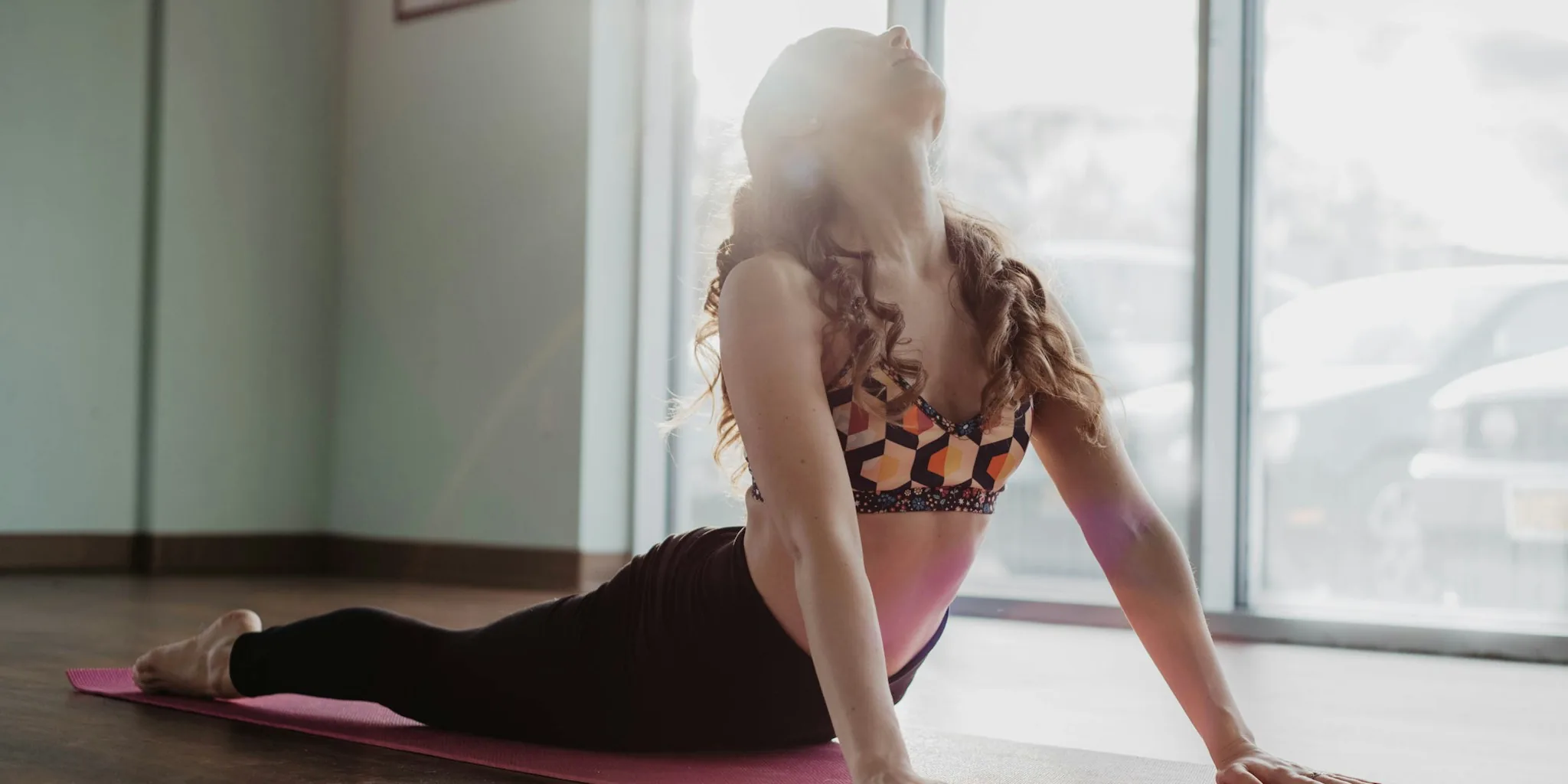
This strategy highlights why many fitness shoppers are investing in versatile equipment that supports lighter, controlled movements. Resistance bands and light weight options allow for progressive training without overwhelming recovering muscles and joints. The approach also incorporates daily yoga and meditation practices, which many experts now consider essential complements to structured workout sessions.
The Running Goal That Motivates
Even with injury limitations, this fitness focused individual set a specific target: completing a 5K run or run walk event. Though her trainer hasn’t cleared her for full running yet, she maintains the goal by walking at least three times per week. She frequently covers the 3.1 mile distance both at home and while traveling, treating this preparation as a non negotiable part of her weekly routine.
For shoppers selecting workout gear that matches your activity level, consistency matters more than intensity. Walking becomes the perfect training tool when injury or recovery concerns prevent more strenuous activities. Quality footwear and comfortable, confidence boosting workout clothes make these consistent sessions more enjoyable and sustainable over weeks and months.
Strength Training Returns in December
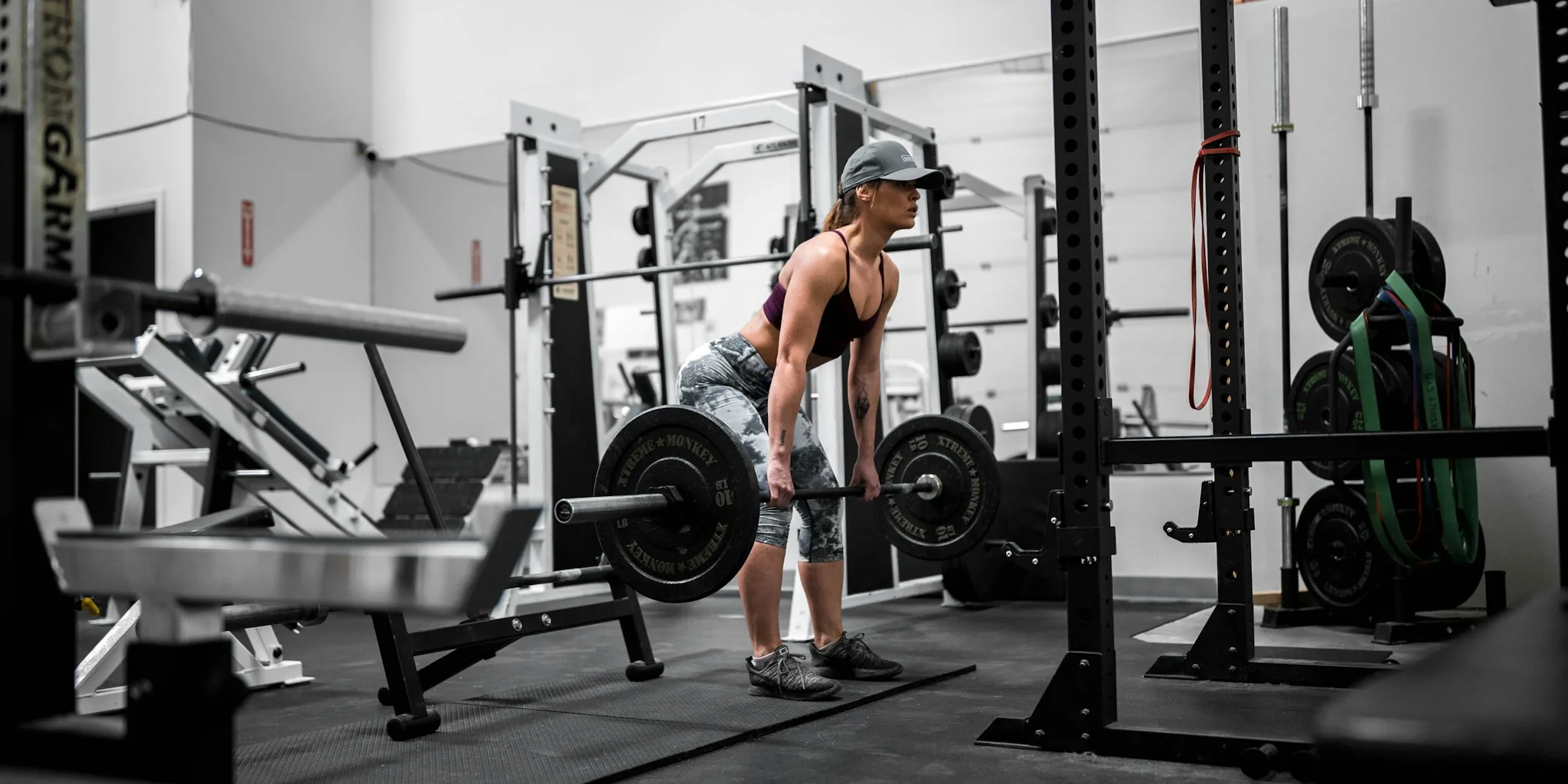
Though currently in recovery mode, the training plan includes a full return to higher intensity lifting work by December. This demonstrates that injury doesn’t mean permanent change to your workout routine, only temporary adjustment. The overall strategy shows how committed athletes think in phases and timelines rather than viewing fitness as an all or nothing proposition.
Shoppers planning their fitness investments should adopt this phased mindset. You might purchase lighter training options now for current needs while planning for more advanced equipment as your capability grows. This approach prevents buyer’s remorse and ensures your gym purchases align with where you actually train, not where you hope to train someday.
Why Appearance Matters in Motivation
A significant factor in maintaining workout consistency comes from how workout clothing makes you feel. Wearing activewear that makes you feel confident and attractive increases your likelihood of showing up to exercise regularly. This isn’t superficial; it’s applied psychology that transforms your mindset before workouts even begin.
Many fitness enthusiasts report that investing in quality, flattering workout clothes creates an instant mood boost when they catch their reflection at the gym or on the track. This confidence factor correlates with higher exercise adherence and longer term success. When shopping for workout gear, prioritize fit and style preferences that excite you personally rather than following generic recommendations.
Key Takeaways for Fitness Equipment Shoppers
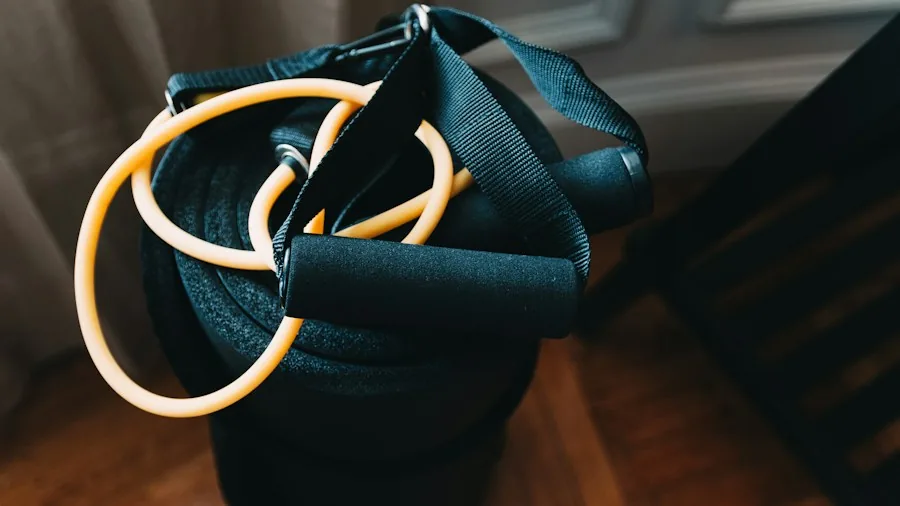
- Functional training with light weights and resistance bands offers safer progression when returning from injury or building base fitness
- Walking and running training requires minimal equipment but demands reliable, supportive footwear
- Workout clothing that makes you feel good significantly impacts your motivation and consistency
- Recovery practices like yoga and stretching deserve equal budget allocation as strength training tools
- Long term fitness planning means adjusting your routine based on current needs while maintaining commitment to your goals
Whether you’re recovering from an injury, starting a new fitness routine, or simply looking to adapt your current approach, understanding these principles helps guide smarter equipment and apparel purchases. The goal isn’t perfection or intensity; it’s sustainable progress that keeps you healthy and motivated for years to come. Start by building a balanced leg workout routine that supports muscle development while protecting your joints, then expand from there based on your personal goals and current fitness level.





Write Your Review
No reviews yet. Be the first to share your experience!