
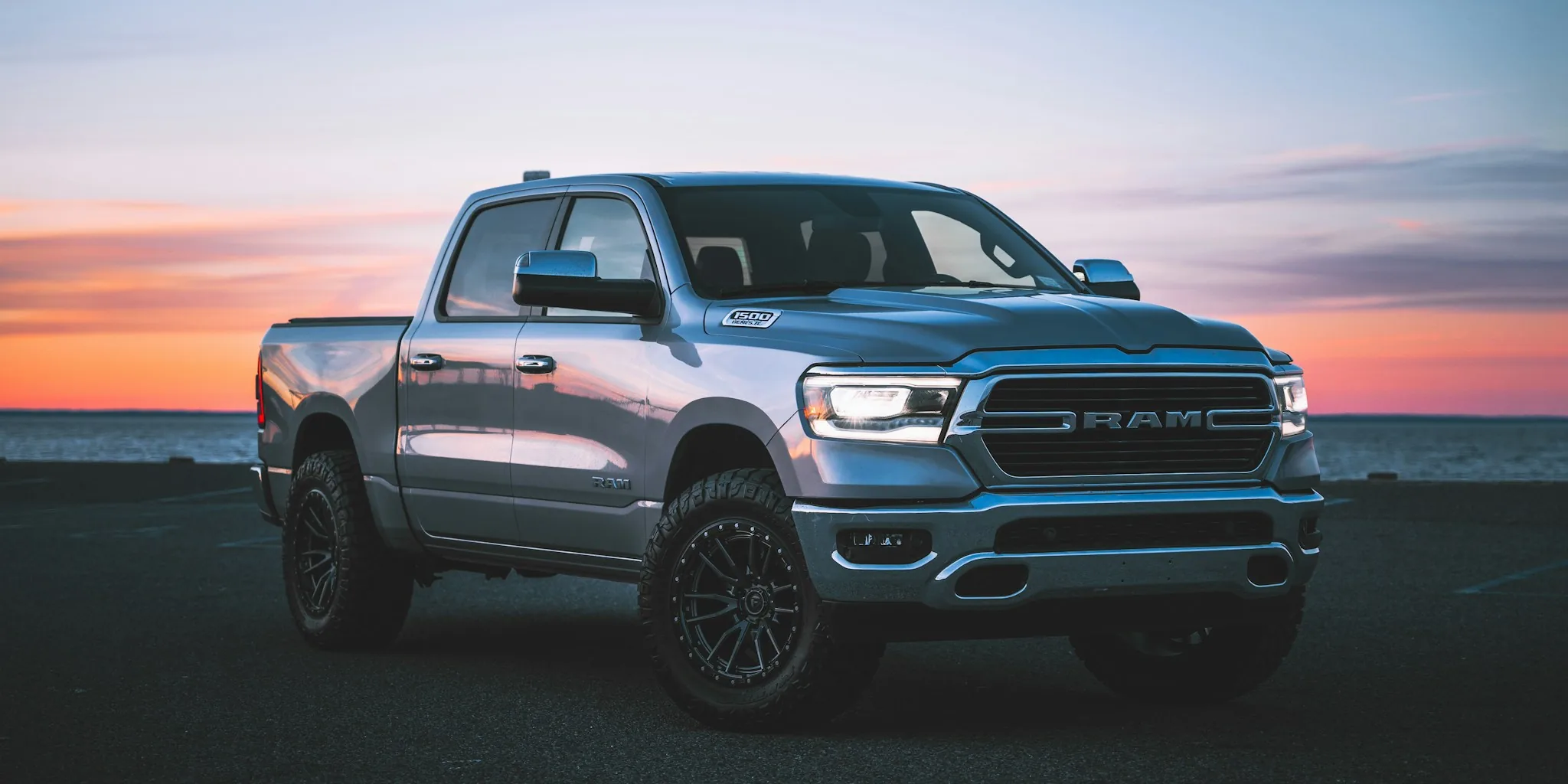

Honda and Mitsubishi Team Up to Build a New Pickup Truck
Honda has signed a memorandum of understanding with Mitsubishi to develop a Honda-branded pickup truck that will arrive by 2028. This marks a significant shift for Honda, which has historically stayed away from traditional body-on-frame truck designs. The new vehicle will be based on the Mitsubishi Triton platform and will be sold exclusively in Southeast Asian markets including Indonesia, Vietnam, and Thailand.
While Honda’s very first four-wheeled vehicle was actually a pickup truck back in 1963, the company has largely abandoned the segment in favor of passenger cars and SUVs. The Ridgeline, introduced in the early 2000s, was Honda’s attempt at a truck for North American buyers, but it used a unibody design rather than the traditional separate frame construction that many truck shoppers prefer. This new partnership represents Honda’s first genuine body-on-frame pickup offering in modern times.
What the New Truck Could Look Like
Details about the final design remain unclear at this stage. The partnership could range from a simple badge-swap with minimal changes to a more substantially differentiated vehicle. For example, Honda’s approach with other co-developed vehicles has included distinct interior layouts, different software systems, and unique exterior styling even when sharing the same underlying platform.
The current Mitsubishi Triton comes equipped with two 2.4-liter engine options: a naturally aspirated gasoline version and a turbocharged diesel that produces 201 horsepower and 347 pound-feet of torque. Honda might choose to install a smaller turbocharged gasoline engine to differentiate its truck from the Triton, or it may opt for simpler cosmetic modifications while leveraging Mitsubishi’s proven mechanical foundation. Given Honda’s established presence in Southeast Asia through its successful motorcycle and scooter business, brand recognition alone could drive customer preference toward a Honda-badged truck.
What This Means for North American Shoppers

For consumers in the United States and Canada, this partnership will not result in a Honda truck arriving anytime soon. The 25 percent tariff on imported small pickup trucks, often called the “Chicken Tax,” makes it economically unfeasible for Honda to bring a Triton-based vehicle to North America. Additionally, Honda is already developing a successor to the Ridgeline for the North American market, eliminating any immediate need for a second truck offering.
The midsize truck segment in America is already intensely competitive. Toyota’s Tacoma dominates the category, while Ford’s Ranger and Chevrolet’s Colorado and GMC Canyon continue to capture significant market share. Honda would face an uphill battle attempting to establish a new truck model in this crowded landscape.
However, there is potential upside for Mitsubishi. The Japanese automaker has a thinner vehicle lineup in the U.S. market compared to competitors, and a rebadged Honda product could fill gaps in its portfolio. Nissan and Mitsubishi are also collaborating on the next generation of the Triton and Frontier, both of which are bound for American dealerships, so Honda-Mitsubishi cooperation could eventually lead to additional product-sharing arrangements.
Broader Implications for the Truck Market
This partnership highlights how global automotive manufacturers are increasingly sharing platforms and technology to reduce development costs and speed time to market. While it may seem unusual for competing brands to collaborate, the economics of vehicle development make platform sharing a practical necessity.
For truck buyers in Southeast Asia, the deal could mean more choice and potential competition that drives better pricing and features. In the U.S., the situation remains largely unchanged. If you are shopping for a truck today, investing in quality accessories like protective bed covers remains a smart way to maximize your investment regardless of brand or model.
The truck market continues to evolve as manufacturers experiment with new powertrains, designs, and global sourcing strategies. Honda’s entry into the body-on-frame pickup segment, even if limited to Asia for now, demonstrates that traditional truck segments remain appealing to buyers worldwide. Whether this partnership eventually expands to other regions or leads to additional Honda-Mitsubishi collaborations remains to be seen.





Write Your Review
No reviews yet. Be the first to share your experience!