

Ford’s New Affordable EV Gains Home Power Capability
Ford is about to shake up the electric truck market with the 2028 Fathom, a sub-$30,000 EV that brings an unexpected bonus: the ability to power your home. This development marks a significant shift in how affordable electric vehicles can serve shoppers beyond just transportation. The Fathom will integrate bidirectional charging technology, meaning it can both receive power from the grid and send electricity stored in its battery back to your house when you need it most.
Bidirectional charging is not entirely new in the EV world, but it has remained an expensive add-on for most buyers. Tesla and General Motors already offer this feature, but the costs can be staggering. GM’s Chevrolet Bolt starts at under $29,000, but adding bidirectional charging capability requires a separate conversion kit priced around $7,000. Tesla’s properly equipped vehicles cost at least $8,000 more than the Fathom’s opening price. Ford’s previous F-150 Lightning offered this technology as well, though its additional hardware setup cost approximately $5,310.
How the Fathom Home Power System Works

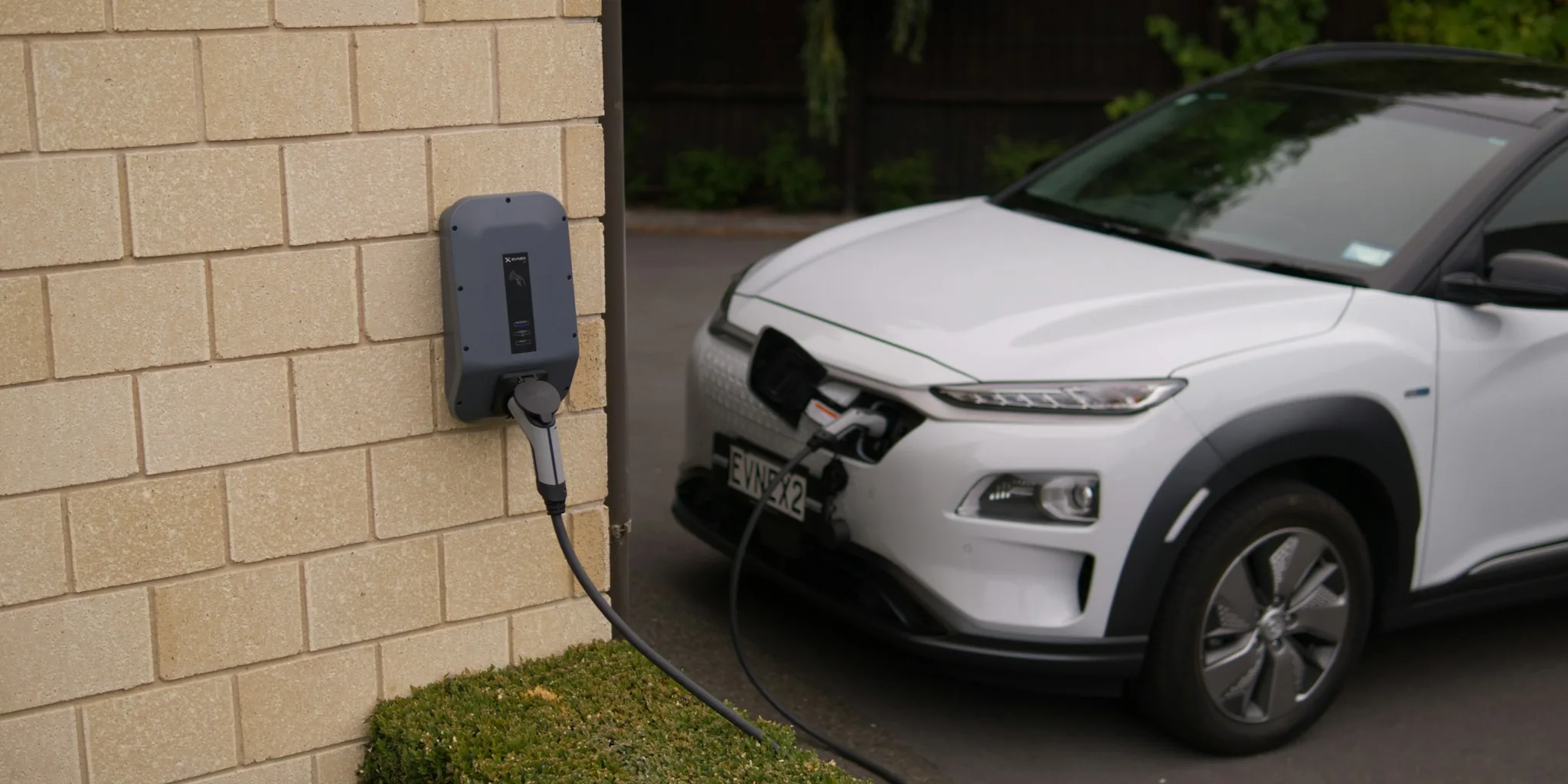
The Fathom’s strength lies in its integrated power inverter, which allows electricity to flow in both directions without requiring as much expensive external equipment as competitor models. The vehicle will work alongside Ford’s Home Power Station, a device that intelligently manages when your EV charges based on electricity pricing. During periods when electricity rates are lower, the system charges your vehicle. When rates spike or during a power outage, the Fathom supplies power to your home instead.
The Home Power Station itself costs significantly less than Ford’s first-generation bidirectional charger, roughly half the price. Pairing it with a Home Backup Power Panel, which Ford says will cost at least 60 percent less than the previous generation version, keeps the overall expense manageable. By Ford’s current estimates, a complete home power setup could run approximately $2,255. Add that to the Fathom’s starting price, and homeowners might access this technology for around $32,200 before installation and subscription fees.
This pricing advantage becomes clearer when compared to traditional alternatives. GM versus Ford EV strategies diverge significantly in their approach to affordability and home integration, with Ford placing strong emphasis on reducing barriers to entry for average consumers.
What This Means for Your Energy Costs
For homeowners interested in reducing electricity expenses, the Fathom presents a practical solution. By charging your vehicle during off-peak hours when electricity is cheaper and then using that stored energy during peak pricing periods, you can meaningfully lower your monthly utility bills. This becomes especially valuable in regions with time-of-use rate structures, where electricity costs fluctuate dramatically throughout the day.
During power outages, the system provides a backup power source without requiring a separate generator. The Fathom’s battery capacity, paired with the backup power panel, can keep essential household systems running. This is particularly valuable in areas prone to grid disruptions or severe weather events.
Real-World Comparison to Competitors
The EV market has seen increasing competition in the affordable segment, and home power integration is becoming a differentiator. While luxury electric vehicles command premium pricing for advanced features, Ford is democratizing bidirectional charging for mainstream buyers.
The company’s approach differs fundamentally from other manufacturers. Rather than selling you a stripped-down EV and requiring expensive aftermarket solutions, Ford has designed the Fathom’s core architecture to support home power from the ground up. This integrated approach reduces complexity and cost compared to retrofitting older designs with bidirectional capabilities.
Important Considerations Before Purchasing
Prospective buyers should note that Ford has not yet announced final pricing for installation services or subscription plans required to operate the Home Power Station. These ongoing costs could affect the total investment. Additionally, the system’s effectiveness depends on your local electricity rate structure, with the greatest savings occurring in areas offering significant differences between peak and off-peak rates.
The Fathom also represents Ford’s commitment to making EV ownership accessible to average American consumers. By bundling practical home integration at an affordable price point, the company is positioning electric vehicles as solutions to household energy management rather than simply replacing gas-powered transportation.
When the 2028 Fathom arrives at dealerships, it will offer buyers a rare combination of affordability, practical truck capability, and genuine home energy independence that was previously available only at significantly higher price points.






Write Your Review
No reviews yet. Be the first to share your experience!