


Most Shoppers Are Using Their Microwave Wrong
If you’ve been heating everything at full power, you’re not alone. The vast majority of home cooks rely on the default maximum setting without ever touching the power button. But appliance experts say this common habit is a missed opportunity that could transform how your food tastes and heats. Understanding and using your microwave’s power settings is one of the easiest ways to improve your results, whether you’re reheating leftovers, melting butter, or cooking delicate proteins.
The power button on your microwave isn’t just a forgotten feature. It’s actually central to achieving even heating, preventing overcooked or dried-out food, and getting consistent results across different dishes. Much like adjusting heat on a stovetop, microwave cooking requires thoughtful power level choices.
How Microwave Power Levels Actually Work
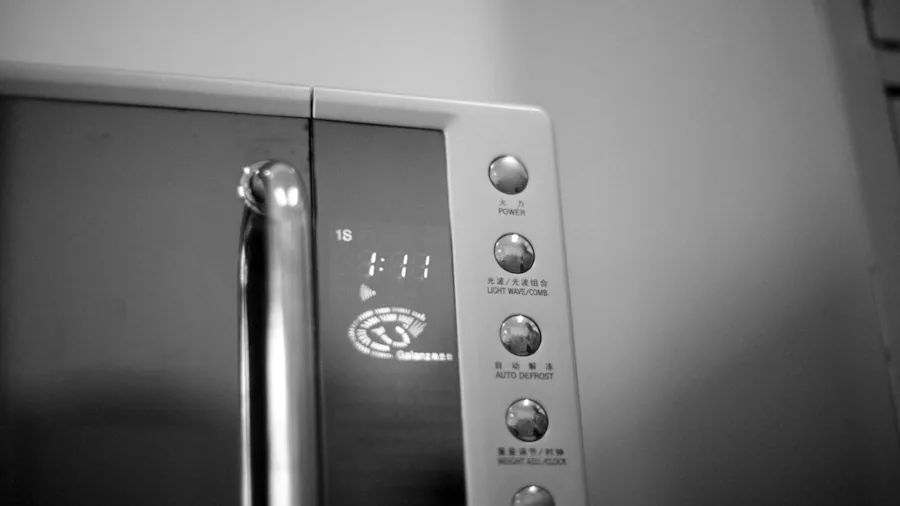
Microwaves heat food by emitting invisible energy waves that make water molecules vibrate and generate heat. Every microwave has a maximum wattage, but adjusting the power level changes how that energy reaches your food.
In traditional microwaves, lower power levels make the unit cycle on and off repeatedly instead of running continuously. These brief pauses allow heat to redistribute evenly throughout your food, preventing those frustrating hot spots where the outside burns before the inside finishes heating.
Modern microwaves with inverter technology work differently. Instead of powering on and off, they steadily reduce the energy delivered throughout the cooking time. This continuous, lower-intensity approach also promotes even cooking and better texture. When shopping for the best microwaves for every kitchen and budget, inverter technology is worth considering if you plan to use variable power settings frequently.
How to Change Your Power Setting
Every microwave brand has slightly different controls, so check your manual for exact instructions. Generally, look for a button labeled Power, Power Level, Features, or Settings. Most units follow this sequence: press the Cook Time button and enter your desired duration, then press Power Level. The display will typically show 10, Full Power, or 100 percent by default. Use the number pad to select your preferred level (for example, 5 for 50 percent), then press Start.
Keep in mind that preset functions like popcorn mode typically don’t allow power level adjustments. Also, take time to familiarize yourself with your specific model’s layout before you need it during meal prep.
When to Use Low Power Settings
Reduce your microwave’s power for foods that are delicate or prone to splitting, burning, or curdling. This category includes custards, chocolate, high-sugar sauces, and dairy-based soups. These foods require gentle, consistent heat and frequent stirring, ideally every 15 seconds.
Delicate proteins like seafood and chicken benefit tremendously from lower power settings because they dry out easily at full intensity. Eggs cooked in the microwave can become rubbery if blasted at maximum power, and grains like rice and oats cook better with slower, extended heating. The key principle is that lower power allows heat to move gradually through food, improving both texture and consistency.
Medium Power for Everyday Reheating
Set your microwave to 50 percent power when reheating most leftovers. This approach prevents the surface from overcooking while the center remains cold, a common frustration with full-power reheating. Instead, the food gently steams and reabsorbs moisture that was lost during initial cooking. Each time the microwave pauses between cycles, heat dissipates deeper into the dish rather than scorching the top layer.
Medium power is especially important for frozen foods or items that can’t be easily stirred, such as casseroles, pot pies, and burritos. Refer to safe meat defrosting methods every home cook should know to ensure food safety when thawing in the microwave.
When Full Power Makes Sense
Maximum power is appropriate for foods with high water content, including fresh vegetables, broth-based soups, and sauces. These foods can handle intense, quick heating without quality loss. Always cover your dish to prevent splatters, and remember that the container will become very hot. Use oven mitts and place the bowl on a plate before removing it from the microwave.
You can also cook pasta on high power. However, for bringing foods to temperature quickly while maintaining quality, medium to low power generally delivers superior, more controlled results than the fastest setting available.
The Takeaway for Smarter Microwave Use
Your microwave’s power button is not a decorative feature. Using it strategically makes the difference between rubbery, unevenly heated meals and perfectly cooked food with ideal texture and moisture. Start experimenting with different power levels based on what you’re cooking, and you’ll quickly discover which settings work best for your favorite dishes and family preferences.





Write Your Review
No reviews yet. Be the first to share your experience!