
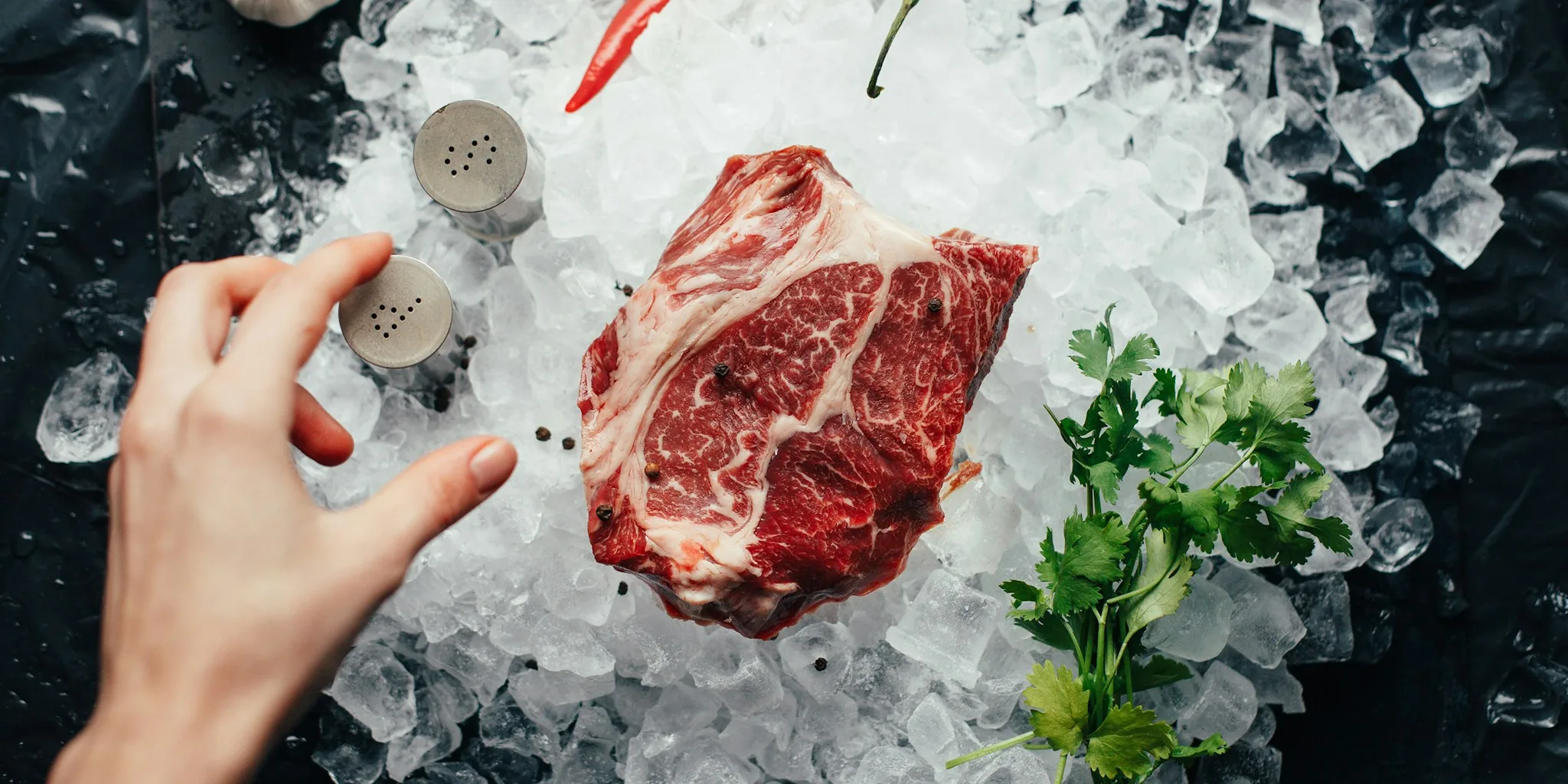

Defrosting meat safely is a critical step in food preparation that many home cooks either rush or handle incorrectly. Recent guidance from food safety experts clarifies the best practices for thawing frozen protein, including the fastest microwave method and why some common approaches can put your family at risk.
Understanding the Bacterial Danger Zone
The key to safe meat defrosting is understanding what the USDA calls the “danger zone”: temperatures between 40°F and 140°F. When meat lingers in this temperature range during thawing, harmful bacteria like Salmonella and strains of E. coli multiply rapidly. The dangerous part is that contaminated meat may look and smell completely normal, making it impossible to detect by sight or smell alone. This is why following evidence-based food safety protocols matters, even when it feels inconvenient.
The Gold Standard: Refrigerator Thawing
Food experts agree that overnight refrigerator thawing remains the safest method. It requires planning ahead, but the payoff is substantial. Once fully thawed in the refrigerator, ground meat, poultry, and seafood stay safe for an additional one to two days, while red meats last three to five days longer. An added benefit: meat thawed this way can be safely refrozen if plans change, though some texture loss may occur.
Cold Water Thawing as a Backup Plan
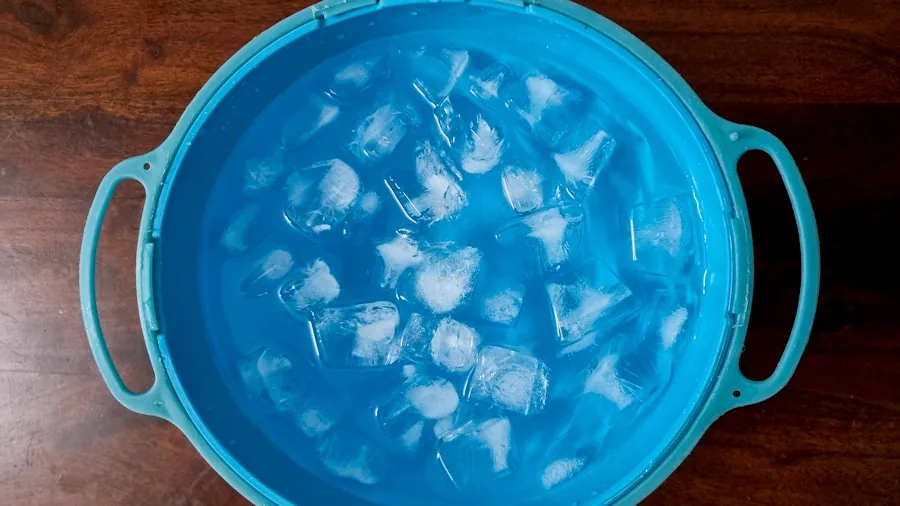
If you forgot to transfer tonight’s chicken or ground beef to the fridge last night, the cold water method works well as an alternative. Submerge your sealed meat in a bowl of cold water and change the water every 30 minutes to keep it cold. Smaller cuts (around one pound) thaw in roughly an hour, while larger portions of three to four pounds need two to three hours. This approach is more hands-on than refrigerator thawing but avoids the bacterial risks of room-temperature defrosting.
Quick Microwave Defrosting: The Fastest Option
The microwave offers the fastest route to thawed meat, sometimes in under ten minutes. This method works best for smaller cuts that will cook through completely after thawing, such as chicken breasts destined for stir-fry or ground beef for tacos. Check your microwave’s manual for specific defrost settings tailored to your appliance. The best microwaves for every kitchen and budget include defrost features that vary by model, so understanding your unit’s capabilities matters. If your microwave lacks a dedicated defrost button, use a lower power level and run it in short bursts to avoid accidentally cooking the outer edges while the interior remains frozen. The critical step: cook the meat immediately after thawing, without delay.
Cooking Frozen Meat Directly: A Valid Option
While unconventional, cooking frozen meat straight from the freezer is safe and sometimes practical. Ground turkey, chicken breasts, and solid beef cuts all cook safely without prior thawing. The downside is a roughly 50 percent increase in cooking time and less-than-ideal texture, such as difficulty achieving crispy skin or a perfect sear on steak. This method suits weeknight dinners when thawing simply wasn’t possible, but avoid using a slow cooker for this approach, since the extended warming period can allow bacteria to proliferate.
What Not to Do
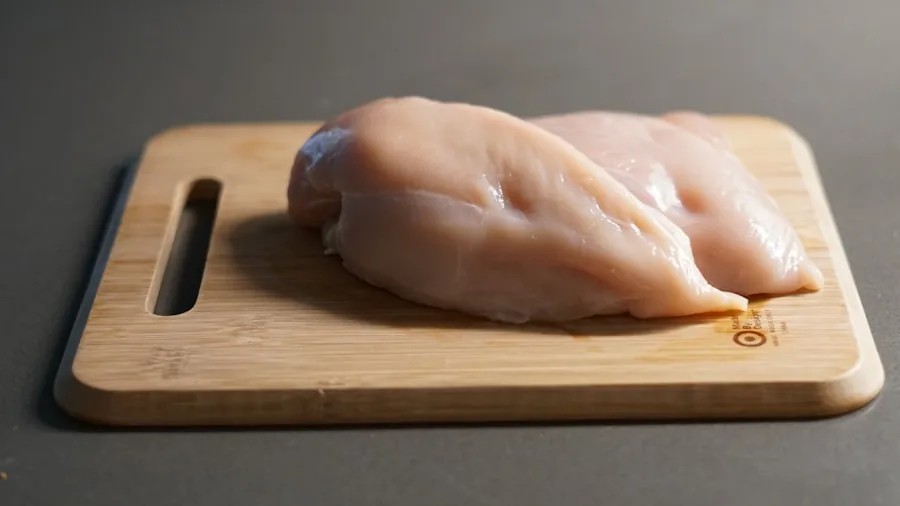
Counter-top thawing and hot water thawing are not safe methods, according to USDA standards. Meat left at room temperature for more than two hours risks bacterial growth, especially once it rises above 40°F. Even if the meat appears fine, dangerous pathogens may be multiplying unseen.
Choosing the Right Method for Your Schedule
Your defrosting choice ultimately depends on how much advance planning you’ve done. For the safest results with flexibility to refreeze, use the refrigerator overnight. For moderate speed without special equipment, try the cold water method. When time is truly limited, modern kitchen appliances like air fryers can also cook thawed meat quickly. The microwave remains the fastest single-method option for small cuts, provided you cook immediately afterward. Understanding these options empowers you to make food-safe choices that fit your schedule and meal-planning habits.

Write Your Review
No reviews yet. Be the first to share your experience!