
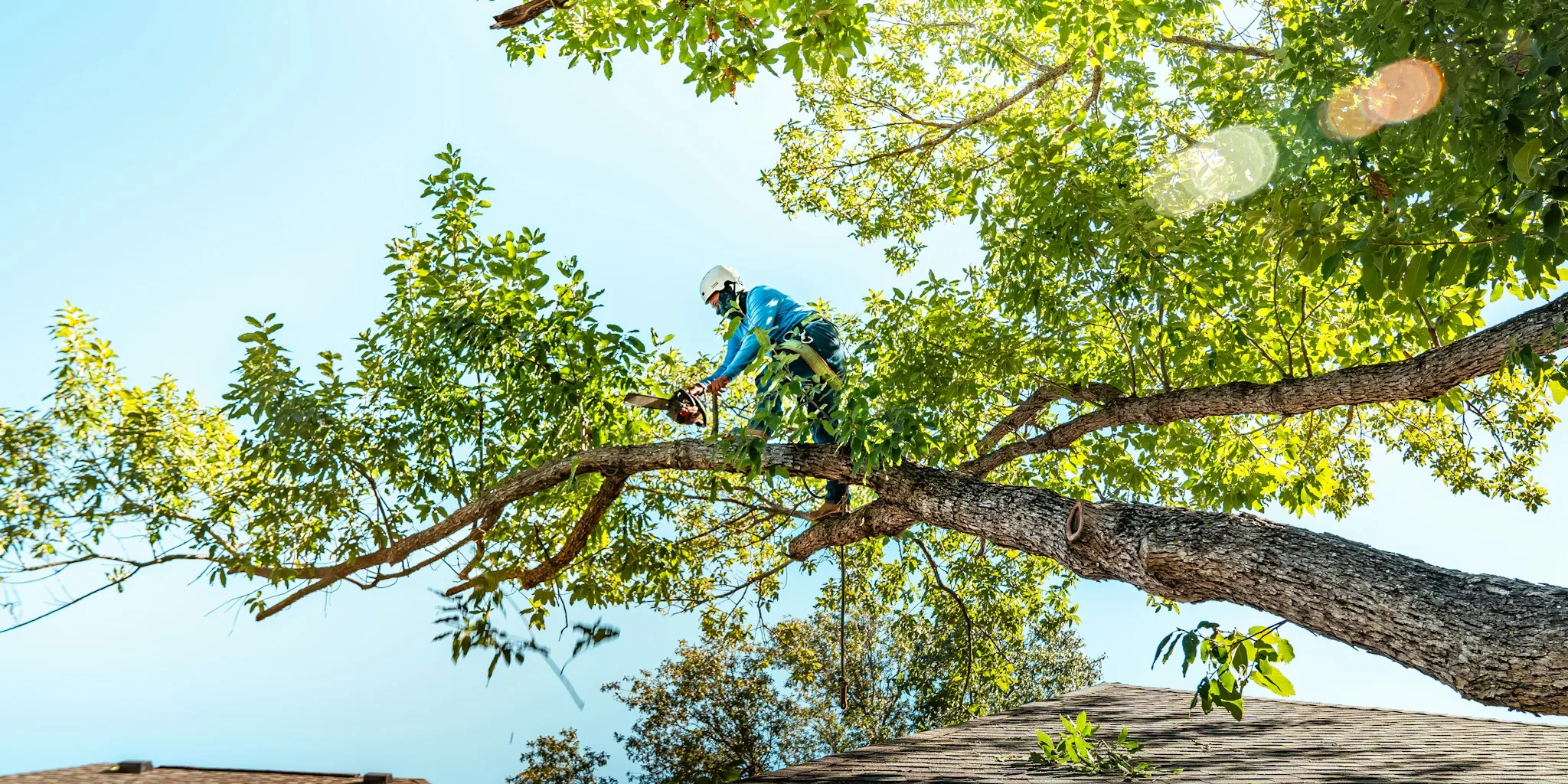

One of the most common misconceptions in gardening is that tree wounds must be sealed with paint or sealant to prevent rot and disease. For generations, homeowners have purchased wound dressings to protect freshly cut branches, believing they were doing trees a favor. However, modern arboricultural science has revealed that this practice often causes more harm than good. Understanding how trees actually heal themselves will transform the way you approach pruning and storm damage recovery in your garden.
Understanding the Tree Wound Sealant Myth
The belief that trees need wound protection arose from a simple misunderstanding: people assumed trees heal like human bodies do. When we sustain a cut, we clean it, apply antiseptic, and seal it to prevent infection. Gardeners projected this same logic onto trees, reasoning that exposed heartwood would invite beetles, fungi, and disease. By the early twentieth century, marketers capitalized on this fear, promoting petroleum-based paints and tar compounds as miracle solutions. The problem is that trees don’t have circulatory systems like humans, and their healing mechanisms operate on completely different principles.
Why Sealants Actually Harm Trees
Scientific research conducted over the past several decades has definitively shown that wound dressings do not prevent decay; they accelerate it. When you apply paint or sealant to a cut branch, you trap moisture beneath a protective crust. As weather shifts and wood expands and contracts, hairline cracks form in the sealant. Rainwater seeps into these fissures but cannot evaporate, creating a damp environment where bacteria and fungi thrive. Additionally, sealants smother the living cells along wound margins, preventing the tree’s natural healing process from engaging. By attempting to protect the tree, you may actually be sealing pathogens inside while cutting off the fresh air recovery requires.
How Trees Protect Themselves Naturally
Trees employ a sophisticated internal defense mechanism called compartmentalization of decay in trees, or CODIT. The moment you make a cut, the tree activates multiple biological barriers. Cells near the wound form a cork layer between the damaged tissue and healthy wood inside. Simultaneously, the outer edges produce swollen ridges of tissue called callus wood. Over time, new healthy tissue grows from the outside inward until the entire wound is covered. This process works best when you leave the cut completely alone, allowing the tree to manage its own recovery without interference.
The Right Way to Prune for Healthy Healing
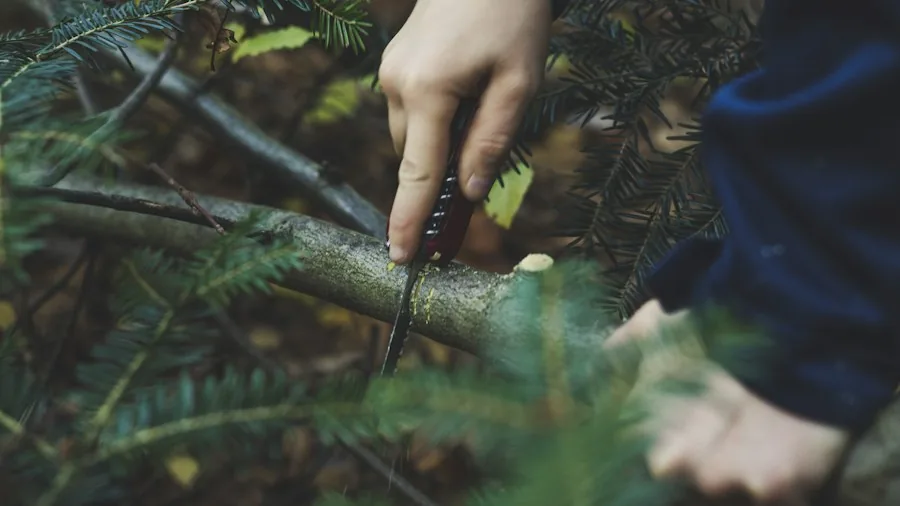
Your pruning technique matters far more than any product you apply afterward. Always use sharp, sterilized pruners or saws, as clean cuts enable the tree’s natural defenses to activate properly. The most critical technique is learning to cut outside the branch collar, which is the swollen shoulder of wood where a branch meets the trunk or parent limb. This collar contains specialized cells designed to generate CODIT barrier walls. Make your cut just outside this structure, never flush against the trunk. When working with heavy branches, use a three-cut method: first make a shallow upward cut one-third through the branch about twelve inches from the trunk, then cut from above two to three inches outward from the first cut. Finally, make a single clean cut just outside the branch collar to remove the stub. Pair these skills with proper protective gloves to maintain safety while working.
When Sealants Are Actually Necessary
There are rare exceptions to the no-sealant rule, but these apply only to specific circumstances. Native oak and elm species in regions where oak wilt or Dutch elm disease are prevalent may benefit from a thin water-based latex paint or specialized tree wound spray applied immediately after pruning or storm damage during spring through mid-summer. These diseases spread through beetles attracted to fresh sap, so a thin barrier masking the scent can prevent transmission. However, this exception does not apply year-round or to most tree species. Once outside the active insect season, even oaks and elms should be left unsealed.
Managing Storm Damage Correctly
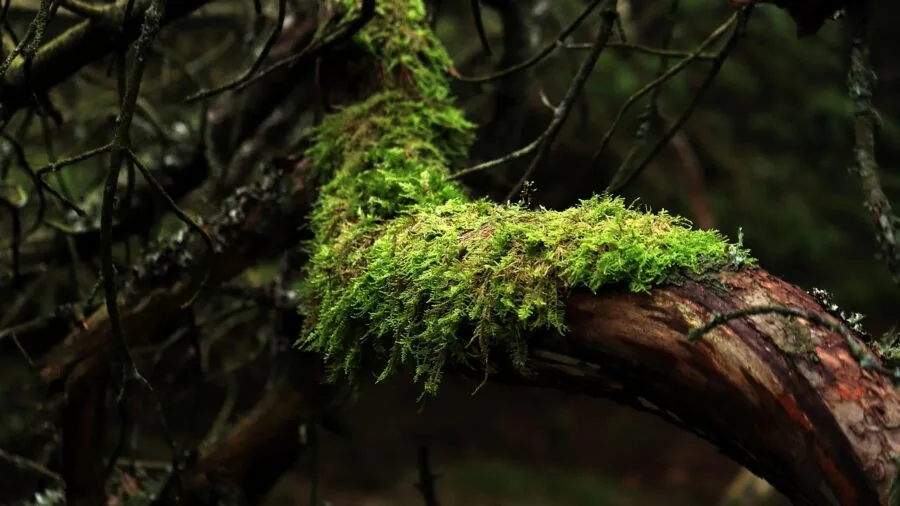
After a severe storm, act quickly to clean up jagged breaks so the tree’s compartmentalization mechanisms can engage. Always prioritize safety by never approaching trees tangled in utility lines or with hanging widow-maker branches overhead; call a certified arborist instead. For accessible damage, use a sharp utility knife to trim away loose bark flaps and create smooth margins around the wound. Jagged branch stumps cannot seal properly, so trace the break back to the nearest healthy branch union and make a clean, flat cut. If more than half the canopy remains intact, the tree can likely recover. Support recovery by applying a two to three-inch layer of organic mulch over the root zone, keeping it six inches from the trunk flare. This helps regulate soil moisture and temperature as the tree redirects energy into healing.
Supporting Root Health Instead
Rather than focusing on wound dressings, direct your efforts toward supporting the tree from below. Maintain consistent watering and apply mulch to retain moisture and regulate soil temperature. If appropriate, mycorrhizal fungi amendments can assist with root rejuvenation in stressed trees. These approaches address the real needs of a damaged tree far better than any topical sealant. When you combine proper pruning technique, clean wound management, and below-ground root support, you give your trees the foundation they need to heal completely on their own. Pair these practices with well-chosen garden structures to create an overall environment where trees and plants thrive. Trees are resilient organisms equipped with extraordinary internal defenses honed over centuries of evolution. Trust these mechanisms, skip the wound dressing, and your garden will be stronger for it.



Write Your Review
No reviews yet. Be the first to share your experience!