


As temperatures drop in autumn, unexpected frost warnings can arrive with minimal notice. One evening the forecast dips toward freezing while your peppers still have fruit and your fall lettuce is finally reaching full size. Protecting your plant from frost damage doesn’t require a trip to the garden center or expensive frost cloth. Many effective frost protection solutions are sitting in your recycling bin or linen closet right now.
Why Frost Protection Matters for Shoppers
Understanding how frost damages plants helps you decide which protection method suits your needs. On clear, calm nights, soil releases the heat it absorbed during the day. Without cloud cover, that warmth drifts upward and away into the atmosphere. A covering, even a thin one, intercepts some of this escaping heat and holds it near your plant. This simple principle is why household items work so well for light frost conditions, where temperatures drop just a few degrees below freezing and warm up by mid-morning. However, these DIY solutions have limits. They’ll protect plants through that first frost and extend your harvest by several days or weeks, but they won’t withstand a hard freeze that persists for multiple days.
Cardboard Boxes: Instant Protection
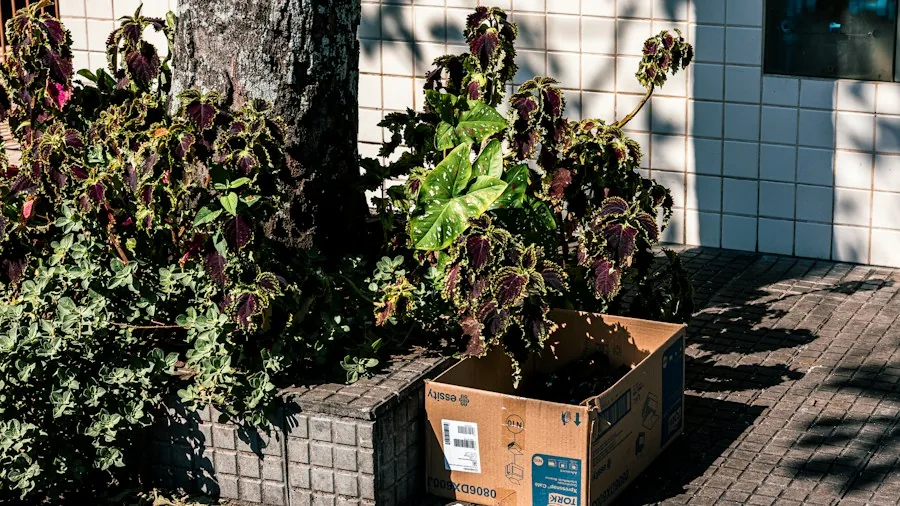
Cardboard boxes offer immediate frost coverage when the forecast turns cold. Flip a box over your plant at dusk, ensuring it doesn’t press against delicate tips. If the box is too small, use a larger size and fold the flaps inward so the edges rest on the soil. Secure it with a brick if wind is expected, since empty cardboard weighs almost nothing. One key drawback: cardboard blocks all light and becomes soft and heavy with morning dew, so you must remove it first thing in the morning to prevent moisture damage and allow light to reach your plant.
Fabric Covers: Reusable Season After Season
Old bed sheets and pillowcases are among the most versatile frost protection tools available. A queen-size flat sheet stretches over an entire garden border, while pillowcases work for individual small plants. Cotton fabric is breathable and allows air circulation, which prevents the moisture and heat trapping that damages tender foliage. Stake tomato cages or wooden supports into the soil first to keep the weight of dew-soaked fabric off your plant stems. Weigh down the sheet edges with rocks or row cover clamps. On rainy nights, drape a tarp over the fabric layer, but ensure the plastic never touches leaves directly, as it conducts cold straight through to the foliage.
Milk Jugs and Makeshift Cloches
Gallon-size plastic milk jugs, once rinsed and the bottom cut off, create mini cloches perfect for seedlings and young lettuce heads. Press the open edge about an inch into the soil to anchor it against wind. Leave the cap on during cold nights to trap warm air, then twist it off on sunny days so heat doesn’t build up excessively inside the sealed container. This approach costs nothing and works as effectively as commercial plastic cloches you’d buy at a garden center. For potted plants on a patio, wrap bubble wrap around the outside of the container below the rim. The trapped air layer slows heat loss from roots, and since it doesn’t touch the plant itself, it can remain in place through an extended cold spell.
Paper Products: Lightweight and Accessible
Newspaper, when spread several layers thick over low plants and tender vegetables, provides temporary insulation on frost nights. Roll a single sheet into a cone for individual seedlings. Weigh corners with rocks to keep the covering in place. Be aware that once dew soaks through, paper loses much of its insulating value, so plan to remove it each morning and allow it to dry. For longer-lasting protection in wet conditions, consider upgrading to a polypropylene frost blanket from a garden supply retailer.
Additional Frost Protection Strategies

Autumn leaves offer autumn-specific frost protection, though timing matters significantly. Wait until late fall when soil has already cooled before heaping a few inches of shredded leaves around tender perennial crowns. Applying leaf mulch too early can actually insulate the ground and create welcoming habitat for voles. Shred leaves with a mower first so they stay loose and drain properly. Leave a small gap around each plant stem to prevent crown rot during winter.
Toilet paper tubes and paper towel tube segments serve dual purposes: they protect seedlings from frost while also blocking cutworms from chewing through stems at soil level. Simply slide a tube over a young transplant and press it about an inch into the soil. Growing plants from kitchen scraps offers another way to maximize your garden investment, and protecting these new seedlings with simple materials keeps costs minimal.
Best Practices for Maximum Protection
For optimal results, combine multiple protection methods. Pair toilet paper tubes with a milk jug or newspaper for better frost coverage. Monitoring your plant health throughout the season helps you identify which specimens need frost protection most urgently. An outdoor thermometer hung near your garden bed makes morning monitoring easier, though remember that air temperature at ground level can run several degrees colder on still nights.
The key to success is removing all covers each morning once temperatures rise above freezing. Leaving covers on traps heat and moisture, which can damage the very plants you’re trying to protect. After use, fold up your covers and store them in a dry location for the next frost advisory. With just a little preparation using items you already have at home, you can successfully extend your plant growing season and harvest well into autumn.



Write Your Review
No reviews yet. Be the first to share your experience!