
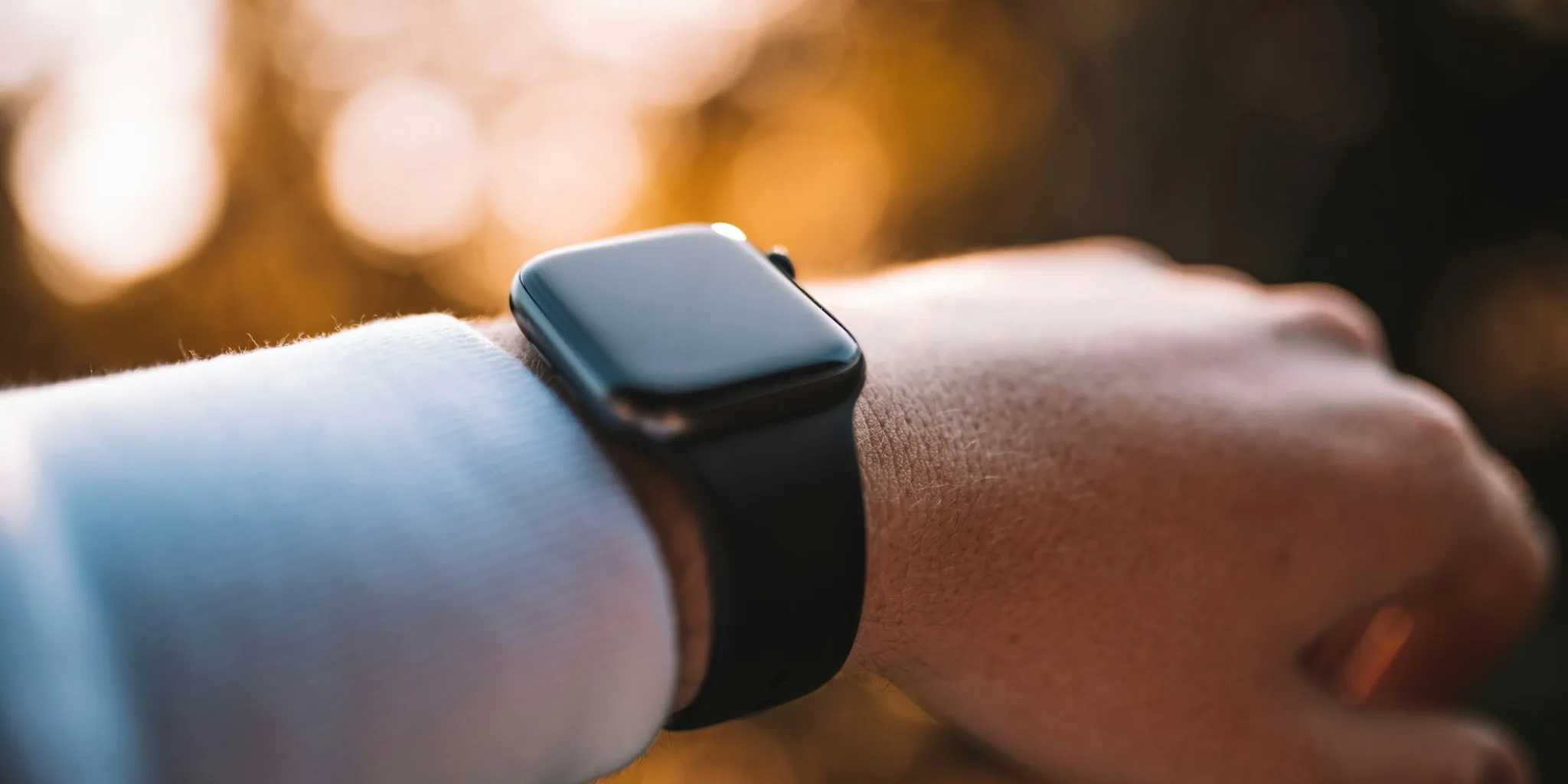

Garmin’s next generation of smartwatches is putting serious pressure on one of the most durable display technologies ever created. OLED screens are rapidly taking over flagship models, and the company’s Chief Operating Officer has revealed something important: the gap between traditional memory-in-pixel (MIP) displays and power-hungry OLED screens is finally closing enough to matter for everyday users.
For years, MIP displays have remained the go-to choice for watches designed to survive extreme conditions and multi-day adventures. These reflective screens get brighter and clearer in sunlight while consuming almost no power, which meant a watch could operate for weeks or months on a single charge. OLED, by contrast, emits its own light and requires significant power to reach readable brightness levels in bright outdoor conditions. That fundamental difference has shaped Garmin’s strategy since introducing its first OLED watch back in 2019.
The Turning Point for OLED Adoption
Battery life improvements on OLED models have accelerated dramatically over the past few years. According to Garmin leadership, each generation of OLED watches has delivered better endurance than the one before it. While the gap between MIP and OLED hasn’t completely closed, it’s narrowed enough that the company is making strategic choices about which watch lines get which display technology.
The shift started quietly. Mid-tier Forerunner models no longer offer MIP options at all, meaning shoppers now get OLED screens across that entire product family. Higher-end adventure watches like the Fenix 9 series still maintain MIP availability, particularly in solar-charging variants that can claim effectively unlimited battery life. This two-track approach shows where Garmin believes the technology stands today.
Understanding the Trade-Offs

For casual runners, cyclists, and fitness enthusiasts who keep their watches near charging points, this evolution poses no real problem. OLED screens deliver vibrant colors, sharper detail, and superior visibility compared to the monochromatic gray displays of MIP technology. However, for ultramarathon runners, backcountry hikers, and other extreme-use customers, the battery question remains legitimate.
When you activate an OLED watch’s always-on display mode and then spend an afternoon outdoors in bright sunlight, battery drain becomes noticeably faster than with an MIP alternative. An OLED screen might need to reach 3000 nits of brightness to remain legible against strong sun, whereas an MIP display naturally reflects that sunlight and actually becomes easier to read without consuming extra power. That difference compounds over weeks of heavy outdoor use.
Solar Charging Could Be the Real Game Changer
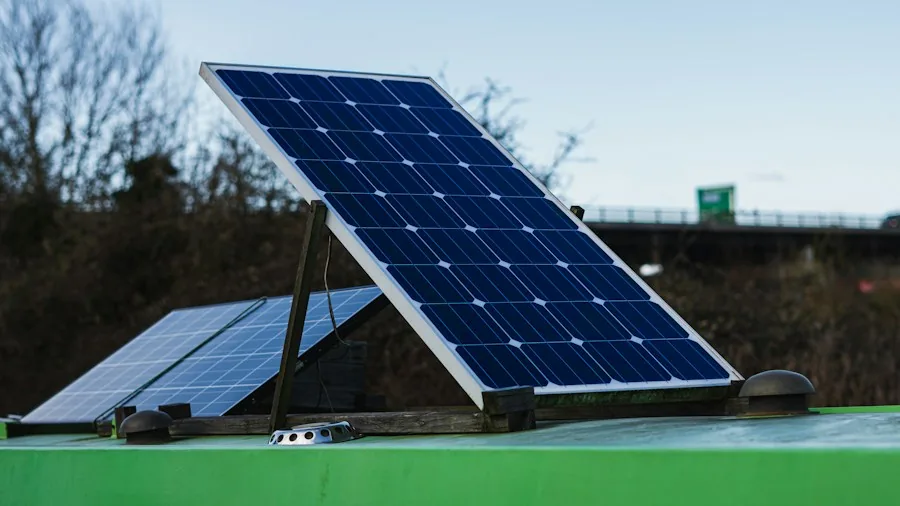
Garmin executives have suggested that the final catalyst for retiring MIP entirely may not arrive when OLED battery efficiency alone improves enough, but rather when solar-charging technology successfully combines with OLED screens. So far, these have remained incompatible because the transparent solar layer typically placed over an MIP display would degrade OLED image quality.
However, Garmin has experimented with crystalline silicon solar technology, the same material used in traditional solar panels. Rather than layering it over the display itself, this approach moves the solar-charging surface to the watch bezel and outer edges, leaving the screen unobstructed. This method works successfully in solar MIP watches today and could theoretically work just as well with OLED. If Garmin cracks this combination, the remaining advantages of MIP would essentially disappear.
When shopping for a premium OLED display technology, many consumers have already become familiar with how the best implementations perform. That same push toward OLED excellence now applies to wearables. The company’s track record with investing in superior display technology across product categories suggests this solar-OLED fusion may come sooner rather than later.
What This Means for Your Next Watch Purchase
If you’re considering a new Garmin smartwatch, understand that display choice increasingly depends on your actual use case rather than technical superiority. An OLED Forerunner or Epix model will offer better visibility and more engaging visuals for most owners. A solar-equipped MIP Fenix or Instinct will deliver legendary battery life for expedition-style use.
Neither choice is wrong, but the window for MIP-only options continues narrowing. Within the next few years, expecting OLED to become the standard across consumer electronics appears increasingly realistic. Garmin’s ongoing commitment to battery optimization suggests the tipping point isn’t far away. If solar charging finally pairs successfully with OLED screens, MIP’s reign on premium watches will effectively end, and shoppers will gain the best of both worlds: stunning visuals and multi-week endurance.




Write Your Review
No reviews yet. Be the first to share your experience!