

Why Save Basil Seeds
Growing basil in your garden each season doesn’t have to mean buying new seed packets every year. By harvesting and preserving seeds from your own plants, you gain several practical advantages. First, you save money on annual seed purchases, allowing you to invest your gardening budget elsewhere. More importantly, seeds saved from plants thriving in your specific climate and conditions will produce hardier plants better suited to your local environment. When you consistently save seed from your best performers year after year, you’re essentially developing a basil strain that handles your unique temperature, humidity, and pest pressures far better than generic varieties.
Understanding Basil Varieties and Cross-Pollination
Not all basil is created equal when it comes to seed saving. Heirloom and open-pollinated varieties like Sweet Basil and Sweet Thai Basil will remain true to type when you save their seeds, provided they don’t cross-pollinate with other basil types nearby. Hybrid varieties, by contrast, don’t produce seeds that grow into plants matching the parent plant. If you save seed from a hybrid basil, it will revert to one of its parent varieties and lose the specific traits the hybrid was bred to have, such as disease resistance.
To prevent unwanted cross-pollination between different open-pollinated basil varieties, space them at least 150 feet apart in your garden. If space is limited, hand-pollinate your plants and cover them with insect barrier cloth to control which plants breed together. Some gardeners even intentionally cross different basil varieties to experiment with creating new trait combinations, then grow out the resulting seeds to see what develops.
When and How to Harvest Basil Seeds
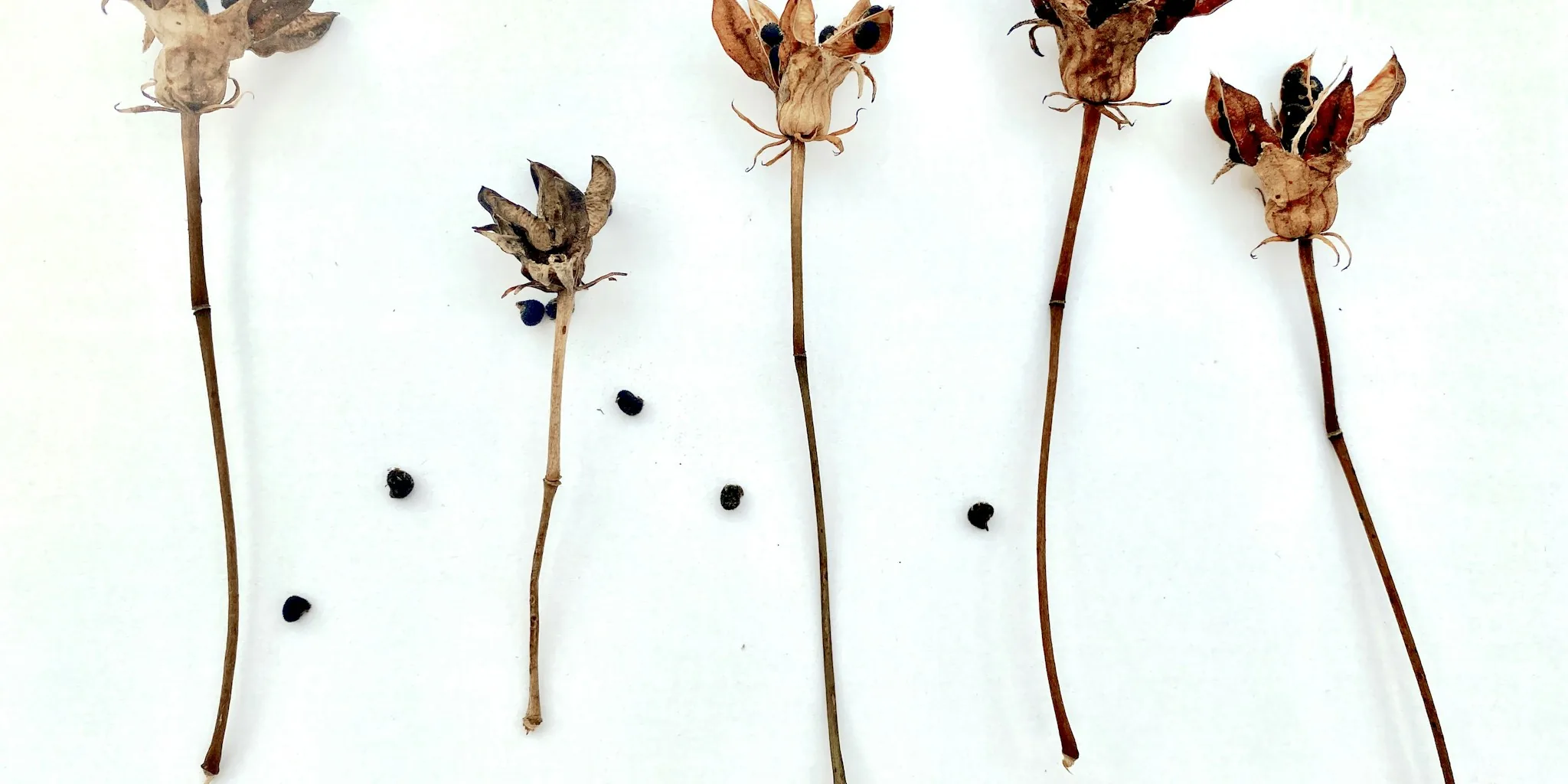
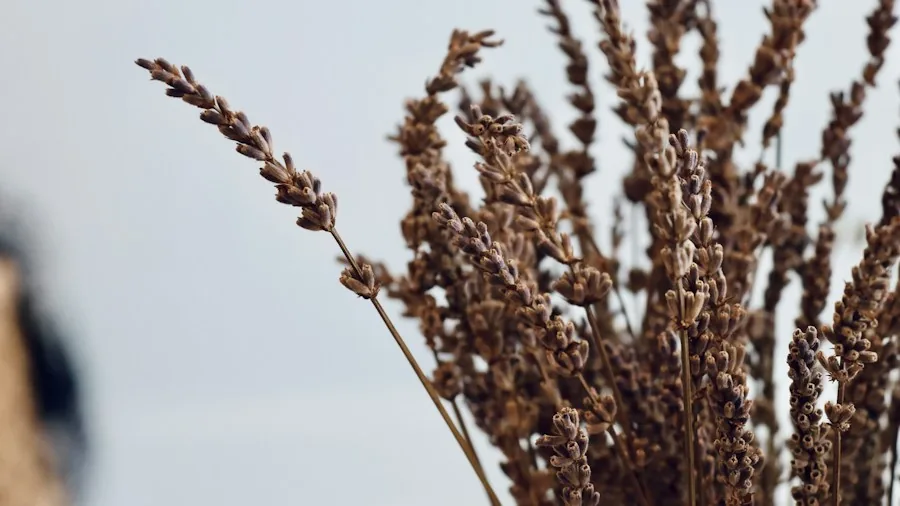
During the active growing season, you normally pinch off basil flower buds to encourage leaf production for cooking and harvesting with quality garden pruners. To collect seeds, you must instead allow your plants to flower and bolt. The flowers develop along tall, straight stems, and seeds form inside tiny pod-like structures called carpels. Seeds are ready to harvest once the flower stalks have turned brown and dried completely, typically by late summer or early fall.
Collect the brown flower stalks by breaking or trimming them from the plant. Loosely bundle them together with seed heads facing downward and place them inside a clean, dry paper bag. Tie the bag around the bundle’s stems and hang it in a dark, dry location. As the flower heads continue to dry, the carpels will naturally split open and release their seeds, which drop to the bottom of the bag. This passive method is superior to manually forcing seeds out, since it ensures only fully ripened seeds end up in your collection.
Selecting the Best Plants for Seed Collection
Always choose your healthiest, most vigorous basil plants as seed sources. Avoid harvesting seeds from stunted, weak, or visibly diseased plants, as their seeds may not give you strong seedlings. Specifically, skip any plants that showed signs of bacterial leaf spot or fusarium wilt, since these diseases can transfer through the saved seed and compromise your future crop. By selecting only from your garden’s best performers, you’re reinforcing the traits you want: vigor, productivity, and disease resistance.
Cleaning and Storing Your Seeds
Once most seeds have dropped into the paper bag, you’ll need to separate them from dried leaves and stem fragments. For small batches, simply remove debris by hand. For larger quantities, use a mesh kitchen strainer and bowl. Spread newspaper or a light-colored sheet beneath your work area to catch any stray seeds, then gently pour bag contents into the strainer and jiggle it so small seeds fall through into the bowl below while larger plant material stays in the strainer. Repeat until the bag is empty.
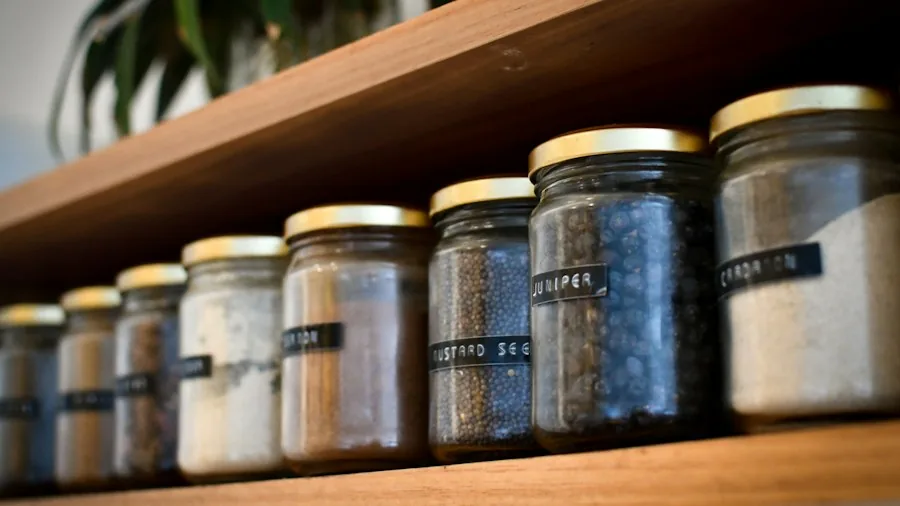
Store clean, dry seeds in sealed glass jars kept in a cool, dark, low-humidity environment. Like caring for long-term garden investments, proper storage extends viability significantly. Include food-grade desiccant packets in your containers to absorb any residual moisture. Amber-colored glass jars work especially well since they block light. When stored this way, basil seeds typically remain viable for at least two to three years, though germination rates gradually decline over time.
To test whether old seeds are still worth planting, place a sample on a moistened paper towel inside a partially opened zip-top bag and count how many sprout after a few days. Label your seed containers with the variety name and harvest date so you always know what you’re planting and how old your stock is. This simple tracking system ensures you get consistent results season after season.


Write Your Review
No reviews yet. Be the first to share your experience!