
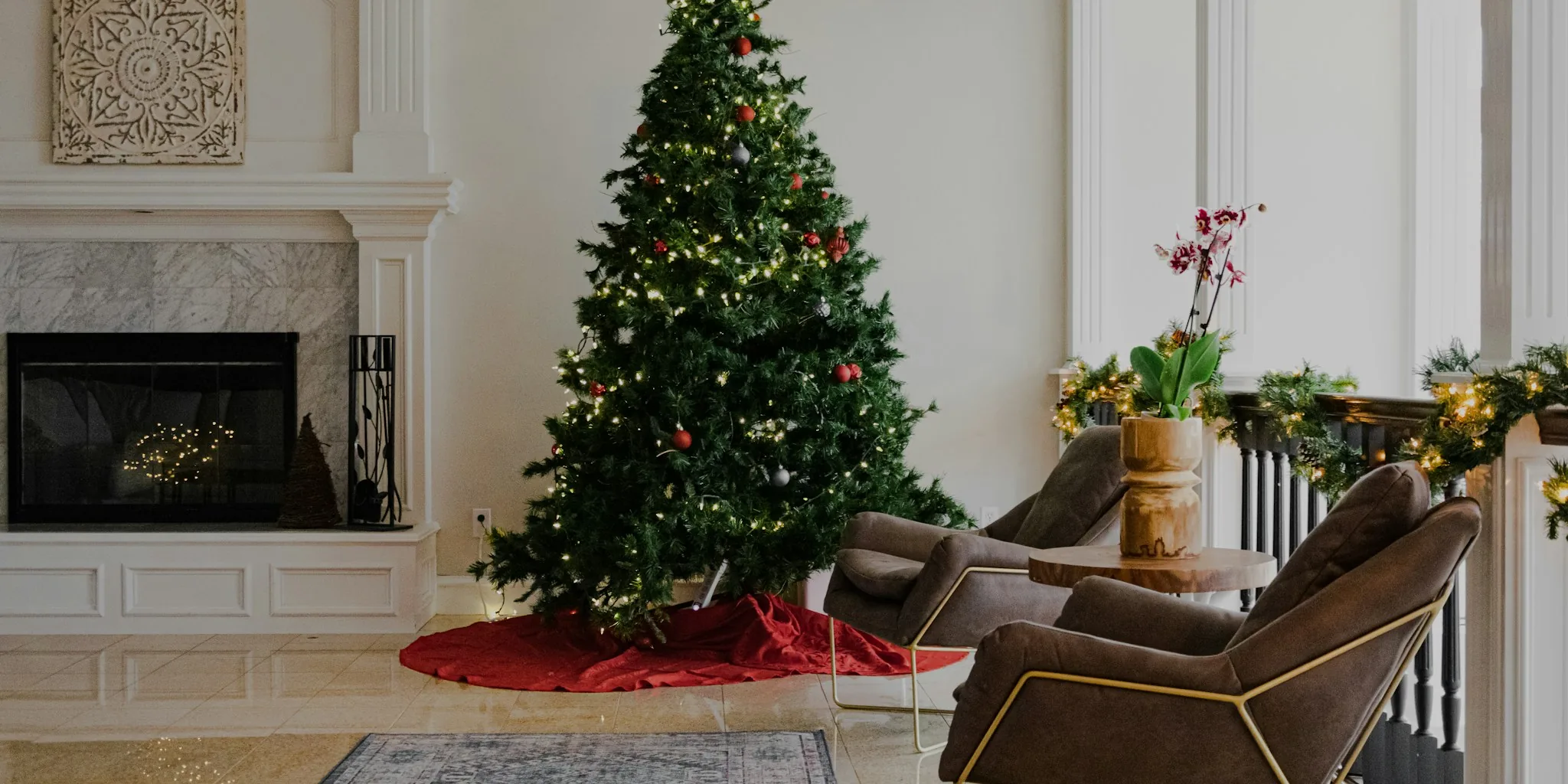

Holiday decorating costs keep climbing, and traditional cut Christmas trees end up in the trash every January. What if you could invest in a beautiful evergreen tree that decorates your home for the holidays and then thrives in your garden for decades? Living potted Christmas trees offer exactly that, turning a single-use purchase into a lasting outdoor asset.
Why Live Christmas Trees Make Smart Consumer Sense
The appeal is straightforward: instead of spending $75 to $100 on a tree you’ll discard, you can select a miniature evergreen built to last 50 years or more. After the holidays end, simply move your tree outdoors where it continues to grow and beautify your landscape. These compact varieties are specifically bred for container growing and thrive when given proper care. Whether you live in a cold northern climate or a warmer southern zone, there’s a living Christmas tree option suited to your area.
Dwarf Alberta Spruce: The Classic Choice
Dwarf Alberta spruce is the gold standard for living Christmas trees. These trees grow incredibly slowly, just 2 to 4 inches per year, maintaining a perfect pyramidal shape without much pruning. They reach about 10 feet tall at maturity, offering soft blue-green needles that smell wonderful when touched. The Rainbow’s End cultivar adds an extra visual treat by producing lemon-yellow new growth in summer. These trees thrive in USDA zones 2 through 8 and need minimal water; only irrigate when the top 3 inches of soil feel dry. They prefer well-draining acidic soil and full sun exposure.
Blue and Silver Foliage Options
If you want something more distinctive, dwarf blue spruce brings striking silver-blue needles that make your tree stand out from traditional green options. The naturally pyramidal shape requires little maintenance, and sturdy branches easily support heavy ornaments. However, the needles are prickly during decoration and lack the classic evergreen scent. This variety does equally well in zones 2 through 8 and reaches 3 to 5 feet tall at maturity.
For a softer appearance with aromatic appeal, Korean fir offers dark green needles with silvery undersides and an outstanding fresh forest scent with citrus notes. The dwarf varieties stay between 2 and 3 feet tall, while the distinctive Ice Breaker cultivar looks perpetually frost-covered. These trees prefer full sun to partial shade and thrive in zones 5 through 7 with moist, well-draining acidic soil.
Norway Spruce and Japanese Cedar
Dwarf Norway spruce delivers the most authentic Christmas tree experience with its classic triangular silhouette, dark green needles, and that signature rich holiday fragrance that fills rooms quickly. The drooping branch tips add graceful movement. The main drawback is needle drop in warm indoor conditions, so keep your tree in the coolest spot available. These trees work well in zones 3 through 7 and typically reach about 3 feet tall when sold as potted specimens. When shopping, look for cultivars like Pumila with its dense bushy shape or Pusch, which produces attractive tiny red cones in spring.
Japanese cedar varieties offer unique fine-textured foliage that’s pleasant to touch. Many compact cultivars display winter colors ranging from bronze to copper to bluish-green, adding seasonal interest even after the decorations come down. Keep potted Japanese cedars away from indoor heat sources and move them to a sheltered location for a few days before planting outdoors. These trees prefer zones 5 through 9 and need well-drained, fertile soil with consistent moisture during the growing season.
Lemon Cypress for Warm Climates
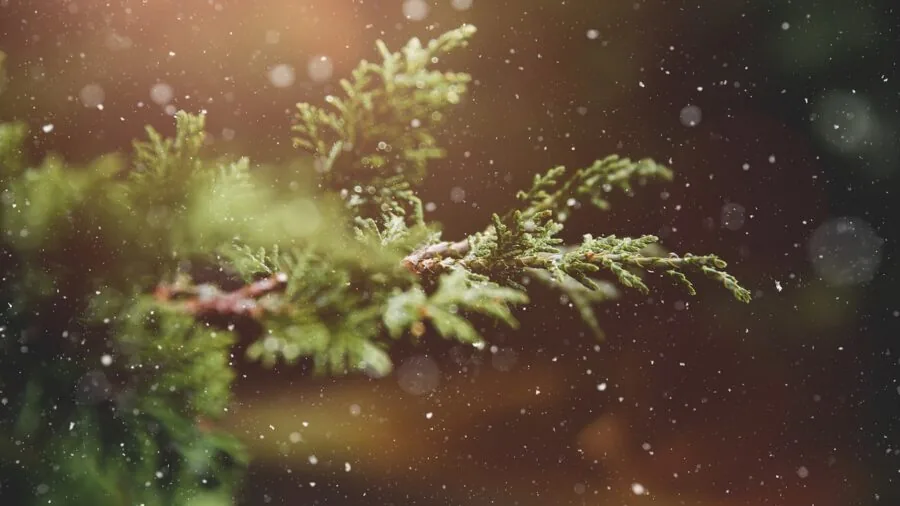
If you live in USDA zones 7 through 10, lemon cypress makes a charming alternative with its bright chartreuse foliage and fresh citrus scent. This tree’s natural pyramid shape and small stature make it instantly recognizable as a holiday plant. Use only lightweight ornaments and battery-operated fairy lights since the soft branches can’t handle heavy decorations or heat from traditional lights. These slow-growing trees reach about 10 feet tall and 3 feet wide at maturity, making them suitable for container living even after the holidays.
Caring for Your New Living Tree
Success with any living Christmas tree starts with selecting a variety appropriate for your climate zone. All these options prefer bright light and consistent soil moisture without waterlogging. After decorating season ends, transition your tree outdoors gradually, starting in a sheltered spot if moving from heated indoors to winter cold. Adding mulch around outdoor plantings helps regulate soil temperature and retain moisture. For long-term care guidance, consider learning about the best garden pruning techniques to maintain your tree’s shape over years of growth. You might also explore quality watering tools to ensure consistent irrigation during establishment.
By investing in a living Christmas tree now, you’re choosing sustainability and long-term value over a single holiday season. Your tree becomes part of your permanent garden landscape, growing more beautiful each year.
Write Your Review
No reviews yet. Be the first to share your experience!