

A Fast-Growing Sport Reshapes the Fitness Landscape
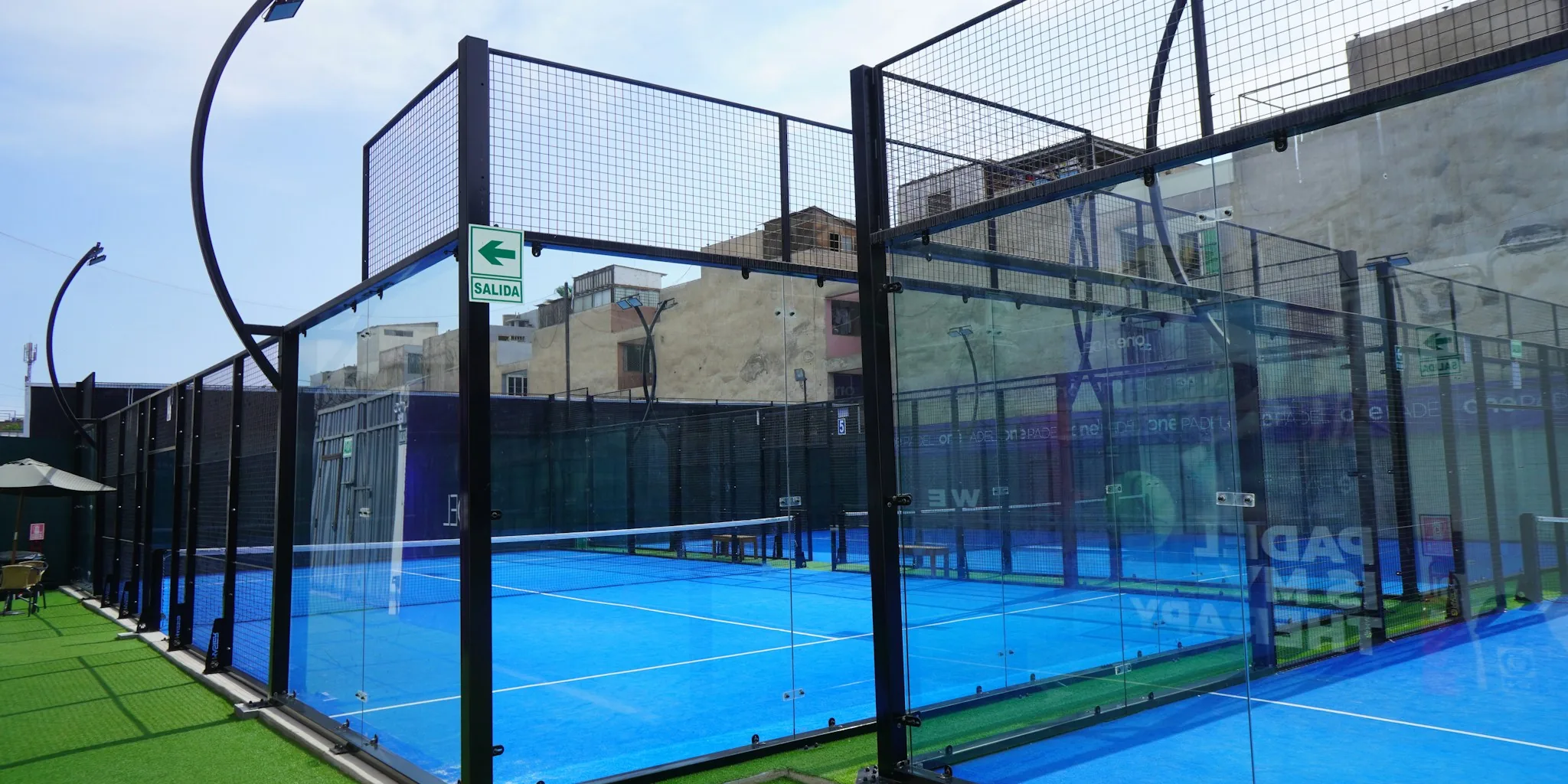
Over the past couple of years, padel has become one of the fastest-growing sports across the United States. If you haven’t encountered it yet, padel is a racquet sport that falls somewhere between tennis, racquetball, and squash, combining the appeal of all three into a single athletic experience. The sport is played in doubles on a smaller court, roughly three-quarters the size of a tennis court, with glass walls at the back and wire fencing on the sides. This combination of court design and sport mechanics creates an entirely different workout experience than traditional tennis.
Why Padel Delivers Serious Cardio Benefits
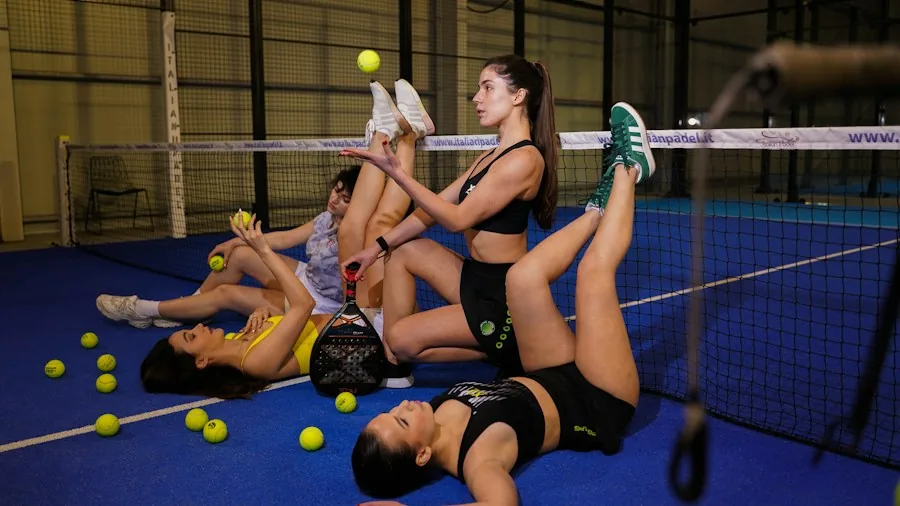
What makes padel so effective as a workout is the consistent movement it demands. Unlike some racquet sports that allow for slower pacing, padel requires constant sprinting, stopping, swinging, and pivoting. The ball travels faster off padel racquets, which are larger and heavier than pickleball equipment, meaning players stay engaged throughout matches. Even though it’s a doubles sport, the smaller court size actually increases the movement demands placed on each player rather than reducing them.
The cardiovascular benefits are significant. Padel combines both aerobic and anaerobic exercise. The aerobic component comes from continuous running and repositioning as you chase the ball across the court and wait for returns. Meanwhile, the anaerobic aspect develops through explosive, high-intensity movements required for each stroke. Research on similar racquet sports shows that this combination of exercise types strengthens cardiovascular health, improves brain function, and reduces the risk of cardiovascular disease. Players who engage in these types of workouts experience improved blood flow throughout the body and enhanced cognitive performance, making padel an excellent choice for both fitness and mental health.
The Social and Community Aspect Matters
Beyond the physical workout, padel offers something that many individual fitness routines lack: built-in social interaction. You’re always playing as part of a pair against another pair, which means you’re never exercising alone. Whether you’re playing with close friends or getting matched with strangers, the team dynamic creates accountability and enjoyment. This social component is particularly important for long-term health outcomes. Longevity research connected to racquet sports reveals a strong association between team play and increased lifespan. Scientists attribute this partly to the impact of social connection and community involvement. Activities requiring multiple participants show greater positive effects on lifespan compared to solo workouts, because social connection actively combats loneliness, which research has linked to higher risks of cognitive decline and dementia.
Getting Started with Padel: What Buyers Should Know
If you’re interested in trying padel, here’s what you need to prepare. First, you’ll need proper footwear that supports lateral movement and quick directional changes. Check out the best workout shoes for every budget and activity to find appropriate court shoes designed for racquet sports. You’ll also want workout shorts that allow unrestricted movement and manage sweat effectively, since padel workouts are genuinely demanding. Many players are surprised by how quickly they fatigue during their first match, similar to someone learning interval training on a treadmill. For tips on maximizing your cardio work, review strategies for smarter, stronger workouts.
The racquet itself is a unique piece of equipment. Padel racquets have a distinctive shape, solid hitting surface, and are heavier than pickleball paddles but lighter and more maneuverable than tennis racquets. They’re designed specifically for the fast-paced nature of the sport. Most recreation facilities that offer padel have rental racquets available, so you can try the sport before purchasing your own equipment.
The Practical Reality of Padel as Your Workout
Indoor padel courts are increasingly common across the country, making year-round play feasible even in colder climates. This accessibility has contributed to the sport’s rapid growth. For anyone who struggles to commit to traditional cardio routines, padel offers a compelling alternative because the fun factor is high. You’re not staring at a wall or grinding through miles. Instead, you’re focused on the game, your teammates, and the competition, which makes the intense cardiovascular demand feel less like work.
Whether padel becomes your primary fitness activity or supplements your existing routine, the sport checks multiple health boxes: serious cardio development, muscle engagement through power strokes, social connection, and genuine enjoyment. With courts continuing to open nationwide, now is an ideal time to explore this rapidly expanding fitness option and determine if it aligns with your workout goals.


Write Your Review
No reviews yet. Be the first to share your experience!